Saw Bocelli at the Capital One arena. Not my favorite type of music, but still very enjoyable. I particularly liked the Eric Carmen “All By Myself” cover one of the singers (not Bocelli) performed. Bocelli did a cover of “Can’t Help Falling in Love”. He also did his classic, Time to Say Goodbye. The show also featured a solo violinist who put on quite a show.
As for me, I would choose being sick over living in luxury, for being sick only harms the body, whereas luxury destroys both the body and the soul, causing weakness and incapacity in the body, and lack of control and cowardice in the soul. What’s more, luxury breeds injustice because it also breeds greediness. —MUSONIUS RUFUS, LECTURES, 20.95.14–17
Holiday, Ryan; Hanselman, Stephen. The Daily Stoic: 366 Meditations on Wisdom, Perseverance, and the Art of Living (p. 350). Penguin Publishing Group. Kindle Edition.
If an opinion contrary to your own makes you angry, that is a sign that you are subconsciously aware of having no good reason for thinking as you do. -Bertrand Russell
Great show. No Wilco songs, not surprisingly. Played mostly songs from Twight light Override. Two of his kids in the band. The rest were apparently friends with his kids from the neighborhood.
People aren’t in awe of your sharp mind? So be it. But you have many other qualities you can’t claim to have been deprived of at birth. Display then those qualities in your own power: honesty, dignity, endurance, chastity, contentment, frugality, kindness, freedom, persistence, avoiding gossip, and magnanimity. —MARCUS AURELIUS, MEDITATIONS, 5.5
Since habit is such a powerful influence, and we’re used to pursuing our impulses to gain and avoid outside our own choice, we should set a contrary habit against that, and where appearances are really slippery, use the counterforce of our training. —EPICTETUS, DISCOURSES, 3.12.6
I force my mind to concentrate, and keep it from straying to things outside itself; all outdoors may be bedlam, provided that there is no disturbance within. – Seneca
Saw James McMurty at the Birchmere, BettySoo was the opener. Soo did a duet with McMurty of Deportees which was worth the price of admission. Enjoyed the show a lot, McMurty is a talent.
“Whenever you take offense at someone’s wrongdoing, immediately turn to your own similar failings, such as seeing money as good, or pleasure, or a little fame—whatever form it takes. By thinking on this, you’ll quickly forget your anger, considering also what compels them—for what else could they do? Or, if you are able, remove their compulsion.” —MARCUS AURELIUS, MEDITATIONS, 10.30
Don’t talk about it, be about it. The whole point of Stoicism is what you do. It’s who you are. It’s the act of virtue, not the act of talking about virtue. Or reading about it. Or writing about it. It’s about embodying your rules and principles. Letting your actions speak for you. So, Marcus Aurelius reminded himself and now us, “Waste no more time talking about what a good man is like. Be one.” – Ryan Holiday
A few years ago, I was standing at the airport getting ready to board a flight when a man lowered his shoulder and bull-rushed his way through me. No eye contact. No apology. Just an attempted blindside sack without remorse or comment.
I felt my pulse spike.
What a jerk, I thought to myself. Who does that?
As I daydreamed about what I would say if he hadn’t fled so quickly I saw him again—at a gate next to mine — holding his daughter’s hand, tears on her face, dragging a doll and a backpack. The agent was closing the door and he was trying to get on.
Oh.
He wasn’t rude or a jerk. He was hurried, distracted, and maybe a little desperate and feeling guilty. Any parent knows the awful feeling of rushing a child faster than they can move. If you’ve been there, you know it’s not an experience you wish on someone.
And in an instant, I realized I had no idea what he was going through. I didn’t see his stress or fear. I just made a story up to fit what happened.
Psychologists have a name for this. It’s called the fundamental attribution error, and it’s a cognitive bias that influences our thoughts and behaviors.
It’s our tendency to over-attribute other people’s behavior to their personality or character, while giving ourselves a pass based on context or circumstance.
When someone else messes up, they’re lazy, unreliable, selfish. But when we mess up? It’s because we didn’t sleep well, or the kids were sick, or work was stressful.
We blame their flaws and excuse our obstacles.
It’s not just a mental quirk. Because of the fundamental attribution error, we’re too hard on others. It’s a wedge between us and better relationships. It kills empathy. It fuels resentment.
But it’s not just about your perspective, understanding, and relationship with others. The bigger issue might be that we’re also too easy on ourselves.
Your bias to excuse your own behaviors could let you off the hook from becoming better, and creates excuses that become blind spots and crutches in your own development.
That’s the side of the fundamental attribution error that needs more attention.
Because we’re all playing the game called life. And that means many days can feel overwhelming. So when you fall short, you reach for a story that softens the blow:
“I’m just not a morning person.” “I’m too busy to cook healthy.” “I can’t work out—I’m too out of shape to start.” “This week is crazy. I’ll start fresh Monday.”
And listen: some of our “excuses” are real and challenging. This is not an invitation to beat yourself up.
But there’s a line—and it’s blurry—between being kind to yourself and being dishonest. Between giving yourself grace and giving yourself excuses. Between needing support — but also needing a little tough love.
It’s something we discuss in the app: we believe empathy can destroy apathy. And, at the same time, you must increase awareness and accountability to create action and change.
When we constantly explain away our actions with context—but hold others accountable for theirs with judgment—we’re not only being unfair, we’re building a life where no one gets better. Not the people we could’ve supported. Not the version of ourselves we could’ve become.
Self-compassion is a must. You won’t improve by shaming yourself. And it’ll likely weaken your sense of self. But honesty is a must, too.
Because if you’re not willing to own your actions—if you’re always a victim of circumstance—you’ll never see how much power you actually have.
And if you never assume the best in others, you might miss the chance to be the one bright moment in someone’s hard day. The one who saw them clearly, and chose kindness instead of contempt.
The truth is: everyone has a reason. And everyone has a choice. The question is—what do you want to reinforce?
The dad in the airport didn’t need a stranger to get angry. He needed someone to give him space.
And sometimes, you don’t need another excuse. You need to call yourself up to something higher. To realize that even in the hardest moments, life isn’t out to get you. It’s giving you a challenge that you were built to overcome.
So the next time someone shows up in a way that disappoints you, pause. And the next time you show up in a way that disappoints yourself, pause and ask: What story am I telling? Is it helping me? Is it helping anyone else?
Because when you stop assuming the worst in others, and stop pretending the best in yourself, something beautiful happens.
You grow. You forgive. You see yourself so clearly that you can give yourself exactly what you need. And that’s when you become the kind of person who lifts others—without lowering your own standards. -AB
The art of not reading is a very important one. It consists in not taking an interest in whatever may be engaging the attention of the general public at any particular time. When some political or ecclesiastical pamphlet, or novel, or poem is making a great commotion, you should remember that he who writes for fools always finds a large public. – A precondition for reading good books is not reading bad ones: for life is short. –Arthur Schopenhauer
The first time I ran out on the field, I was in awe of the competition. But I knew if I stuck to my beliefs about preparation, I could overcome the doubts. Even my own. – Ichiro Suzuki
“Whenever disturbing news is delivered to you, bear in mind that no news can ever be relevant to your reasoned choice. Can anyone break news to you that your assumptions or desires are wrong? No way! But they can tell you someone died—even so, what is that to you?” —EPICTETUS, DISCOURSES, 3.18.1–2
There’s a difference between feeling tired and feeling empty. One probably needs sleep. The other may need purpose. Are you low on rest or low on meaning? – James Clear
A highly entertaining autobiography of near-great basketball player, Rex Chapman. Tells the tale of his extraordinary basketball talent, unusual drive, and his decent into gambling and drug addiction.
Stress and worry tend to be higher before you act. Without action, all you can do is worry. Once you begin, fear shrinks as you start to influence the outcome. – James Clear
On the the one hand, it was fun to read the stories behind Thompson’s great books. One the other, Steadman’s attempts to mimic Thompson’s Gonzo style were a little cringe inducing.
That which we persist in doing becomes easier to do, not that the nature of the thing has changed but that our power to do has increased. – Ralph Waldo Emerson
Circumstances are what deceive us—you must be discerning in them. We embrace evil before good. We desire the opposite of what we once desired. Our prayers are at war with our prayers, our plans with our plans. —SENECA, MORAL LETTERS, 45.6
“Life without a design is erratic. As soon as one is in place, principles become necessary. I think you’ll concede that nothing is more shameful than uncertain and wavering conduct, and beating a cowardly retreat. This will happen in all our affairs unless we remove the faults that seize and detain our spirits, preventing them from pushing forward and making an all-out effort.” —SENECA, MORAL LETTERS, 95.46
People seek retreats for themselves in the country, by the sea, or in the mountains. You are very much in the habit of yearning for those same things. But this is entirely the trait of a base person, when you can, at any moment, find such a retreat in yourself. For nowhere can you find a more peaceful and less busy retreat than in your own soul—especially if on close inspection it is filled with ease, which I say is nothing more than being well-ordered. Treat yourself often to this retreat and be renewed. —MARCUS AURELIUS, MEDITATIONS, 4.3.1
I truly wanted to learn more about Queen Elizabeth I and her reign, and was willing to take a summer to read this book.
Alas, this is a book of history written by an accountant. There is no intrigue, no battle, no war, no romance within that has not been reduced to a long, drawn-out bloodless pedantic bore.
If a person gave away your body to some passerby, you’d be furious. Yet you hand over your mind to anyone who comes along, so they may abuse you, leaving it disturbed and troubled—have you no shame in that? —EPICTETUS, ENCHIRIDION, 28
Usually, what you wish for doesn’t fall in your lap; it falls somewhere nearby, and you have to recognize it, stand up, and put in the time and work it takes to get to it. – Neil Strauss
Hope is a strange invention -A Patent of the Heart -
In unremitting action
Yet never wearing out -
Of this electric adjunct
Not anything is known
But it’s unique momentum
Embellish all we own -Fr1424
Every act of conscious learning requires the willingness to suffer an injury to one’s self-esteem. That is why young children, before they are aware of their own self-importance, learn so easily; and why older persons, especially if vain or important, cannot learn at all. – Thomas Szasz
Most of what we say and do is not necessary, and its omission would save both time and trouble. At every step, therefore, a man should ask himself, ‘Is this one of the things that are superfluous?’ Moreover, not idle actions only but even idle impressions ought to be suppressed; for the unnecessary action will not ensue. – Marcus Aurelius
Clear your mind and get a hold on yourself and, as when awakened from sleep and realizing it was only a bad dream upsetting you, wake up and see that what’s there is just like those dreams. – Marcus Aurelius
Went to see Forbert at the Jammin Java. Excellent as usual. The keyboardist was a nice addition. I particularly liked the songs he played accordion on. He finished the show with an excellent version of January, 1978.
Take a good hard look at people’s ruling principle, especially of the wise, what they run away from and what they seek out. —MARCUS AURELIUS, MEDITATIONS, 4.38
“From Rusticus . . . I learned to read carefully and not be satisfied with a rough understanding of the whole, and not to agree too quickly with those who have a lot to say about something.” —MARCUS AURELIUS, MEDITATIONS, 1.7.3
Too many of us are total strangers to ourselves. We seek busyness. We seek external markers. We seek out others to understand us, and demand that they hear what we’re saying. Meanwhile, we ignore the voice inside. The one that is whispering to us so many important lessons. The one that is shouting so many warnings. – Ryan Holiday
If you wish to understand the present moment, you’ll gain more clarity by studying the past than you will from following the breathless news cycle. Put distance between you and the attention merchants. Read philosophy. Read history. Read biographies. Study psychology. Study the patterns of humanity. – Ryan Holiday
I will keep constant watch over myself and—most usefully—will put each day up for review. For this is what makes us evil—that none of us looks back upon our own lives. We reflect upon only that which we are about to do. And yet our plans for the future descend from the past. – SENECA, MORAL LETTERS, 83.2
I often find myself thinking that Keynes must be one of the most remarkable men that ever lived – the quick logic, the birdlike swoop of intuition, the vivid fancy, the wide vision, above all the incomparable sense of the fitness of words, all combine to make something several degrees beyond the limit of ordinary human achievement. – Lionel Robbins
The life of the economist John Maynard Keynes. Sort of a combo of the life of Keynes, and more importantly, the life of his ideas. Not the easiest read, but a good read.
Pass through this brief patch of time in harmony with nature, and come to your final resting place gracefully, just as a ripened olive might drop, praising the earth that nourished it and grateful to the tree that gave it growth.” —MARCUS AURELIUS, MEDITATIONS, 4.48.2
Tranquility can’t be grasped except by those who have reached an unwavering and firm power of judgment – the rest constantly fall and rise in their decisions, wavering in a state of alternately rejecting and accepting things. What is the cause of this back and forth? It’s because nothing is clear and they rely on the most uncertain guide – common opinion. – Seneca
Went to see Teng. Got there really early, so got seats up close. She has changed a lot since Warm Strangers, the older album I was familiar with. Use a lot of computer thingies now, which actually, wasn’t a bad thing. Really good show. I’d see her again.
You must linger among a limited number of master-thinkers, and digest their works, if you would derive ideas which shall win firm hold in your mind. – Seneca
In today’s world, some may look at Jimmy Carter and see a man of a bygone era — with honesty and character, faith and humility. But I don’t believe it’s a bygone era. I see a man not only of our times, but for all times. Someone who embodies the most fundamental human values we can never let slip away. … We may never see his like again. But we would all do well to try to be a little more like Jimmy Carter. – Joe Biden
We all want progress, but if you’re on the wrong road, progress means doing an about-turn and walking back to the right road; in that case, the man who turns back soonest is the most progressive. – C.S. Lewis
Oh my. I thought it would be at least entertaining. Not. At one point I started thinking that it was a kid’s movie, and looked around at the audience. Not a kid in sight. I guess the demand for very stupid movies for adults is high.
Went to see a new play. Data, at Arena Stage, about the ethical dilemma a brilliant data scientist faces. Is it ethical to create an algorithm that automatically decides if a person gets a visa or not? Or is the software a good thing, shortening the wait time for a decision.
I enjoyed the play. Although the authored tried to add some humor, it was still a lot. I would definitely recommend it though.
The trees are coming into leaf
Like something almost being said;
The recent buds relax and spread,
Their greenness is a kind of grief.
Is it that they are born again
And we grow old? No, they die too,
Their yearly trick of looking new
Is written down in rings of grain.
Yet still the unresting castles thresh
In fullgrown thickness every May.
Last year is dead, they seem to say,
Begin afresh, afresh, afresh.
Marc is a pretentious name. Anatomy of a Song is a good book though. Consist of short antidotes about 45 mostly classic rock-n-roll songs, mostly the sixties and seventies. Lots of short interviews with the songwriters, producers, musicians. Two thumbs-up. Entertaining.
People say that what we’re all seeking is a meaning for life. I don’t think that’s what we’re really seeking. I think that what we’re seeking is an experience of being alive – Joseph Campbell
If you look for truth, you may find comfort in the end; if you look for comfort you will not get either comfort or truth only soft soap and wishful thinking to begin, and in the end, despair. ― CS Lewis
A thoughtful look at how the Stoic philosophy can be used by everyday people in everyday life. I would guess the book is criticized for oversimplifying both the Stoic philosophy and what it takes to overcome life’s many obstacles. And there’s probably some truth to that. Still, I think the book is more than worthwhile read.
I really liked this book about my hero, Jimmy Carter. Yes, it’s another bio of the great man, but is unique in it’s focus on the evangelical angle. Balmar tries to understand how the evangelical movement, the Moral Majority/Religious Right, sought to bring Ronald Reagan to power as a result of their (ridiculous) beef with the IRS, and their strategy of using abortion as a red flag to rile up their poorly educated followers. A very effective strategy that we are still paying for to this day. God help us.
Went with kids to see the tournament. Very hot, but didn’t rain for a change. Saw lots of top players, Korda, Tiafoe, Jordan Thompson, Ben Shelton, others. Every match we saw was competitive.
Section 13 is good, sun at back. The parking was atrocious. One of the lots they list on the web site closes at 10:30 pm. The matches run much later than that. Great. The new route the shuttle buses take seems longer than before. Food is wildly overpriced. Not a customer friendly event at all.
Story of Polish people driven from their homes by the Nazis during WWII. They travel first to Russia, then exiled to gulags in Siberia. Some ended up as refugees in Iran, then finally to Palestine.
I’ve missed more than 9,000 shots in my career. I’ve lost almost 300 games. Twenty-six times I’ve been trusted to take the game-winning shot and missed. I’ve failed over and over and over again in my life. And that is why I succeed. – Michael Jordan
Shocking tale of a murder perpetrated by a couple of brothers, both Mormons who felt that “god” commanded them to do it. Book give a good sick Mormon history.
Went with D. to see Wilco at Wolf Trap. Good show, a really tight band. The opening act, Cut Worms, was also good. They were kind of a 60s pop throwback. Enjoyable.
Went to see Maggie Rogers on Father’s Day with D. Good show, although I wish I had been more familiar with her songs. I tried listening to the new album a lot before the show, but I guess not enough time to sink in.
I particularly liked her solo piano version of I Still Do, and also Don’t Forget Me, which I think it a particularly good song.
Setlist
It Was Coming All Along
Drunk
So Sick of Dreaming(lyric change “Knicks” to “Orioles”)
The Kill
The Knife
Dog Years
Love You for a Long Time
Want Want(Gov. Wes Moore came on stage and proclaimed June 16, 2024 “Maggie Rogers Day” in Maryland)
Overnight
On & On & On
If Now Was Then
I Still Do
Alaska(alternate arrangement, slow rock version)
Fallingwater
Light On
That’s Where I Am
Encore:
Don’t Forget Me
Over the Rainbow(Harold Arlen cover) (dedicated his favorite song to her Dad on Father’s Day)
Moehringer was the ghostwriter for Agassi’s book, Open. Since he told such a good story with that, I thought I’d give his own autobiography a try. I thought it was a little, ok a lot, slow.
Certainly one of the best autobiographies I have ever read. “Open” is a great title. He’s is so open about his shortcomings and issues. Really remarkable. The ghostwriter – JR Moehringer – really made it come alive.
After reading this, I understand why the Alt-Right is always going on about Soros, Globalists, and “The Illuminate.” All that is just the continuation of hundreds of years of Jewish conspiracy theory. Nothing new, just the continuation of ancient craziness.
In the years after World War II, Georgetown’s leafy streets were home to an unlikely group of Cold Warriors who helped shape American strategy. This coterie of affluent, well-educated, and connected civilians guided the country, for better and worse, from the Marshall Plan through McCarthyism, Watergate, and Vietnam. The Georgetown set included Phil and Kay Graham, husband-and-wife publishers of The Washington Post; Joe and Stewart Alsop, odd-couple brothers who were among the country’s premier political pundits; Frank Wisner, a driven, manic-depressive lawyer in charge of CIA covert operations; and a host of other diplomats, spies, and scholars. Gregg Herken gives us intimate portraits of these dedicated and talented, if deeply flawed, individuals, who navigated the Cold War years (often over cocktails and dinner) with very real consequences reaching into the present day. Throughout, he illuminates the drama and fascination of that noble, congenial, curious old world,” in Joe Alsop’s words, bringing this remarkable roster of men and women not only out into the open but vividly to life.
by Emily Dickenson

Dear March - Come in -
How glad I am -
I hoped for you before -
Put down your Hat -
You must have walked -
How out of Breath you are -
Dear March, how are you, and the Rest -
Did you leave Nature well -
Oh March, Come right up stairs with me -
I have so much to tell -

I got your Letter, and the Birds -
The Maples never knew that you were coming -
I declare - how Red their Faces grew -
But March, forgive me -
All those Hills you left for me to Hue -
There was no Purple suitable -
You took it all with you -

Who knocks? That April -
Lock the Door -
I will not be pursued -
He stayed away a Year to call
When I am occupied -
But trifles look so trivial
As soon as you have come
Pass through this brief patch of time in harmony with nature, and come to your final resting place gracefully, just as a ripened olive might drop, praising the earth that nourished it and grateful to the tree that gave it growth. —MARCUS AURELIUS, MEDITATIONS, 4.48
We must give up many things to which we are addicted, considering them to be good. Otherwise, courage will vanish, which should continually test itself. Greatness of soul will be lost, which can’t stand out unless it disdains as petty what the mob regards as most desirable. —SENECA, MORAL LETTERS, 74.12b–13
Well done movie. Thoughtful, well paced. Kept me interested the entire time.
Directed by Ilker Çatak, who also cowrote it with Johannes Duncker. Starring Leonie Benesch.
It’s probably best to think of the film as a parable of sorts, one where an everyday institution is presented realistically, with correct procedural details, but also stands in for a larger system or set of ideals, like the jury room in “Twelve Angry Men” or the ship in a mutiny story. The film handles national, racial and class resentments as subtly as it handles everything else.
Nora and Hae Sung, two deeply connected childhood friends, are wrested apart after Nora’s family emigrates from South Korea. Twenty years later, they are reunited for one fateful week as they confront notions of love and destiny.
We took a quick trip to NYC to see The Neil Diamond Musical: A Beautiful Noise at the Broadhurst Theatre. We took Amtrak there. Comfortable ride, about four hours. Much better than flying. Stayed in the Marriot Marquis, right in Time Square. Nice hotel, seemed to be recently renovated. Only compliant was the walls seemed a little thin, could hear our neighbors pretty easily. We could easily walk from the Penn Station, to the show, and to the hotel. Very convenient.
The show exceeded my expectations. I assumed it would be just a bunch of song and dance numbers, and there was a lot of that. But they also attempted, successfully it seemed to me, to make sense of Diamond’s life. The structure the story around a series of conversations between Diamond and his therapist. They used the line from I Am I Said as the story’s theme:
Did you ever read about a frog Who dreamed of bein’ a king And then became one
Diamond felt himself a frog unless he was performing, when he became a king. When the performance ended, he turned back into the frog. This relation helps Diamond come to terms with his life.
The actor that played Diamond as a young man was especially good. Not did he look like Diamond (although better looking), he somehow managed to sound exactly like him. The performance was really spot on.
‘Showing Up’ Review: Making Art in All Its Everyday Glory https://www.nytimes.com/2023/04/06/movies/showing-up-review-michelle-williams.html?smid=nytcore-android-share
If if we are merely loquacious and loud talkers, then we can afford to stand very near together, check by jail, and feel each other’s breath: but if we speak reservedly and thoughtfully, we want to be farther apart, that all animal heat and moisture may have a chance to evaporate. – Henry David Thoreau
Watch your thoughts, they become your words; watch your words, they become your actions; watch your actions, they become your habits; watch your habits, they become your character; watch your character, it becomes your destiny. ― Lao Tzu
A short history of the intellectual capital of the USA, Concord Massachusetts when Emerson, Thoreau, Hawthorne, Louisa Alcott, and others made it their home.
Cheever have a light and breeze style, makes for easy reading. Enjoyed this book, although I don’t think anybody would take this book to be the definitively bio of the time. But it was a fun high-level overview.
A so-so biography of George Harrison. While it’s a brisk and engaging read, it also superficial. I didn’t find the author very insightful in regard to the Harrison the artist. It reads more like a chronological summary of newspaper articles and books about Harrison and the Beatles.
The Genius of Steven Wright: 1 – I’d kill for a Nobel Peace Prize. 2 – Borrow money from pessimists — they don’t expect it back. 3 – Half the people you know are below average. 4 – 99% of lawyers give the rest a bad name. 5 – 82.7% of all statistics are made up on the spot. 6 – A conscience is what hurts when all your other parts feel so good. 7 – A clear conscience is usually the sign of a bad memory. 8 – If you want the rainbow, you got to put up with the rain. 9 – All those who believe in psycho kinesis, raise my hand. 10 – The early bird may get the worm, but the second mouse gets the cheese. 11 – I almost had a psychic girlfriend, ….. But she left me before we met. 12 – OK, so what’s the speed of dark? 13 – How do you tell when you’re out of invisible ink? 14 – If everything seems to be going well, you have obviously overlooked something. 15 – Depression is merely anger without enthusiasm. 16 – When everything is coming your way, you’re in the wrong lane. 17 – Ambition is a poor excuse for not having enough sense to be lazy. 18 – Hard work pays off in the future; laziness pays off now. 19 – I intend to live forever … So far, so good. 20 – If Barbie is so popular, why do you have to buy her friends? 21 – Eagles may soar, but weasels don’t get sucked into jet engines. 22 – What happens if you get scared half to death twice? 23 – My mechanic told me, “I couldn’t repair your brakes, so I made your horn louder.” 24 – Why do psychics have to ask you for your name? 25 – If at first you don’t succeed, destroy all evidence that you tried. 26 – A conclusion is the place where you got tired of thinking. 27 – Experience is something you don’t get until just after you need it. 28 – The hardness of the butter is proportional to the softness of the bread. 29 – To steal ideas from one person is plagiarism; to steal from many is research. 30 – The problem with the gene pool is that there is no lifeguard. 31 – The sooner you fall behind, the more time you’ll have to catch up. 32 – The colder the x-ray table, the more of your body is required to be on it. 33 – Everyone has a photographic memory; some just don’t have film. 34 – If at first you don’t succeed, skydiving is not for you. 35 – If your car could travel at the speed of light, would your headlights work.
Do not pray for easy lives. Pray to be stronger men! Do not pray for tasks equal to your powers. Pray for powers equal to your tasks. – John F. Kennedy
Besides the Autumn poets sing
A few prosaic days
A little this side of the snow
And that side of the Haze -

A few incisive mornings -
A few Ascetic eves -
Gone - Mr Bryant’s “Golden Rod” -
And Mr Thomson’s “sheaves.

Still, is the bustle in the Brook -
Sealed are the spicy valves -
Mesmeric fingers softly touch
The eyes of many Elves -

Perhaps a squirrel may remain -
My sentiments to share -
Grant me, Oh Lord, a sunny mind -
Thy windy will to bear!
Went to the Museum of Asian Art, Freer Gallery, to see this film about an Iranian painter whose live and work got caught up in the Iranian Revolution. Excellent. The painter and the co-director (his daughter) were there to answer questions.
“People are frugal in guarding their personal property; but as soon as it comes to squandering time they are most wasteful of the one thing in which it is right to be stingy.” — Seneca (4 BCE – 65 CE)
Tell all the truth but tell it slant —
Success in Circuit lies
Too bright for our infirm Delight
The Truth's superb surprise
As Lightning to the Children eased
With explanation kind
The Truth must dazzle gradually
Or every man be blind —
Went to see Moulin Rouge at the Kennedy Center. It was kind of entertaining but also predictable. The way they told the story using popular songs was clever.
Miss Julia assigned Carter warranty’s to read in fifth grade
The Carter’s got electricity in 1935 and his father purchased a windmill with an elevated water tank and pipes so they could have running water period
With Earl’s encouragement, Jimmy learned to be a tireless entrepreneur when he was 6 years old period before long he earned more than many grown men in the area, who lived on less than $1 a day period Jimmy picked peanuts off the Vine and stack them in his little wagon, wash them, and soak them overnight period at the 4 o’clock he rose to boil the peanuts and fill 20 paper bags with a 1/2 pound each period then he pulled the wagon down the railroad bed 2 miles to plant to sell his wares-5 cents a bag-out of the wicker basket on Main Street period some of the men at the filling station like to eat their penis with their dopes, which is what cokes were caught then called period then he began learning about the world beyond his family the black workers killed for Quote impudence boarding on assault closePage 47
And somewhere around 86, and already wilful Jimmy decided he wanted to be not a farmer like his father or one of the other ambitious ambitions of kids as age, railroad engineer, cowboy, FBI agent, John Dillinger-but to go to Annapolis to become a naval officer the discipline, drive, and exceptionally broad horizons he developed and the navy would make everything in his future possible
Jimmy enrolled at Georgia Southwestern college a 2 year junior college in America’s
In early 1942 Congressman pace refused once again to recommend him for the Naval Academy period this time, though, Mr. Earl stubbornly refused to leave paces America’s porch until he had a more definitive answer about his boy’s future pace promised an appointment the following Spring if Jimmy took math and science classes that weren’t available at George’s Southwestern period that led to a year at Georgia Tech and acceptance to the naval reserves officers training corps periodPage 51
Carter entered Annapolis in 1943 Roosevelt had signed it order saying that all midship and must complete their studies in 3 years instead of 4 because of the war Invictus invictus written by English poet William Ernest Henley one of his favorite points
Page 55 story about the incident at Annapolis when Carter refused to sing marching through Georgia even though he was punished Extensively by the upper classroom
Concerning the first black to come to Annapolis, page 57 period Carter did the right thing, but more quietly period the price was higher for him because he was a Georgian period he was treated as if he were a trader for his lining up with brown supporters, a classmate, Walter moiley, recalled
Carter graduated number 60 out of 820
Separation of church and state was the Central tenant of Roger Miller Baptist church
Williams thought church and state should be separate to preserve integrity of the church. Unlike Thomas Jefferson who would follow, Williams did not wish to separate church and state primarily to preserve the peace and purity of the state but rather to preserve the peace and integrity of the church.
When the Georgia General Assembly was in session, Jimmy bumped at a cheap hotel and rose at 430 to begin preparing period he arrived at the gospel before 7-earlier than any colleague-and he worked 5 days when most of the rest put in 4 period page 122
Carter took a speed reading class at Georgia Southwestern to help him fulfill what he ruefully called his foolish promise to read every bill in his entirety before voting on it-a daunting task when about 12:00 bills reach the floor every year period page 122
The following weekend, Carter recalled being sickened at the George Georgia Tech football game when some fans booed during a moment of silence for the slaying president Kennedy
When news of JFK’s assassination was announced in chips classroom at plains high school, the teacher said good and the teeth students supplied in period chip picked up a chair and flew it at the flung it in the teacher’s direction period and the principal’s office, Mr. Sheffield expressed his sympathies over the president’s death and sent him home, where Jimmy and Rosen declined to punish him periodPage 126
Jimmy reminded the congregation that black worshippers had previously been admitted to the church for funerals-including that of his father-and other special occasions period this is not my house: this is not your house he said period here and they could keep anyout of their house if they wanted period but I for one will never stand in the door of this church and keep anyone out period page 129
Carter jumped into the race just 12 weeks before the September democratic primary period from the start, he ran a discipline, ideologically hazy campaign focused on integrity and reform-a pattern for the future period but there were signs of his inner progress of struggling to get out period without drawing attention to it, he accompanied a bit in black churches-one of the first times in a white statewide candidate in Georgia did so period page 134
Little Lillian Carter joined the Peace Corps when she was 67 years old it was sent to India a village near Bombay page 134
Carter came to believe that no other human being had affected his career more profoundly we’re beneficially than Hamilton Jordan period page 136
Lester Maddox A Democrat and a major racist, ended up winning the raceA Democrat and a major racist, ended up winning the race.
Carter called the book Ryan hold nibura on politics his political Bible period page 140
Carter felt he couldn’t easily do missionary work in Georgia, where he had become well known, so in May 1968 he joined a lay mission team for 2 weeks in lochaven, Pennsylvania, an industrial town in the mountains period page 1 41 3Page 143
When the Carter’s worked as a team-as they would for the rest of their lives-they also embodied the ideals of rosalynn’s original creed: methodism, inspired by founder John Wesley’s admonition to quote do all the good you can, to all the people you can, as long as you as long as you as long as ever you can period closeQuote page 146
David rabhan he drove quarter to campaign appearances in his cesina 310 twin-engine pro plane.
He once turned the fuel line switch off while Carter was driving as a prank period.
Carter never had a campaign Manager. Jodie Powell started as his driver Carter would leave him if he got up too late. Was expelled from the Air Force Academy for cheating. He was a doctorial candidate at Emery.
I eventually became his press secretary.
During his campaign for governor Carter offered what would later be caught dogwhistles: code words such as George’s heritage law and order local control and respect for government Wallace that sounded innocuous on the surface of its signal to white voters that he was with them on racial issues he was an early master of the practice page 154
Carl Sanders law firm represented big and unpopular corporate interest, including Georgia power, and he had personal stakes in several of them period Carter picked up on a republican gym-cufflinks Carl-and it’s stuck, though Sanders didn’t wear shirts that needed them page 157
Carter curried favor of Harrison Griffin to the biggest segregationist in Georgia page 162
Copied above already
Culver kid was Carter’s adversary as a governor
Being governor brought out the exacting engineer in Carter-and the righteous Warrior period he would prove to be the greatest environmentalist governor in the country, but not before ALA80 many Georgians with his bold plan to overhaul state government period both experiences pre sauge what he would do-and what would be done to him-as president page 177
His nickname was jungle Jimmy
Carter was talking about carbon dioxide levels rising way back in 1972 nobody else was paying in a sectionAttention
Carter pushed through a gigantic reorganization of state government in Georgia it saved them millions of dollars for example they could now issue general obligation bonds which save them a lot of in interest costs page 182
The chattahoochie river became one of the Carter’s greatest legacies he protected at page 183
Carter was one of the first to take on the army corps of engineers because he thought they were building way too many dams that were unnecessary page 184
A Congressman wanted to build a dam on the Flint river period before making a decision-Carter Canoe down the river twice and made a point of learning all about the indigenous showbass otter blocks muskrat beaver and Bobcat that would be affected by the dam he devoted more than a 100 hours of his time to meeting with dozens of groups on both sides for concrete manufacturers to fly fishermenEdit a video again
Carter passed a bill that said all 57 miles of the chat to tahuga river could not be d*****Page 186
Carter would sometimes ride around the state please and they would pull cars over that were speeding above the 55 miles an hour limit so that Carter could personally lecture them p 188
Carter joined the anybody but govern effort saying that government would lose every state in the South
For a while Pat Cadell would be Carter’s advisor he would go on to coach Gary Hart Joe Biden Ross perro and eventually Donald Trump on how to appeal to disaffected voters page 197
When Jimmy told his mother he was preparing to run for president, lily and replied, president of what? Page 199
Carter rewrote the speech he gave for the famous law day because he thought the original one he had sounded too much like Kennedy’s period so we rerouted on the spot period
The law day speech was nevertheless an instant classic, and for the next 2 years, Thompson played the 45 minute tape dozens of times for people who would look at me like I was finally over the hump into terminal brain damage period of course people listen anyway because a hip, often cynical celebrity journalist was telling them that this obscure governor had something important to say period it’s hard to exaggerate the boost Thompson gave Carter with the young reporters he would need to take him seriously as a presidential candidate period page 208
Jimmy Carter was a famously Unlucky president period but as a presidential candidate, he caught many breaks period
The first was that the smiling Sunday school teacher seemed perfect in a doubt to the scowling quote who had just left office period
Outsider themes were in the air in the mid-seventies period
Billy Carter said my mother went into the Peace Corps when she was 68, my one sister is a motorcycle freak, my other sister is a holy roller evangelist, and my brother is running for president period I’m the only same 1 in the family period page 217
Hamilton Jordan believe the candidate’s secret weapon was the variety of his life experiences he could talk commodity prices with I will farmer’s, d*** construction with New Hampshire environmentalist, navy traditions with veterans, and the teaching of Jesus with the rule Bible belt democrats women’s groups thrilled to the idea of miscellaneous being freed by the early death of her husband to build her own life of adventure, while businessmen were impressed by Carter’s hard-nosed management of his company Miami Cubans cheered when he explained to them emphasis in Spanish, with a Southern accent) how is human right policy could end Castro’s domination of Cuba, and blacks loved hearing him use the cadence of a preacher to confess that he had lived his early life in Central segregation period page 218
Which of them noticed that Carter did especially well with children, who would rush towards him in a way that reporters had never seen while covering other politicians it wasn’t that Carter treated children as adults but that he treated both adults and children as children enveloping them with a smile and his message of goodness and love page 219
Ford said that dropping Rockefeller from the ticket was the worst mistake of his presidency page 228
Biden was the first senator to back Jimmy Carter page 233
He’s not a politician Charles kerbo reminded other aids in Atlanta as president he will do what he thinks is right, whether it’s popular or not, and if elected, he may be a one term president period page 245
Carter quoted Dylan during his democratic nomination acceptance speech We have an America that in Bob Dylan’s phrase is busy being born not busy dying
Carter said quote I feel like I have only one life to live-I feel God wants me to do my best I can with it period and that’s quite often my major prayer color let me live my life so that it will be meaningful period and I enjoy tackling difficult problems, and solving them, and the meticulous organization of a complicated effort period close Page 259
This was becoming known in theological and socio philosophical circles as the servant leader model, though a humble self as approach to social change was not normally associated with those at the very top period page 259
Carter aired the first Ever political TV ad in Spanish page 262
Today the playboy interview would likely be a 1 day story: even then, a more Teflon candidate like ground rag and might have let it slide right off him period but Carter had a Velcro quality to him the result of his righteousness and his inability to develop a casual disarming humor that so often accompanies political success the playboy embrogalio was the first was serious web search as Frank Carter to a smaller than life character and, as Charles KimKimberly feared, affects a semi permanent kick me sign to his posterior page 267
Over the summer Carter had bonded with James Dickey, the celebrated American poet Carter had been amused in 1972 and dickey, a Georgia native, showed up drunk to the first screening of deliverance now dickey became virtually the only one who’s debated vice he would welcome page 273
Martin Luther king’s father helped Carter a lot. George Wallace told his supporters it was okay to vote for Carter towards the very end of the campaign joso helped page 277
Carter was the first President elected from the deep South since Zachary Taylor in 1848 and the first governor elected President since FDR in 1932 page 280
In the end, Jimmy Carter won the election but not the mandate, James Naughton of The New York Times wrote on election night already signaling that Carter’s ambitious agenda might have trouble page 280
The democratic majority in 1977 was undermined by an almost total absence of party line votes democrats were divided between old-fashioned northern new deal great society liberals, Southern conservatives who might as well have been republican’s, and Ramon bunches young democratic watergate babies elected in 1974 who disliked the stuffy emphasis on seniority and took orders from no 1 page 2 Carter tried something called cabinet government which disempowered the White House staff which had grown arrogant in recent administrations and favor giving cabinet secretaries more autonomy and freedom to craft policy that backfired though since Carter got all the blame and none of the credit page chto 8786
Car loaded this senate White House f***
Carter loaded his senior White House staff with young Georgians, and envisioned them as spokes on a wheel all with equal direct access to the president the center can you get it the same thing terrible page 288
Carter gave Mondale a big suite just down the hall from the oval office and gave him lots of responsibilities page 289
Weirdly he selected Theodore swordson JFK speech writer to be the CIA director it wasn’t a good choice sorisson was a conscience objector during World War 2
Carter started the practice of the president releasing his taxes which everyone did until Trump
Carter put all his assets in a blind trust
Carter walked up Pennsylvania Avenue during the ignore after the inauguration
On his 1st day in office Carter started working towards pardoning all the Vietnam draft Dodgers
Carter’s many bills on energy and the environment had a profound cumulative impact on life in the 21st century his policies sharply reduce dependencies on foreign oil, began the transition to green energy, mandated energy efficiency, and move across a broad front to clean up the environment page 299
But austerity is a political loser for president’s: all pain for largely invisible gain and energy conservation is expensively unpleasant because it cramps everyone’s lifestyle Carter knew this but remained undaunted it’s a b**** I know why no other President was willing to tackle it he told his family towards the end of his term page 300
Dane acroyd played Carter as a president so frighteningly competent he could help callers on everything from fixing high-speed postal lettuce order to surviving a bad LSD trip page 302
Carter thought there should be a palestinian homeland at the very beginning of his term
He knew more about say the endangered species act and its impact on drilling in dams that almost anyone he could have hired, and he brought that knowledge to bear during the Sprint towards a comprehensive energy plan page 3 or 3
Quote tonight I want to have an unpleasant talk with you about a problem unprecedented in our history with the exception of preventing war, this is the greatest challenge that our country will face in our lifetimes the energy crisis has not yet overwhelmed us, but it will if we do not act quickly page 3 or 3
Carter’s new natural gas regulatory structure encouraged both production and conservation would help make the United States Annette energy exporter in the 21 st century page 307
Carter and portpose the first federal fuel economy standards for passenger vehicles
It wasn’t until the 1977 clean air act amendments pushed hard by Carter enforced by UPA minister Doug costle the air quality in the United States began to show astonishing improvement page 308
Ypa required for the first time companies to list all toxic substances in their product
They ban Flora flora Flora and carvines in the air sauce helped produce reduce props with ozone they banned lead paintThey imposed market-based emissions trading so-called cap-and-trade which event eliminated acid rain in United States
The clean water act in 1977 helped in the air where rivers caught fire
Hello m***********
Rosalind’s popularity at least partially compensated for some of Jimmy shortcomings she didn’t exaggerate, correct grammar, or forget to say thank you and by jimmy’s automation her formidable political instincts were superior to his own Roselyn had the full respect of the president’s aides in part because they would ask her to keep a political message to her husband-usually with embracing those of realism-that he might otherwise dismiss she was known as steel Magnolia page 310
Roselyn attended cabinet meetings
Rosen focused on ages of mental health Refugees from Vietnam and Cambodia maybe Thailand And vaccinations
The vaccination program was a stunning success within 3 years this US center for disease control reported that the incident amuses bombs rebella and other communicable diseases among school aid children was it at or near record low levels page 312
He appointed GinsburgShe said people love and ask me why did you always want to be a judge my answer is that it just wasn’t in the realm of the possible until Jimmy Carter became President and was determined to draw on the talent of all the people, not just some of them page 314
Carter was Amy’s nanny’s parole officer while they were in the White House weird
Supreme Court Justice Oliver Wendell homes fables described FDR as having a second class intellect in the first class temperament Jimmy Carter was reversed with the first class intellect in a second class temperament page 319
Personalized, Carter continued to be tight as bark on a tree as his old friend dot Padgett put it as President, Carter was still wearing suits he bought for less than $100 from a friend in former Georgia state senator who specialized in making clothes for JC Penney and other department stores 326
Carter later admitted that he alienated too many members of Congress page 328
Carter told Raff’s shoe he should continue to call him Jimmy, but rafshun couldn’t bring himself to address the President that way-except once when Carter gave him a hard time for sending his kids to private school, raffshun shot back f*** y** Jimmy Bob Stewart didn’t Miss A beak it’s f*** y** Mr. President Carter loved it page 330
Having been elected by a president fed up with artifice, Carter never seemed appreciate that the presidency is not just a fishbowl but a theater-the stage from which to project an image page 330
After performing at another press banquet where he was expected to be funny, he complained aboard Air Force one, they don’t want a president semi: they want Bob Hope page 337
Carter raised taxes to make so security solvent for generation
William sapphire’s columns for the New York City New York Times we’re misleading at best about birth Lance page to 340
Bird Lance was acquitted of all charges page 344
Carter’s bills on tax reform welfare reform and consumer protection all failed page 346
On tax reform Carter did not try to persuade the heads of the citizen finance committee and house and ways of meets committees to back his bill which was really stupid page 347
Carter’s welfare reform plan included the earned income tax credit which was adopted by Clinton and Obama and according to the author became the most durable and effective anti property program since so security in 1935 page 348
Bird called the 1978 civil service reform act the most tremendous legislative achievement of Israel in Washington page 350
Without a process for whistle blowers and inspector general, president Trump’s infinite phone call with the Ukrainian president would never have come to light in 2018, and he would not have been impeached page 351
A new global movement was taking shape, as authoritarian regimes on both the right and the left bent to the democratic revolution sweeping the globe in the 1980s and 90s the concept of human rights became permanently encoded in the global conversation-and dissidents no longer felt so alone when the prison door clang shot at night for all the legitimate worries about research it authoritarism in the 21st century around half of the nation’s the world now live a nurse under some form of democracy I’ve been more than twice as many as in 1980 That is a tribute, in part, to the work of Jimmy murder page 371
If there’s a gene for duty call on responsibility, and the will to tackle messy problems with little or no potential for political gain, Jimmy Carter was born with it nothing showed this better than his determination to give the Panama canal back to Panama this success in doing so almost certainly prevented a long and bloody glory war against the United States and Central America page 372
President Ford and Carter had a 30 year 30 years of friendship and cooperation between the old rivals page 376
The former California governor renewed his 1976 attacks and began mis informing conservative audiences that once again the United States relinquished sovereigntyThe Panama would nationalize the canal overnight page 376
Tennessee’s Howard Baker finally supported Carter on the treaty
After Baker had cited with Carter on several other votes, the president thanked him for doing the right thing Baker replied that with any more right things he loses seat in the senate page 378
Giving the panel come out to Panama would prove overtime to be one of the wisest decisions ever made for democracy in the West and hemisphere-and not just because the pandemoniums have, by all accounts, managed the canal well since 1999 they hand over engendered significant goodwill for generations 10 horn dictators had used resentment of arrogant gringos to gain and hold power page 385
Carter was more critical of Israel and supportive of arabs than any other president, especially after he left office and yet he also did more for the security of the state of visual than any American president other than Harry Truman, who first extended diplomatic recognition to the newborn nation in 1948 page 388
Carter describes the dot as a man I would come to admire more than any other world leader page 390
FDR started camp David would heat which he could refer to as shangrila Eisenhower renamed to camp David after his son who ended up marrying Richard Nixon’s daughter JuliaThe Carter’s love camp David’s so much they spent almost every other weekend there with a longer stay’s, that ended up generally 1/4 of his entire presence he-far more than any other president page 393
They use the single tech tech they use the single text technique pioneered by Roger Fisher in his book negotiating to yes to come with an agreement
Criteria realized you would have to separate the 2 leaders like a parade or teacher with squabbling children from then on he would read negotiate with each individually it would be a long 10 days before saddot and begin were in the same room at the same time again in the meantime Carter would meet for many hours alone with each one, a level personal discipline diplomacy unmatched by any other American president page 399
During a visit to Gettysburg begin recited lincoln’s entire Gettysburg address from memory and with great emotion page 403402
End up relations with China. Suggested to ding that China allow people to worship freely and to own bibles they did so not much later
Iranian revolution led to the Iran Iraq war, which left 1.5 million dead page 431
When the revolution app and Carter was busy with the camp David accords and the summit with dink and a bunch of other important things so-and-so the Carter administration’s reaction to events in Iran was everything quite herself was not golden undisciplined disorganized and poorly informed period but even if the President had given the revolution more of his attention it’s unlikely he could have done more than by a little time Carter was in no position to stem the tide of historyJust spent 25 years failing to prop up the Government of South Vietnam, the United States was understandably reluctant to take on ownership of what happened in Iran page 432
Jaleh square massacre
Visitors to the palace were soon described in the shot as shattered and possibly on the brink of an overspreet down secretary of treasury Michael Bloomfield Bloomington though, whom Carter asked to make a side trip to Iran while in the region, remembered a pale and bake it looking near zombie page 3435
But by late fall of 1978, ambassador Sullivan felt that everything he had thought about Iran since his arrival near the there’s earlier was mistaken he reversed his assessment a 180° from sharply pro shot to what Carter called obsessive support for advocation I soon to be infamous November 9 cable entitled thinking the unthinkable cell phone for the first time envisioned Iran without the ShawPage four thirty seven
While no one could have predicted the final outcome-their accuracy without a fight-the intelligent failure was colossal As late as August 1978, a breathtakingly incompetent CIA assessment found that Iran is not in a revolutionary or even a pre-revolutionary situand now there was apparently no surveillance of the iotolen France to offer advanced word on his plaque nation’s original goals in IranThe CIA director admitted later that his agency had let Carter down badly on a run page 438
Carter said we personally prefer that the Shaw maintain a major role in the government but that is a decision for the Iranian people to make page 440
Once the resistance was confident that the Shaw’s army wouldn’t shoot, street protest surged page 440
The United States did not In the Shaw they simply told him to make his own decision eventually Carter told him that he should use force but either got it too late or ignored it.
Shapur baktar is the guy the Shaw asked to form a civilian governmentHe said the shot would have leaved the country for him to do that page 441
Jim slushed in your thought the president’s hope for democracy was preposterous and naive but Carter stuck with it anyway, assuring session jer and brez now felt that the Iranian Parliament could become a source of stability and that a generally non-aligned Iran need not be viewed as a setback United States on both counts, he was tragically mistaken page 442
President, who had a company Carter to go out to Dubai, are you strenuously that if the United States prevented the show was military from acting decisively, Carter we showed her a massive historic responsibility with a robotics commonly told the president, it’s not a kindergarten they have to take a crack presents me ski he was disturbed by the impending budget but agreed not to change the instructions to Heiser which was the fight the letter shoot page 443
Then nothing happened, the Shaw said his talk of a bloody crackdown was meant only to pressure bacteria in whom he had already lost confidence he resumed his procrastination in the civilization, as did the quarter administration page 443
To the president’s relief, the Shaw decided to skip Palm Springs and Settle with his family in Morocco the second of 7 countries you would live in during the frenzied last 18 months of his life page 444
At this point, Carter and bakyar, both of whom should have known better, still trusted diet told us empty promises bacteria told the United States he would close the airports and permit homaniac to enter only if he promises do so as a religious leader, not a political air Carter wrote miss diary on January 23rd
What if in hindsight why should adult bacteria that committee’s promises were worthless might that have helped bacteria to consolidate power and survive? Maybe period more likely news of bacterized consorting with the enemy-with America-Would have made the Sprint protest even bigger and accelerated the revolution page 446
Carter and his team could not be held responsible for the Iranian revolution in its apromath to titanic plates of history were shifting beneath their feet but they were blindsided by the depth of a running hatred of the United States for imposing a puppet on their proud country for 35 years and so, with the support of all his advisers, Carter decided to pursue full diplomatic relations with the as told as regime who we thought would be friendly to us and work with us page 455
The malaise beach iPhone Carter decided to move forward with the speech that addressed Cadell’s themes then he rose to take mondell for a walk around the compound to cool him down he found his vice but it is still quite destroyed Carter asked for Mon Dell support but did not get it to appease him, he threw cuddle out of camp David for a couple of days page 465
Here was the president of the United States confronting the American people over there materialism it was a moment of breathtaking honesty that had no president and will almost certainly never be repeated you wouldn’t tough times, future presidents will stop well short of truly challenging their audiences page 469
If Carter hadn’t hired Volker as for the federal reserve if Miller had been placed by someone similarly loyal to jimmy Carter the history of the next 40 years might have unfolded in dramatically different way page 478
Our Carter aides like to argue that Peggy Clawson changed American history had she let her husband coming chairman with a fed, he would have been far more causing it to cause the I’m a cosmetics and of the sensitive politics at play interest rates would not have skyrocketed, and Carter would not have faced voters in November 1980 with such a dismal economy page 479
In 1980 despite camp David, Carter would receive a mere 45% of the jewish vote, making him the only democratic candidate in modern times to lose a majority of it page 486
Carter D regulated the airline industry and the trucking industry which created millions of jobs and board air fares a lot page 492 but it mostly benefited Reagan
Administration also started deregulated communications breaking up AT&T for example and a enabling cable TV they even allowed home Brewers 24 us since they were now allowed to compete with large breweries page for 93
Carter initially wanted to have a program for a national health care but later thought it would be better to phase it in Kennedy hated that idea Page 493
Carter’s bill was better than anything that we produced by Congress for decades under it no American would pay have to pay more than $1250 a year and out-of-pocket cost, with anything above that handled by national catastrophic coverage the bill federalized and expanded medicaid funded generous prevention programs paid all prenatal delivery and infant cost and created a framework to transition to full universal coverage over 4 years page 495
Mondell thought Kennedy was being an a** and being irresponsible about the healthcare then other things you were just been a Dick page for 96
Quote Kennedy, continue as irresponsible and abusive attitude, immediately condemned our healthcare plan closeAs California put it Kennedy’s all or nothing approach had less chance of passing than putting an elephant through a keyhole
But Kennedy’s fervent opposition was enough to kill Carter’s related effort at major health care reform page 497
Even as he learned in mid-march that king Hassan was essentially expelling the Shaw the president’s position did not soften he told Vance to scout other countries that might take him Carter was irrelevantly president what are you guys going to advise me to do if they overrun our embassy and take our peace people hostage? No one had a good answer page 504
Carter said f*** the Shaw I’m not going to let him in when he has other places to go where he’ll be perfectly safe page 507
Carter was told, fraudulently, that the shock could only be traded in the United States but really could have been treated in Mexico that was a lie doctor keen KEAN was the one who made it up
Let’s see that looks soft when communism actually helped undermine it 12 years later, many Hungarians pointed to the return of the Crown of Saint Stephen as a potential moment on their road away from communism page 531
Axe Gan’s government was overthrown by communist in 1979. Taliban was starting to overthrow the commonCommunist as thus the Russians entered the war
Brush enough oblivious to what tyranki had reported to Moscow 6 months earlier about the strength of practical Islam, figured the war would be over in 3 weeks it lasted nearly a decade, until humiliating withdrawal signaled the approaching demise of the Soviet Union page 537
I did auto workers stupidly did not backyard or over Kennedy even though he was the one that saved Chrysler the leader said he didn’t think reagan and could win what a moron
Feminist leaders also backed candy even though car was the one that worked for the horizon minute and extended deadline
Carter brought his usual competitive street to his new career on tour, he kept score of his actually how fast he was signing copies and greeted those who waited in line coldly if they brought along one of his earlier books for signature but hadn’t purchased the new 1 but he knew how to sell when a woman came up and said if you still listen to Your Heart mister president I’m available he told the story on Late Night Talk shows he was affable in public but with a Purpose flying commercial he made a Habit of working his way Down the aisle shaking Hands with all passengers shortly after boarding the MOVE is Classic Carter cool and he made a great impression while also allowing him to get the well wishing out of The Way so he could work undisturbed for the duration of the flight page 619
The ripe poetry paint he learned to cook dip bear meat he learned how to make his own wine he tried to sing ropoetry he wrote a novel called the hornet’s nest
His idea was to make his presidential library into a small camp David a place to solve problems and resolve disputes page 626
Global 2000 initiative in Ghana very successful page 629
Guinea Warren disease work
Melinda Gates remembered Carter telling her in Seattle Melinda, anything you do has to be owned by the local people and when it’s owned by them f*** And their voices are heard, and they truly believe in it, they will take it up and when you leave, the program will still exist and he was absolutely right page 631
When Carter first focused on Guinea worm disease in 1986, that did seize afflicted 3.5 million people by 2 thousandand 14, it was down 21 130 cases worldwide page 632
Also worked with mark to reduce river blindness it was greatly reduced in Africa
Since the mid-eighties the Carter center has monitored more than a 100 elections roughly 3 year mostly in Latin AmericaAnd also in African Asia page 634
In late 2000, as president Clinton prepared to leave office, his peace initiative fell just short yes here are a fat proved to be a poor leader-tolerant of corruption and full of false promises-and that you have rejected a generous offer of a palestinian state from the Israeli Prime Minister, you do Barack page 654
During Obama’s first term community is the president of the Secretary of State Hillary Clinton had any interest in Carter’s advice his described his relationship with him as not existent which in turn in the case of obama whom he had greatly admired in 2008, was personally hurtful page 657
John Kerry in the second term was very interested in talking to Carter and get his ideas
1 day a visitor to planes came upon an old man and a cat mowing the grass behind a church isn’t that the place where Jimmy Carter chooses Sunday school the visitor asked yes it is Jimmy Carter replied with a smile before resuming his chores page 661
Jimmy was more than just a deacon at the Baptist church he made the wooden crosses of wooden collection plates on the lay and once twice a month from 1981 until late 2019 idonda balero Thai with the torque oystone instead to teach a warm and engaging Sunday school lesson to a smog with his neighbors and a much larger assemblage of visitors from all over the world page 661
Ford popularized the protocols of the elders of Zion
Hitler admired Ford
Industrial pastoralism
Tried to buy the area called Muscle Shoals
Was a hero for many South Americans
For Ford, the Amazon offered a fresh start in a place he imagined to be uncorrupted by Union’s, politician’s, juice, lawyer’s, militarist’s, and New York bankers, a chance to join not just factory and feel but industry and community and a Union that would yield, in addition to greater efficiency, fully realized men period page 82
Forward established a credit union karma both to encourage savings and to make low interest loans available so workers didn’t have to go to an outside quote outside Shylock for assistance Period close He also opened up factory pharmacies and commissaries, which, unlike the infamous company’s store that kept workers perpetually indebted, provided employees a wide range of high quality products at low prices, often below cost period Page 90
Puta Mayo scandal
Highland Park was civilized, said Walter ruthercomma who is head of the United auto workers Union was the man responsible, years later, for ending Bennett’s reign of Terra, but the rose was a jungle period p. 94
Forward agreed to issue statement apologizing for his anti-Semitism, written by Louis Marshall, had the American Jewish committee and one of Ford’s chief critics period
I deem it to be my duty as an honorable man to make amends for the wrong done to the Jews as fellow men and brothers, by asking their forgiveness for the harm that I have unintentionally committed, by retracting so far as lies within my power the offensive charges lay at their door
For dislike Franklin Roosevelt. He did like unions.
The state of Para seated Ford just under 2.5 million acres, a bit less than what the Dearborn lawyer sketched out on the map but, at the at close to the size of Connecticut, still a vast dispenstation half of this was from the velari’s claim, for which Ford was to PAY a $125000 a pittance considering the company’s enormous wealth public land covered the other half, which board received for free period Page 106
Incredible bad planning planet rubber at the wrong time of year tried to clear the timber at the wrong time of the year no housing not enough hospitals just ridiculous
Jatulio Vargas came to power Often compared to FDR
Vargas supported the effort to bound for portlandia
Diego Rivera painting
Greenfield village
Ralph Waldo Emerson was a big influence
The main struts of Henry Ford’s philosophy all had antecedents in the 18th and 19th century American political and literary concepts: that mechanization marked not the contest but the realization of nature’s secrets and thus the attainment of the pastorial ideal that history is best understood in the progress of this realization, of the gradual liberation of humans from the soil crushing 12: and that American America has a provincial role to play in the world’s history in achieving this liberation it was from such well Springs of technological optimism that Ford was drawing when he predicted that his Muscle Shoals project would make it new Eden of our Mississippi Valley, turning it into a great garden and powerhouse of The country period. Page 257
To those who thought industrialization dead in mind and the spirit, forward responded by saying that 1 was the true cause of alienation period
Specifically, Ford refused to warm to Roosevelt in his new dealers people like that he told Charles Lindbergh always get what’s coming to them but Ford not only saw the country elect FDR 4 times but witnessed the federal government complete its Tennessee Valley authority project, in effect carrying out the Muscle Shoals proposal forward made a decade earlier. It would be Roosevelt and I had reported who would bring cheap electrical power to the farmers of the lower appalachian valley.
Ford manager’s, said the priest, never really figured out what country they were in period
Metal roof houses. Amazon.
For Henry Ford, gardening captured his vision of holistic immersonian self-sufficiency, in which esthetics in economics, nature and mechanics work as one periodPage 277
And so in for landia, as part of the Post riot rebuilding program, both Henry and Clara Ford became personally involved in promoting gardening, saying that it was their express wish that the planting of flowers and vegetables be incorporated into the State’s school cricket team and encouraged among its workers page 278
Sow a thought and you reap an action; sow an action and you reap a habit; sow a habit and you reap a character; sow a character and you reap a destiny. – Ralph Waldo Emerson
It might be lonelier
Without the Loneliness -
I’m so accustomed to my Fate -
Perhaps the Other - Peace -

Would interrupt the Dark -
And crowd the little Room -
Too scant - by Cubits - to contain
The Sacrament - of Him -

I am not used to Hope -
It might intrude opon -
It’s sweet parade - blaspheme the place -
Ordained to Suffering -

It might be easier
To fail - with Land in Sight -
Than gain - my Blue Peninsula -
To perish - of Delight -

Fr535
Still growing very slowly this year. All are still not blooming. I did put the ones closest to the sidewalk in late, maybe not until close to June. Still, they are all growing fairly slow.
You find as you look around the world that every single bit of progress in humane feeling, every improvement in the criminal law, every step towards the diminution of war, every step towards better treatment of the coloured races, or every migration of slavery, every moral progress that there has been in the world, has been consistently opposed by the organised Churches of the world. I say quite deliberately that the Christian religion, as organised in its Churches, has been and still is the principal enemy of moral progress in the world. – Bertrand Russell – Why I’m Not a Christian
A very well written, very entertaining summary of the history of the universe/planet.
Fun Facts
Part One Inanimate Phase
universe is around 13.8 billion years old
the “grand narrative is the “rise of complexity”
first stars appeared 13.7 billion years ago
The earth formed 4.5 billion years ago
Life on earth begain 3.8 billion years ago
Collective learning started 315,000 years ago
agriculture started 13,000 years ago
Our past can be divided into three phases
The Inanimate Phase: 13.8 billion to 3.8
The Animate Phase: 3.8 billion to 315,000
The Cultural Phase: 315,000 years ago to present
The universe appeared as a tiny dot, which could only have been observed by the most powerful telescopes (if they had existed). The universe was smaller than an atom.
The Big Bang is the story of it’s expansion. When that happened, the “four forces of the universe” – gravity, electromagnetism, strong and weak nuclear forces became coherent.
The universe was a sear of radiation, mostly hydrogen and helium, the simplest elements.
The universe became less dense, so light could travel freely. There was a blinding flash of light, the remnants of which can still be picked up by TVs and radios.
Edwin Hubble figured out that all the galaxies in the Universe must have been smooshed together at a single fixed point.
The universe is currently 93 billion light-years across.
The universe is shaped like a table top.
There could be other universes within our universe (the “multiverse”).
Time did not exist before the Big Bang, so it’s nonsensical to ask what there was before the Big Bang.
Chapter 2
Inequalities of energy during the Big Bang resulted in the Universe we know. Otherwise, would have been just “nothing”.
Gravity sucked Hydrogen and Helium together into increasingly dense clouds. Through fusion, these clouds exploded into giant fireballs. Thus, the first stars were born.
There have been three generations of stars. The first, which formed about 50 to 100 million years ago, only lived for a few million years.
Gravity attracted stars together to from clusters (galaxies). Milk Way is 100,000 light-years across, and has about 200 billion stars.
There are 400 billion galaxies in the Known Universe.
The 3rd generation of strs is only a few billion years old.
Our sun is a Yellow Dwarf, and will last 4 to 15 billion years.
Supernovas are exploding stars. These can produce heavier elements beyond the first 26, like gold, silver, and uranium.
A chemical is built upon a combination of elements strung together into a higher structure: a molecule. Example –> H2O.
Unifying pattern of all history is INCREASING COMPLEXITY.
No new matter and energy were added to the Universe after the Big Bang.
In order for any form of complexity to be created, some energy needs to be used. In order to have energy flow, you need to have flow from where there is more energy to where there is less.
Second Law of Thermodynamics. This law compels energy to want to even itself out – and it can only do that by flowing from where there is more energy to where there is less.
Eventually, the universe will run out of energy completely.
Chapter 3
Our galaxy began as a cluster of the first giant stars; 13.5 billion years ago. The hydrogen, helium, and heavy elements were sucked together again by gravity to form entirely new stars. The dust of the solar system contained all 92 elements, and swiftly began to form into 60 different chemicals.
The planets closer to the sun are rock, the outer gas, because the lighter ones were blown out farther during the explosion.
Earth and Theia (the size of Mars) crashed together to more the final Earth. 1.2 percent flew off and forced the Moon. This all happened around 4.5 billion years ago.
Over time, lighter elements came to the surfaces, heavier ones sunk.
Millions of asteroids brought tons of ice, which melted and rose into the atmosphere. By 4 billion year ago, the Earth was covered with water.
The Inanimate Phase came to an end. At the bottom of the ocean, life began.
Part Two – Animate Phase – 3.8 billion to 315,000 years ago
life and evolution. life began 3.8 billion years ago. It happened after the temperature dropped below the boiling point, and then millions of years of rainfall created the first oceans. Liquid water was the ideal environment that allowed organic chemicals to move and join together in a soup-like mixture.
Carbon, hydrogen, oxygen, nitrogen, and phosphorous are the most important for self-replicating life.
Amino acids are a combination of carbon, hydrogen, oxygen, and nitrogen atoms,, that are crucial for fueling life.
A protein is a tangle of about twenty amino acids. They move things around in a cell.
DNA is the software of the organic computer, it makes living things look and act like they do. It tells the proteins what sort of traits the cells hosuld have and how they should behave.
RNA is the hardware. takes the instructions form DNA and delivers them to the small parts on a living cell that produce proteins.
DNA copies itself. Occasionally, there is a small mutation. Mutations create historical change in biology.
Plants give off oxygen, which was converted into the ozone layer, which blocked out some of the sun, allowing the earth to cool. Eventually, the oceans froze. This time is referred to as “Snowball Earth”.
Had a long period of expulsions and extinctions around 635 to 65 million years ago.
Chapter 6 Primate Evolution
By 55 million years ago the ancestors to whales and horses and other familiar animals appeared, including primates.
Humans split off from gorillas about 10 million years ago.
Chimpanzees are our closest surviving evolutionary cousins. we share 98.4 percent of our DNA with them. (The Bonobos chimps, cousins of chimps, were female-led. Lots of sex.
Homo erectus emerged about 1.9 million years ago.
Part Three – The Cultural Phase – 315,000 years ago to the present
Humans were foragers at first.
The main driver of society was “collective learning.”
Neanderthals appeared about 400,000 years ago.
Homo sapiens about 315,000 years ago. They won out because they were the best at collective learning.
We learned the Whole of Love -
The Alphabet - the Words -
A Chapter - then the mighty Book -
Then - Revelation closed -

But in each Other’s eyes
An Ignorance beheld -
Diviner than the Childhood’s
And each to each, a Child -

Attempted to expound
What neither - understood -
Alas, that Wisdom is so large -
And Truth - so manifold!

Fr531
Finish watch this series, which stars Billy Bob Thornton, who plays a down -on-his-luck (perhaps because he’s is constantly drunk) lawyer. I generally don’t like the “who done it” type show, but this one was the exception. Good writing, in general, and really good acting. The director Lawrence Trilling really added an artistic touch that enhanced the entire show. Too bad they aren’t making any more after season four.
Went to Paris from June 3rd to the 10th, 2023. Good time.
June 3
Arrived around noon, Paris time. Exhausted, got no sleep on the plane. Overnight flights = no good.
The Airbnb suited our ends. It was a bit rundown, but big enough for two people, quiet, and within easy walking to the Eiffel Tower area. It had a little stereo, which I used a lot. The balcony had a wall of climbing Jasmine, which smelled so nice.
Street we stayed on.Jasmine wall; it smelled so good when the breeze blew the air into the apartment.
We walked from the apartment to the Eiffel Tower area.
June 4th
We took an Uber to Pere Lachaise Cemetery, the resting place of many well-known figures, most notably to me, Jim Morrison.
At night we walked over to Rue Cler, had gelato.
June 5th
Took a tour to Monet’s house in Giverny. Tour was done by a company called Blue Fox Travel (booked through Trip Advisor).
The trip was nice. Our guide, Phillipe, was informative and very pleasant. Monet’s place consisted of his house, his flower garden, and the water lily garden.
We also walked around the little village of Giverny.
June 6th
Visited the Catacombs. Pretty cool.
After that, we walked to the Rodin Museum, which we had really enjoyed during out last trip.
At night we walked along the Seine. We checked out a few of the bridges. Lots of people were taking pictures, often standing in the middle of the road.
June 7th
We took the metro out to a “discount” shopping mall, La Vallee Village. We bought a purse, which I accidently left in a Fred Perry store. Luckily, it was still there when I went back. That night we took a short metro ride to the Montmartre neighborhood. We visited theBasilica of Sacré Coeur de Montmartre (Sacred Heart of Montmartre). There was a large crowd of locals hanging out and listening to musicians.
June 8th
Visited the d’Orsay, which is definitely one of my favorite museums. For one thing, unlike the Louvre, it’s not so big that it’s overwhelming. It also has a lot of more modern artists, especially the Impressionists.
This picture below was a favorite, by Manet.
They also had a replicate of the Statue of Liberty with a good explanation of its history.
Afterwards, we walked over to eat at Angelina’s, a popular restaurant know for its pastry. Good.
And got some cookies.
June 9th
Last tourist day. Visited the Louvre, which is just not a fun museum. So crowded and so large. We skipped the big exhibits we saw last trip. Saw the rooms of Napoleon III instead.
This is sort of a high-class self-help book. Lots of fancy references to ancient philosophers an that sort of thing, but really underneath it just another “you can do it” tomb.
Still, an easy read with lots of ideas (if rather pedestrian ones) that one could/should take to heart.
A quote from W.E.B. De Bois. “Make yourself do unpleasant things so as to gain the upper hand of your soul.”
some good advice below…
The pause is everything…
The one before…
…jumping to conclusions
…prejudging
…assuming the worst
…rushing to solve your children’s problems
…forcing a problem into some kind of box
…assigning blame
…taking offense
…turning away in fear
share the load
Carter – “no sir, I did not always do my best.” (answer to Rickover)
Tolerant with other/strict with yourself
Carry the load for others…general Charles Krulak – Quantico – worked guard duty in place of ordinary soldier
Vercingetorix – “great warrior king” – 50 BC -defeated by Romans/Ceasar
Attila the Hun invaded around 400 AD
Roman Empire fell, Gaul area ruled by various tribes
Clovis – king of the Franks – took on the Christian faith
Charlemagne – 8th century – greatly extended empire – fell apart after his death. – Carolingian Dynasty
Invasion of Vikings in 10th century
Hugh Capet – “elected” in 10th century (didn’t come to power via heredity) . Rome church backed him.
Pope Urban II and the First Crusade. Lead by Urban. Was “successful”.
Louis II – married to Eleanor – who divorced him and married Henry II (kings of England). Louis started Notre Dame Cathedral in 1163. And University of Paris (Sorbonne)
Louis II son, Phillip Augustus, was one of the great French kings. First real king of the Franks (all of them).
Richard the Lion-hearted was the son of Henry. He, with Phillip, led the disastrous Second Crusade.
Phillip removed England from French territory. He eliminated the threat of the Germans.
(last page 63)
Louis X – Louis the Quarrelsome – let the Jews back in the country- but they had to live in a ghetto and wear an armband (!)
He also murdered his wife.
Phillip VI was king at the start of the 100 Year War with England. Phillip was a brave warrior by a terrible general.
Edward III took Calais. (Rodin, the Burghers of Calais)
Charles VI was insane
Henry V (england) invaded in 1415.
1429, Joan of Arc. Had some success in battle.
Charles VII, France, flourished after 100 year war.
author says Louis XI was an awful person, but left France stronger than ever at the end of the Middle Ages.
p. 106
Francis I “was the Renaissance”. His book were used to found the Bibliotheque Nationale.
Huguenots = Protestants.
p. 142
St. Bartholomew’s Day Massacre – Catholics and Protestant battle. Lead to civil war between Catholics and Protestants.
Henry of Navarre – first non-Catholic king
Henry built Lourve – and Pont Neuf oldest Seine Bridge
Duke of Richelieu – killed Huguenots
Louis XIV – king for 72 years
fronde – series of unsucessful uprisings between 1648-53
War of Spanish Succession (Spain king Charles died, left crown to Duke of Anjou, Phillip. He tooks over (Charles did this because of the Inquisition.)
Led to the ware between with England, the Empire, Dutch.
“the civilization of France in the age of Louis XIV is among he most brilliant that the world has ever known.” p. 174
Louis XVI – 20 years old became king. big eater (like 14). short. liked astronomy. married Marie Antoinette. from Austria. didn’t screw for 7 years. Should have listen to controller Turgot, who told him/marie to limit spending.
Estates General – nobility, clergy, and everyone else. Mirabeau was chosen as leader of “everyone else.” good speaker.
“storming of the Bastille” (Bastille was a prison). king was “busy” hunting, as usual. Royal family forcefully move from Versailles to Tuileries in Paris.
escaped from Tuileries. hope to convince Austria and/or Spain to invade France. caught. Jacobins rise to power (anti-royal message).
Louis and Marie faced guilloine in 1792.
French Revolution. Girondins vs. the Jacobins. Robespierre leader of Jacobins.
Committee of “Public Safety”.
Napoleon Bonaparte takes over after the fall of Robespierre.
He coudn’t attack England, their Navy was too strong. Went to Egypt instead. disaster.
big mistake in Russia. allowed them to draw him farther and farther into country as winter was coming. many froze.
exiled to Elba. excape, took over France again, lost again at Waterloo, exiled to St. Helena.
he did “spread revolutionary ideal of liberty, equality and fraternity the length and breath of the continent.”
Louis XVIII took over after Napolean.
Talleyrand was succeeded by Duc De Richelieu.
Charles X was a “disaster” – suspended the constitution, closed newspapers, was quickly kicked out.
Louis-Philippe took over, wanted a constitutional monarchy. book says “he was one of the best kings France ever had”
Second French Republic after Philippe. 1848. Napoleon III took over. Made himself Emperor. Married Eugenie in 1853.
Napoleon redid Paris, Georges Haussmann in charge of the project. Rue de Rivoli, Rue Saint-Antoine, Boulevard Saint-Germain, Ave de l’Opera, Avenue Foch, Voulevar de Sebastopol, Boulevard Haussmann. new bilding, the Palais Garnier, cnetal market Les Halles.
Crimean War in 1853.
Mexico owned British, French, Spain lots of $. They invaded. Went badly.
Bismarck invaded Austria after Nap. said they would not interfere (!).
Franco-Prussiona war. French lost. End of Nap. Paris seige, hot air balloons. American help.
Third Republic in 1870 (after Nap.). Panama Canal scandal. bribes.
Dreyfus affair. (he was not guilty)
Battle of the Marne (wwi)
Battle of Verdun.
US was “largely responsible for the German defeat” in WWI.
Treaty of Versailles.
Free French, force that fought back against Hitler.
Vichy was the “french” gov’t that collaborated with the Nazis.
Operation Torch
Battle of the Bulge (Hilter’s last crazed offensive)
When to see the new documentary about Yogi Berra yesterday. Really enjoyable. They make him out to be the best catcher ever; I’m skeptical. He certainly was great, but I don’t know about the best ever.
Saw Forbert at the Millilumen Stage at the Kennedy Center. Y and Dave came too. He played for one hour, did title track and Fried Oysters from Moving Thru America. Did The American in Me. And also, of course, Going Down to Laurel and Romeo’s Tune.
Holiday turns the thoughts of the Stoics into a briskly passed self-help manual, which to me, seems at least a somewhat questionable exercise. It reminds me a bit of Joel Osteen, who does a similar (but much more objectionable) thing with the sayings of Jesus.
I can’t say I didn’t find it a “good read.” It contains much food for thought, and is certainly a good into to the Stoics.
As of today, about 75 have sprouted. Many are still very small.
Another 45 have not sprouted. Many of these 45 may not ever. I’m think I will get a much higher failure rate this year, mostly, I think, because I cut them much smaller this year.
Most of us would be seized with fear if our bodies went numb, and would do everything possible to avoid it, yet we take no interest at all in the numbing of our souls. – Epictetus
Work done for a reward is much lower than work done in the Yoga of wisdom. Set they heart upon thy work, but never on its reward. Work not for the reward; but never cease to do thy work. – The Bhagavad Gita
How noble and good everyone could be if at the end of the day they were to review their own behavior and and weigh up the rights and wrongs. They would automatically try to do better at the start of each new day, and after a while, would certainly accomplish a great deal. – Anne Frank
“Sit alone in a room and let your thoughts go wherever they will. Do this for one minute….Work up to ten minutes a day of this mindless mental wandering. Then start paying attention to your thoughts to see if a word or goal materializes. If it doesn’t, extend the exercise to eleven minutes, then twelve, then thirteen…until you find the length of time you need to ensure that something interesting will come to mind.” Twyla Tharp
Photography is naively believed to reproduce visual actuality, but in fact the images our eyes take in and the images the camera delivers are not the same. Taking a picture is a transformative act. – Janet Malcolm (Still Pictures, p. 153)
Yes, all happy families are alike in the pain their members helplessly inflict upon one another, as if under orders from a perverse higher authority. – Janet Malcolm (Still Pictures, p. 71)
This is a very important lesson. You must never confuse faith that you will prevail in the end—which you can never afford to lose—with the discipline to confront the most brutal facts of your current reality, whatever they might be. – Jim Stockdale
Merrifield came out to finish the backyard. Looks good.
Jimmy suggested that we plant about three yews and a Fothergilla Blue Mist on the right side of the pathway going down the hill. On the left, he suggested three more sunshines and a variegated hydrangea.
Plant List
3 MAPLE JPN GREEN 10 DEUTZIA NIKKO 8 YEW JPN PLUM PROS 6 HYDRANGEA ANNABELLE 5 ILLICIUM FLORIDA SUNSHINE 19 HOSTA FRANCES WILLIAMS 3G 20 IRIS 1G
The tulips I planted in the dahlia batches starting coming up late March. Now, in early April, they are just starting to bloom. The bulbs in one section didn’t come up at all; the success rate was about 75%.
Dear March—Come in— How glad I am— I hoped for you before— Put down your Hat— You must have walked— How out of Breath you are— Dear March, how are you, and the Rest— Did you leave Nature well— Oh March, Come right upstairs with me— I have so much to tell—
I got your Letter, and the Birds— The Maples never knew that you were coming— I declare – how Red their Faces grew— But March, forgive me— And all those Hills you left for me to Hue— There was no Purple suitable— You took it all with you—
Who knocks? That April— Lock the Door— I will not be pursued— He stayed away a Year to call When I am occupied— But trifles look so trivial As soon as you have come
That blame is just as dear as Praise And Praise as mere as Blame—
When nothing seems to help, I go back and look at the stonecutter hammering away at his rock perhaps a hundred times without as much as a crack showing in it. Yet at the hundred and first blow it will split in two, and I know it was not that blow that did it—but all that had gone before. — Jacob Riis
Really was nice to be in the second row. Could really see the interplay among the sections.
Steven Mercurio, conductor Robert McDuffie, violin
Dvorák: Scherzo (Furiant) from Symphony No. 6 in D major, Op. 60 Brahms: Violin Concerto in D major, Op. 77 Beethoven: Symphony No. 7 in A major, Op. 92
The acclaimed Czech National Symphony Orchestra (CNSO) returns to the Center with an uplifting program of masterworks and embraces the sheer joy and optimism of Beethoven’s Seventh Symphony. This good-for-your-spirit concert also showcases GRAMMY-nominated violinist Robert McDuffie, performing Brahms’s electrifying Violin Concerto in D major (Brahms’s only violin concerto). An international celebrity, McDuffie not only has appeared as a soloist with the world’s leading orchestras, but he has also performed with such diverse performers as Chuck Leavell, the late Gregg Allman, and actress/playwright Anna Deavere Smith. Composers including Philip Glass and Mike Mills of R.E.M have written music especially for him, and critics have raved about his performance style that is “demonstrative and physical, hard-driving without sacrificing sensitivity” (South Florida Classical Review). This program opens with Antonín Dvorák’s Scherzo (Furiant) from Symphony No. 6 in D major, Op. 60. Under the direction of Music Director Steven Mercurio, the CNSO celebrates its 30th anniversary in 2023. Join the Center for this unforgettable and inspiring afternoon with McDuffie and the Czech National Symphony Orchestra.
Terrific book. I particularly liked how the author focus not only on the fame and fortune and unfortunate but also on why Helms and the Band were important figures in rock ‘n’ roll history.
Hoffer was an American moral and social philosopher. He was the author of ten books and was awarded the Presidential Medal of Freedom in February 1983. His first book, The True Believer (1951), was widely recognized as a classic, receiving critical acclaim from both scholars and laymen, although Hoffer believed that The Ordeal of Change (1963) was his finest work.
Preoccupation with the self has always seemed to me unhealthy. p. 3
Men feel lonely when they do not the one thing they ought to do. p. 8
I have always wondered whether it is vital for a society that all its members should have some common subjects in which they are equally interested and in which they all have some expertise. In Byzantium the common subjects were theology and chariot races. In this country they are machines and sports. p. 11
He who clings with all his might to an absolute truth fears compromise more than the devil. p. 12
The whole world is imitating us, is becoming Americanized, yet the countries that become like us tend to resent us. p. 16
Being without an unequivocal sense of usefulness and worth, the intellectual has a vital need for pride, which he usually derives from an identification with some compact group, be it a nation, a church, or a party. p. 30
We cannot experiment with humanity, but history is a record of how man reacted under a variety of conditions. p. 33
An optimal milieu is one in which the creative are in close intercourse with each other – hating, loving, envying, admiring; where faces flush, hears flutter, and minds swell with the passion to rival and emulate. p. 36
First World Series 1903 – Honus Wagner’s Pirates against Cy Young Pilgrims (Pilgrims won in best of nine – not seven)
Christy Mathewson – Giants – won 31 games in 1905 – in Series, pitched three shutouts in a six day span
1906 Cubs – record of 116-36 – never bested (Tinkers, to Evers, the Chance)
Fred “Bonehead” Merkle of Giants – didn’t touch second, so run didn’t count, lost pennant to Cubs
Cy Young – won 511 – lost 315. completed 749.
Ruth and Shore combined no-hitter – 1914
Babe Ruth – World Series pitching scoreless streak -of 29 2/3
lifetime 94-46
Black Sox 1919
Walter Johnson World Series relief appearance – 1924
Ty Cobb – top lifetime batting average .366. 4,189 hits (in 2,619 less appearances than Rose, who broke that record). 892 stolen bases
Grover Cleveland Alexander – 1926 series – brought in to relieve w/ bases loaded; got them out, pitch two more scoreless innings for the win.
1927 – Ruth hits 60. in 1919, Ruth hit 29, which was more than were hit by 10 of the 15 teams in the Majors.
Hack Wilson – 191 RBIs in 1930. in (NY Giants that year had a team batting average of .319. THe NL as a whole hit .303)
Carl Hubbell – make screwball famous – early coaches won’t let him throw it because to potential arms issues – so took him long time to reach the majors. Struck out Murders Rows in 1934 All-Star game.
Lights – 1935 first major league game under the lights – 1880 was the first game (not pro, more of an exhibition). 1909 first Negro League game w/ lights.
Johnny Vander Meer – two no-hitters in a row – ended after 21 2/3 innings
Lou Gehrig – 2,130 consecutive games
DiMaggio – a hit in 56 straight games – 1941
Mickey Owens – passed ball in ninth – 1941 World Series
Joe Nuxhall – youngest player ever – 15 – 1944
Jackie Robinson – first game April 15, 1947
Eddie Gaedel – midget – played one game in 1951
1951 – Bobby Thompson – “Shot Heard Around the World” – “The Giants win the pennant! The Giants win the pennant!” (Giants tied the Dodgers, the game was a special three game playoff)
“The Catch” – Willie May in the 1952 Series
Last Triple Crown – Carl Yasrzemski – 1967
Don Larsen – 1955 – pitched perfect game in 1956 Series
Harvey Haddix – 1959 – pitched perfect game until two out in 13th inning – lost game.
Ted Williams – homer in last at bat
Bill Mazeroski – homer, bottom of 9th, seventh game 1960 World Series
Maris – 61 homers in 1961 – took more than 154 games
Rickey Henderson – 130 stolen bases in 1982
Lou Brock – 118 in 1974
Maury Wills – 104 in 1962
Koufax – lowest ERA in five consecutive years
Nolan Ryan – 7 no-hitters
1968 – “year of the pitcher” – Gibson 1.12 ERA
Miracle Mets of 1969
The “Four Aces” – O’s in 1971 – Cuellar, Dobson, McNally, and Palmer
Aaron – 755 – broke record in 1974
Bucky Dent – homered to beat Sox in playoff (tied at end of season) -in 1978
Went to see Hersch and Spalding at The Reach Lounge at the Kennedy Center. They made for an odd combo. Not sure it really worked. Hersch is quite the pianist. His song Dream of Monk was a highlight.
Went to the beloved Birchmere to see Water’s Christmas show (it was postponed). I didn’t really know what to expect since Waters is a film director and writer. He basically did a standup routine then took questions from the audience. It was good, dirty fun.
We grow accustomed to the Dark -
When Light is put away -
As when the Neighbor holds the Lamp
To witness her Good bye -

A Moment - We uncertain step
For newness of the night -
Then - fit our Vision to the Dark -
And meet the Road - erect -

And so of larger - Darknesses -
Those Evenings of the Brain -
When not a Moon disclose a sign -
Or Star - come out - within -

The Bravest - grope a little -
And sometimes hit a Tree
Directly in the Forehead -
But as they learn to see -

Either the Darkness alters -
Or something in the sight
Adjusts itself to Midnight -
And Life steps almost straight.
I

That is no country for old men. The young
In one another's arms, birds in the trees,
—Those dying generations—at their song,
The salmon-falls, the mackerel-crowded seas,
Fish, flesh, or fowl, commend all summer long
Whatever is begotten, born, and dies.
Caught in that sensual music all neglect
Monuments of unageing intellect.


II

An aged man is but a paltry thing,
A tattered coat upon a stick, unless
Soul clap its hands and sing, and louder sing
For every tatter in its mortal dress,
Nor is there singing school but studying
Monuments of its own magnificence;
And therefore I have sailed the seas and come
To the holy city of Byzantium.


III

O sages standing in God's holy fire
As in the gold mosaic of a wall,
Come from the holy fire, perne in a gyre,
And be the singing-masters of my soul.
Consume my heart away; sick with desire
And fastened to a dying animal
It knows not what it is; and gather me
Into the artifice of eternity.


IV

Once out of nature I shall never take
My bodily form from any natural thing,
But such a form as Grecian goldsmiths make
Of hammered gold and gold enamelling
To keep a drowsy Emperor awake;
Or set upon a golden bough to sing
To lords and ladies of Byzantium
Of what is past, or passing, or to come.
for Rene Magritte

The carpenter's made a hole
In the parlor floor, and I'm standing
Staring down into it now
At four o'clock in the evening,
As Schliemann stood when his shovel
Knocked on the crowns of Troy.

A clean-cut sawdust sparkles
On the grey, shaggy laths,
And here is a cluster of shavings
>From the time when the floor was laid.
They are silvery-gold, the color
Of Hesperian apple-parings.

Kneeling, I look in under
Where the joists go into hiding.
A pure street, faintly littered
With bits and strokes of light,
Enters the long darkness
Where its parallels will meet.

The radiator-pipe
Rises in middle distance
Like a shuttered kiosk, standing
Where the only news is night.
Here's it's not painted green,
As it is in the visible world.

For God's sake, what am I after?
Some treasure, or tiny garden?
Or that untrodden place,
The house's very soul,
Where time has stored our footbeats
And the long skein of our voices?

Not these, but the buried strangeness
Which nourishes the known:
That spring from which the floor-lamp
Drinks now a wilder bloom,
Inflaming the damask love-seat
And the whole dangerous room.
Life is like an empty field. With intention it becomes a garden, without it weeds and debris will take over. Something will grow either way, but it’s your choice what takes root. – John Steinbeck
Borowitz is well-known for his New Yorker column The Borowitz Report, in which he often pokes satirical fun at idiot Republicans such as Donald Trump and Sara Palin (not to mention the non-idiots – such as Ron DeSantis, Rand Paul, Ted Cruz, and Joseph Hawley – who attempt to imitate their idiot breatharian).
Summary of Highlights
Three stages of ignorance: Ridicule, Acceptance, and Celebration
Borowitz thinks that GPA not really important to whether a good president; reading habits (or lack thereof) are.
Stu Spencer and Bill Roberts created ad campaigns that made Reagan (among others) more palatable. “If you can’t dazzle’em with brilliance, baffle’em with bull.”
Canon recalled an early press conference where a reporter asked Reagan about his legislative program: “the novice governor did not have a clue. Turning plaintively to aids who were attending the new conference, he said, ‘I could take come coaching from the sidelines if anyone can recall my legislative program.’
Molly Ivins quote about Reagan: “This is a man who proved that ignorance is no handicap to the presidency.”
Lions and the Packers offered invitation to Ford to play on their team. He finished in top third of his law class at Yale.
SNL skit “Ask President Carter.”
Roy Cohn, Roger Ailes, Roger Stone, and Paul Mamafort all worked for Reagan.
Remember Reagan’s attack on “welfare queens”, the poor, AIDS….
Bill Kristol backed Alan Keyes (his college roommate), Quayle, and Palin.
Karl Rove was “Bush’s brain”.
Dick Chaney fluked out of Yale.
Bush branded pledges to his faternity. (!)
A classmate said: “When I first heard he was running for the presidency I laughed until I couldn’t see through the tears in my eyes. I just thought ‘The nation is going to hell in a hand-basket. if he can be president maybe I can be the Queen of England.”
Afghanistan is know as the “Graveyard of Empires.” (didn’t know that)
Bush said “I don’t do nuance.”
Bush…”Why did I sign on to this (bailout) proposal if I don’t understand what it does?”
“Sarah Palin was the gateway ignoramus who led to Donald Trump.” p. 131
When Levi Johnson, Bristol’s boyfriend found out Paline was selected for VP: “I thought, was this woman – who at home, would literally say things that did not make sense – really running for vice president?” He assumed somebody was fucking with him.
Levi Johnson again: “I have been more diligent tracking a moose than anyone seemed to have been in choosing the Republican vice-presidential nominee.” A.B. Culvahouse (supposedly) did the vetting.
Palin –> trooper gate
Palin didn’t know that Africa was a continent, that South Africa was a country, why North and South Korea are separate countries. She thought Saddam Hussein attacked America on 9/11.
“Let’s make America Great Again” was a 1980 Reagan campaign slogan.
“Facts are stupid things.” Reagan quote; actually, he was misremembering John Adams’ “Facts are stubborn things.”
Frank Trump taught his son that the world could be devided into “losers” and “winners.”
recommends book “Politics is for Power: How to Move Beyond Political Hobbyism, Take Action, and Make Real Change.
It wasn’t the worst movie I’ve seen this year. Amsterdam still holds that honor. When I see a movie that bad, I think I should have been a director. I could do no worse.
But it wasn’t good. I expected more from the guy that made American Beauty. I think its biggest problem was he couldn’t figure out what the movie was really about. Racism? Mental health? Movies? So it ended up a muddle. Too bad. Parts of it worked.
There is a concept called Character Invention that many of the most prominent executive coaches teach to their clients.
The general idea is pretty simple:
We all have a level of fear and imposter syndrome associated with performing certain acts. Depending on your situation, you might feel it around public speaking, performing a musical act in front of a crowd, hitting the gym hard, or being the parent or partner you know you can be. This can be crippling.
With Character Invention, you create a character in your mind who can do the things you fear with ease. You teach yourself to “flip the switch” and become this character in order to crush that activity.
I like the idea of Character Invention and have made regular use of it with public speaking or appearances. But it always felt like a tool for special situations, so it never became a part of my daily life.
The Character Alarms framework is a simple way to integrate Character Invention into your daily life.
It’s a minor adaptation of the Three Alarms creation of executive coach Eric Partaker, who I first came across via my friend Ali Abdaal.
With this framework, you set alarms for specific times of day when you want to turn on a specific character. The alarms serve as both a reminder and a nudge in the right direction to act in accordance with how that character would act.
Here’s an example of how it might look for me (note, I go to bed really early):
There are three versions of me that I want to turn on:
The Morning Monster: This character is built of cold, emotionless discipline. He doesn’t worry about how he feels on any given day, as he relies on discipline, not motivation, to take action. This character is built to hit the cold plunge and get in my weight training and cardio.
The Deep Work Machine: This character is focused on a single task with the highest priority. He doesn’t get distracted by notifications or pulls of urgency. This character is built to write.
The Dad & Husband of the Year: This character is present, emotionally and physically. He doesn’t use his phone and he doesn’t make excuses. He is there, with his son and wife, and embraces every second. This character is built to be the Dad and Husband I admire.
The alarm goes off and I’m reminded of the character that I want to be in that moment. For me, it’s a reminder to take the actions necessary to become that character.
When you consistently take these actions, your identity naturally follows suit.
Actions can create identity.
I’d encourage you to give it a shot. What character do you want to become at different moments during the day? Try setting these alarms and assessing whether it sparks you to action.
A gift from my work trip to NYC. Symptoms started on 12/11. Still feeling it as of today (12/19) although not bad now. At it’s peak was like a bad cold.
Went to 33 Whitehall to discuss strategy. Took United from IAD. Uber costs about $75 to Manhattan. Probably should have taken the train. Would have been significantly cheaper. Driving to Union Station is painful though.
At dinner with the group at a place called Da Andrea. Pretty good. Very loud.
Stayed at MOTO by Hilton. Pretty stylish. Small. Way over-priced. Almost 1k for one night. Somebody suggested I stay in Jersey. Not far and way cheaper.
When to the Whitney the next day, mostly to see the Edward Hopper exhibit. It was very good. Took an informative tour that helped explain the art. They also had an exhibit on early American Modernism thaf featured some of my favorite artists, such as Georgia O’Keefe, Joseph Stella, and Stuart Davis. And another from the Whitney Collection between the years 1900 to 1965. These were more realistic, artists such as George Bellows, George Ault, Elise Driggs, and Jasper Johns. All in all, pretty cool.
I felt a Funeral, in my Brain,
And Mourners to and fro
Kept treading - treading - till it seemed
That Sense was breaking through -

And when they all were seated,
A Service, like a Drum -
Kept beating - beating - till I thought
My mind was going numb -

And then I heard them lift a Box
And creak across my Soul
With those same Boots of Lead, again,
Then Space - began to toll,

As all the Heavens were a Bell,
And Being, but an Ear,
And I, and Silence, some strange Race
Wrecked, solitary, here -

And then a Plank in Reason, broke,
And I dropped down, and down -
And hit a World, at every plunge,
And Finished knowing - then -

Fr340
Above all, don’t believe your friends when they ask you to be sincere with them. They merely hope you will encourage them in the good opinion they have of themselves by providing them with with the additional assurance they will find in your promise of sincerity. Albert Camus, The Fall, p. 82
It is not true, after all, that I never loved. I conceived at least one great love in my life, of which I was always the object. – Albert Camus, The Fall, p. 58
I was of respectable but humble birth (my father was an officer), and yet, certain mornings, let me confess it humbly, I felt like a king’s son, or a buring bush. It was not a matter, mind you, of the certainty I had of being more intelligent than everyone else. Bsides, such certainty is of no consequence because so many imbeciles share it. – Albert Camus, The Fall p. 28.
The universe is what it is, not what I choose that it should be. If it is indifferent to human desires, as it seems to be; if human life is a passing episode, hardly noticeable in the vastness of cosmic processes; if there is no superhuman and supernatural purpose, and no hope of ultimate salvation, it is far better to understand and acknowledge this truth than to endeavor, in futile self-assertion, to order the universe to be what we may find comfortable.
The universe is neither hostile nor friendly; it neither favors our ideals nor refutes them. Our individual life is brief, and perhaps the whole life of humankind will be brief if measured on an astronomical scale. But that is no reason for not living it as seems best to us. The things that seem to us good are none the less good for not being eternal, and we should not ask of the universe an external approval of our own ethical standards.
The freethinker’s universe may seem bleak and cold to those who have been accustomed to the comfortable indoor warmth of the various religious cosmologies. But to those who have grown accustomed to it, it has its own sublimity, and confers its own joys. In learning to think freely we have hopefully learnt to thrust fear out of our thoughts, and this lesson, once learnt, brings a kind of peace which is impossible to the slave of hesitant and uncertain credulity.
— Bertrand Russell, The Value of Free Thought: How to Become a Truth-Seeker and Break the Chains of Mental Slavery (1944), pp. 40-41
I had never heard of Frank Cabot, a descendant of the Massachusetts’s shipping magnet Cabots. In middle-age, he withdrew from his businessman career, switching his focus to gardening.
Good move. He built a few eccentric, magnificent gardens that people enjoy every day.
The greatest fallacy in, or rather the greatest objection to, teleological thinking is in connection with the emotional content, the belief. People get to believing and even to professing the apparent answers thus arrived at, suffering mental constrictions by emotionally closing their minds to any of the further and possibly opposite “answers” which might otherwise be unearthed by honest effort — answers which, if faced realistically, would give rise to a struggle and to a possible rebirth which might place the whole problem in a new and more significant light. – John Steinbeck
The New Yorker recently ran an article about John Garfield, the star of Force of Evil. He was once of the first “method actors”, influencing many stars to come such as Robert DeNiro and Marlon Brando.
Force of Evil is really good. It possess the question, “Who is worse?” The person that goes for whatever evil he wants or the person that convinces himself he is doing good but still does wrong, but just in a different way.
Not exactly the most exciting read of all time. Basically, a edited transcript of the trial, plus edited selection of letters to/from Ginsberg about the particular of getting Howl published.
On the plus side, the trial is as relevant as ever with the Republicans once again on the prowl to ban as many books as possible. Morons.
The only Ghost I ever saw
Was dressed in Mechlin - so -
He had no sandal on his foot -
And stepped like flakes of snow -
His Mien, was soundless, like the Bird -
But rapid - like the Roe -
His fashions, quaint, Mosaic -
Or haply, Mistletoe -

His conversation - seldom -
His laughter, like the Breeze
That dies away in Dimples
Among the pensive Trees -

Our interview - was transient -
Of me, himself was shy -
And God forbid I look behind -
Since that appalling Day!
As the subtitle says, a book that explores “how to use self-control and mental toughness to achieve your goals.” All self-help books make change seem easy. Of course, it’s not. But the tips in this book are definitely worth studying and attempting to implement.
Flew into Denver International Airport. Went to see the Denver Botanical Garden. Spent about two hours checking out the gardens. Very much worthwhile. Got some excellent coffee at the Copper Door Coffee Roasters.
Next, drove to the Red Rocks Park and Amphitheatre. Looked around the Colorado Music Hall of Fame. Checked out the Red Rocks museum. Went inside the amphitheatre. Drove to the top of the mountain to see the view.
October 7th – Friday
Met up with a bunch of the wedding attendees to visit Garden of the Gods. Nobody organized the excursion, so more than a bit chaotic.
Drove over to the town of Manitou Springs for lunch. Found a cool little hippish coffee shop. Talked with the owner for a bit. He was a follower of the Grateful Dead back in the day. Told us about the town’s traditional coffin race.
Finally, we all went over to the Broadmoor Resort, which was gigantic and nice. Walked around and ate (mistakenly) a chicken salad.
October 8th – Saturday
In the morning, went to visit Seven Falls. I enjoyed it. Although it was not natural, it was very well laid out and pretty.
Next was the wedding. Nice place and a nice couple. Usual wedding activities.
October 9th – Sunday
Drove to the top of Pike’s Peak. Part of the drive was a little scary, so close to the edge of the cliffs. Beautiful views from the top. The highlight of the trip.
October 10th – Monday
Drove to Boulder. Hiked all around the Flatirons. Afterward, drove over to the well-known Pearl Street Mall. Ate at a decent Thai restaurant. Then back to Pearl Street for ice cream.
October 11 – Tuesday
Drove from Boulder to Denver International Airport. Longest security line in the history of the world.
I read a pretty negative review. I’m very glad I ignored it. It’s a really good documentary. Creative. Dramatic. Really showed that Bowie, who I don’t know that well, was a true artist. Glad I saw it.
Stopped off at the Hoover Dam. Took a tour of the power plant.
Visited N cousin’s home.
Went to the place we rented via VRBO, just off the “strip”.
Day 2 – Death Valley
Drove two hours to visit Death Valley. A large part of the park was closed due to the recent rain. I thought that might ruin the trip, but it really wasn’t a problem. There was more than enough to see.
We visited three spots:
Zabriskie Point
Mesquite Flat Sand Dunes
Dante’s View
At night we walked along the Vegas “strip” (Vegas Boulevard). Went inside the Bellagio to see their inside garden.
Day 3 – Zion National Park
We drove from Vegas to Zion National Park, which took about three hours. Zion has some magnificent cliffs. But it’s also very crowded, which is a bit ironic, since it was my least favorite, IMO least impressive, of all the parks we visited. It was so crowded that you have to take a shuttle bus to each destination, which wasn’t great. Still, some magnificent views.
We took two hikes. the first, the Riverside Walk Trail, which was extremely crowded. It ends at the Narrows, the famous walk between two canyon walls. Due to time limitations, and lack of water shoes, we did not take it. We also walked the Emerald Ponds Trail, which was much less crowded, and thus, more enjoyable.
In the evening, we drove to our VRBO which was located about 40 minutes from our next destination, Bryce Canyon. The road was very windy, very isolated, and by the mid-point, very dark. Not fun.
The house itself was really, really nicely appointed. Not much to look at on the outside, but inside every detail was thought out and tastefully done. Best VRBO ever.
Day 4 – Bryce Canyon
We drove to Bryce in the morning, about 40 minutes. We did the Rim Trail and Queen’s Garden.
Bryce might have been my favorite of all. The views were just spectacular.
After our hikes, we went back to the house for a bit, and then return to view the night sky. We couldn’t find the viewpoint the ranger suggested, but whatever. We just stopped at one of the others. It was cold. But the sky was spectacular. Complete silence except for the wind.
Day 5 – Capitol Reef
Next, we drove to Capitol Reef, about three hours from the place we stayed in Bryce. It was a dreary day, with showers. When we arrived, the weather wasn’t too promising for hiking. The area surrounding the long entrance road to the park was covered in reddish mud. A road crew was doing repairs, apparently from recent flooding.
We went to the Visitor’s Center. The ranger suggested Cohab Canyon. The first part of the hike was steep, but after a 1/4 mile or so it leveled out. The trail took us through a canyon with so much to see. It was really something to behold. We also took the Hickman Bridge Trail.
One of the most distinct aspects of this park is the Fruita District, which is a lush green area at the bottom of the canyon. The early settlers noticed the high quality of the soil in that area. They planted orchards that are still bearing fruit to this day.
Day 6 – Arches
Next, we drove to Arches National Park, around 2 1/2 hours from Capitol Reef. The first half of the drive was thru a very picturesque but desolate area. Again, the weather was rainy and cloudy. A large section of the road when through an area that was flooded out. In one section what looked like a good-size creek was running right next to the road. Then we hit another section of very dense fog. Finally, the water crossed the road. Luckily, a crew with a tractor arrived just ahead of us, which made it appear safe to cross.
The weather finally cleared up and the rest of the drive was uneventful.
Arches is also a very popular park, known for its more than 2,000 arches. We took the scenic drive, taking the many short hikes out to see the major sites: Windows, Balanced Rock, Double Arches, Landspace Arch.
Day 7 – Canyonland
Canyonland is a less popular park not far from Arches. Again the weather did not cooperate, but again it was not a real problem for there was a lot to see.
There are two main sections of the park: Island in the Sky and Needles. Due to flooding, the road to Needles was closed. The detour would have taken three hours (!). So we only saw Island in the Sky.
We walked the Grand View Point Trail. The entire trail has spectacular views of the canyon below. Every few feet the perspective change, which provide a stunning new view of the canyon. Great walk.
Day 8 Salt Lake City
Drove the roughly four hours to Salt Lake City. Visited the Temple Square. Went on a tour given by a couple of young Mormon missionaries. It was a little weird; definitely were pushing the old-time religion a bit. But they were very nice and not pushy. I very much enjoyed learning the history of the Mormons.
Went to Rockville, Maryland to see Steve Forbert. The place, Hank Dietle’s Tavern, was sort of a throwback to the fifties. Looked like – on the outside anyway – the kind of local bars that once dotted Route 1. Inside, it was fairly nice. Very small, probably held less than 100 people.
Anway, Forbert put on his usual great show. The verison of Going Down to Laurel was especially great.
I’ve nothing Else - to bring, You know -
So I keep bringing These -
Just as the Night keeps fetching Stars
To our familiar eyes -

Maybe, we should’nt mind them -
Unless they did’nt come -
Then - maybe, it would puzzle us
To find our way Home -
Collection of the poems of Hafez, Jahan Khatun, and Zakani.
Your face usurps the fiery glow and hue
                                                         of roses.

Your ringlets' fragrance is so sweet, my friend,
No fragrant rose-scent could entice me to
                                                        seek roses --

Besides, the faithless roses' scent will fade,
Which is a serious drawback, in my view,
                                                         of roses;

And if the waters of eternal life
Had touched their roots, so that they bloomed anew,
                                                               these roses,

When could they ever form a bud as sweet
As your small mouth, which is more trim and true
                                                                 than roses?

                                                        Jahan Khatun
Saw the works of two Iranian photographers at the Museum of Asian Art.
Living in Two Times: Photography by Bahman Jalali and Rana Javadi
August 6, 2022–January 8, 2023
Living in Two Times features the work of Bahman Jalali (1944–2010) and his wife and closest collaborator Rana Javadi (b. 1953). Noted for their sharp documentary images and haunting photomontage works, the artists are among the most influential figures in the development of late twentieth-century photography in Iran. Driven by the medium’s powerful—and fragile—relationship to memory, Jalali and Javadi created an unparalleled visual record of a tumultuous period in their homeland.
This exhibition features images by both photographers from the iconic series Days of Blood, Days of Fire, capturing events in Tehran during the 1979 Iranian Revolution, as well as images from Jalali’s Khorramshahr: A City Destroyed and Abadan Fights On, drawn from his years spent on the Iran-Iraq warfront. Throughout his career, Jalali returned continually to his project of observing the changing lives and landscapes of Iran. A third section of the exhibition presents a selection of his images of fishing communities along the northern Persian Gulf. In addition to their documentary projects, Jalali and Javadi preserved early twentieth century archives, which they used as a basis for creating vivid photomontages that explore the role of the medium in documenting history. This will be the first museum retrospective in the United States that offers a glimpse of Jalali’s extensive practice and the first to be presented together with a selection of Javadi’s evocative work from the late 1970s to the present.
and when to National Gallery East, saw “Doubles: Identity and Difference in Art from 1900s
You love me - you are sure -
I shall not fear mistake -
I shall not cheated wake -
Some grinning morn -
To find the Sunrise left -
And Orchards - unbereft -
And Dollie - gone!

I need not start - you’re sure -
That night will never be -
When frightened - home to Thee I run -
To find the windows dark -
And no more Dollie - mark -
Quite none?

Be sure you’re sure - you know -
I’ll bear it better now -
If you’ll just tell me so -
Than when - a little dull Balm grown -
Over this pain of mine -
You sting - again!
The Skies can't keep their secret!
They tell it to the Hills -
The Hills just tell the Orchards -
And they - the Daffodils!

A Bird - by chance - that goes that way -
Soft overhears the whole -
If I should bribe the little Bird -
Who knows but she would tell?

I think I won't - however -
It’s finer - not to know -
If Summer were an axiom -
What sorcery had snow?

So keep your secret - Father!
I would not - if I could -
Know what the Sapphire Fellows, do,
In your new-fashioned world!

http://bloggingdickinson.blogspot.com/2012/03/normal-0-0-1-73-421-3-1-517-11.html
“Don’t cry upon your losses Don’t measure today with tommorows Don’t trust to passed and coming day Believe in now – and be happy today.” ~ Omar Khayyam
As of July 10, only one bloom. They seem to be growing very slowly. Perhaps because it’s been so cool. And I topped all of them this year. At least they look healthy.
Unto like Story—Trouble
has enticed me—
How Kinsmen fell—
Brothers and Sister—who
preferred the Glory—
And their young will
Bent to the Scaffold, or in
Dungeons—chanted—
Till God's full time—
When they let go the ignominy—
smiling—
And Shame went still—

Unto guessed Crests, my moaning
fancy, leads me,
Worn fair
By Heads rejected—in the lower
country—
Of honors there—
Such spirit makes her perpetual
mention,
That I—grown bold—
Step martial—at my Crucifixion—
As Trumpets—rolled—

Feet, small as mine—have
marched in Revolution
Firm to the Drum—
Hands—not so stout—hoisted
them—in witness—
When Speech went numb—
Let me not shame their
sublime deportments—
Drilled bright—
Beckoning—Etruscan invitation—
Toward Light—
                                                            J295,  Fr300 (1862)
Went to see Hot Wing King at the Studio Theatre. Sat in the very front row, just feet from the performers. A different experience, up close and personal. Good show, but certainly nothing special.
Ate at an Ethiopian restaurant, Lalibela. Nothing remarkable, to say the least, but ok. Very cheap, $60 for four people.
I am waiting for my case to come up
and I am waiting
for a rebirth of wonder
and I am waiting for someone
to really discover America
and wail
and I am waiting
for the discovery
of a new symbolic western frontier
and I am waiting
for the American Eagle
to really spread its wings
and straighten up and fly right
and I am waiting
for the Age of Anxiety
to drop dead
and I am waiting
for the war to be fought
which will make the world safe
for anarchy
and I am waiting
for the final withering away
of all governments
and I am perpetually awaiting
a rebirth of wonder

I am waiting for the Second Coming
and I am waiting
for a religious revival
to sweep thru the state of Arizona
and I am waiting
for the Grapes of Wrath to be stored
and I am waiting
for them to prove
that God is really American
and I am waiting
to see God on television
piped onto church altars
if only they can find
the right channel
to tune in on
and I am waiting
for the Last Supper to be served again
with a strange new appetizer
and I am perpetually awaiting
a rebirth of wonder

I am waiting for my number to be called
and I am waiting
for the Salvation Army to take over
and I am waiting
for the meek to be blessed
and inherit the earth
without taxes
and I am waiting
for forests and animals
to reclaim the earth as theirs
and I am waiting
for a way to be devised
to destroy all nationalisms
without killing anybody
and I am waiting
for linnets and planets to fall like rain
and I am waiting for lovers and weepers
to lie down together again
in a new rebirth of wonder

I am waiting for the Great Divide to be crossed
and I am anxiously waiting
for the secret of eternal life to be discovered
by an obscure general practitioner
and I am waiting
for the storms of life
to be over
and I am waiting
to set sail for happiness
and I am waiting
for a reconstructed Mayflower
to reach America
with its picture story and tv rights
sold in advance to the natives
and I am waiting
for the lost music to sound again
in the Lost Continent
in a new rebirth of wonder

I am waiting for the day
that maketh all things clear
and I am awaiting retribution
for what America did
to Tom Sawyer
and I am waiting
for Alice in Wonderland
to retransmit to me
her total dream of innocence
and I am waiting
for Childe Roland to come
to the final darkest tower
and I am waiting
for Aphrodite
to grow live arms
at a final disarmament conference
in a new rebirth of wonder

I am waiting
to get some intimations
of immortality
by recollecting my early childhood
and I am waiting
for the green mornings to come again
youth’s dumb green fields come back again
and I am waiting
for some strains of unpremeditated art
to shake my typewriter
and I am waiting to write
the great indelible poem
and I am waiting
for the last long careless rapture
and I am perpetually waiting
for the fleeing lovers on the Grecian Urn
to catch each other up at last
and embrace
and I am awaiting
perpetually and forever
a renaissance of wonder
May 6th – Took the train from Union Station to NYC. Went with Ebie, Saughi, Chris, Mini, Armoun. Stayed at the Courtyard Marriot at 1717 Broadway. Ate dinner at Franuces Tavern downtown on Pearl Street. George Washington held a celebration dinner there in 1783. It was the watering hole of several of the Founding Fathers.
Food was ok.
May 7th – Slept late, then went to the MOMA. Saw the Mattisse “Red Studio” exhibit. Saw a movie at MOMA – https://www.imdb.com/title/tt0039310/ – by Roger Leenhardt – was an influence on the French New Wave.
Then at at a medditarean restuarant, K….. Had a salad bowl (with farro).
Then went to see the play Nauzi’s was in, Wish You Were Here.
A novel by an Iranian writer. Satire on Iranian culture. I found it periodically funny, but overall I didn’t think much of it. It repeats the same joke about Iranians’ susceptibility to conspiracy theories over and over and over.
Last night, news of my departed friend
              Was brought to me upon the wind;
Whatever must come, let it come!
               I give my heart now to the wind.

My life's in such a state that my
               Companions are the vivid flash
Of lightning in the dark of night,
              And, as each dawn arrives, the wind.

Lost in the tangles of your hair
             My shameless heart has never said,
"Oh, give me back the life I knew
             Before I strayed like this, and sinned."

My heart weeps blood remembering you,
            Each time I see the meadows where
The budding rose's cloak is loosed
            And torn wide open by the wind.

My frail existence vanishes;
             But may my sould rejoice again
And see you, and inhale your scent
             Brought in the dawn, upon the wind.

Hafez, your noble nature will
            Ensure your heart's desire; and may
Our lives be given to such sweetness,
           That's borne away, upon the wind.
by Hafez

To tell you now my poor heart's state
                                                                    is what I long for
To hear the news that hearts relate
                                                                    is what I long for

Look how naive I am!  To keep from rivals' ears
A tale the winds disseminate
                                                                    is what I long for

To sleep a sweet and noble night with you, to sleep
Till morning and to rise up late
                                                                    is what I long for

And in the darkness of the night, to pierce the pearl
That is so fine and delicate
                                                                   is what I long for

O morning breeze, abet me now, tonight, because
To blossom as dawn lies in wait
                                                                   is what I long for

To use the lashes of my eyes, for honor's sake,
To sweep the dust before your gate
                                                                   is what I long for

Like Hafez, in contempt of prigs, to make the kind
Of poems libertines create
                                                                   is what I long for
Happiness is like a butterfly: the more you chase it, the more it will elude you; but if you turn your attention to other things, it will come and sit softly on your shoulder. – author unknown
There's a certain Slant of light,
Winter Afternoons –
That oppresses, like the Heft
Of Cathedral Tunes –
Heavenly Hurt, it gives us –
We can find no scar,
But internal difference –
Where the Meanings, are –
None may teach it – Any –
'Tis the seal Despair –
An imperial affliction
Sent us of the Air –
When it comes, the Landscape listens –
Shadows – hold their breath –
When it goes, 'tis like the Distance
On the look of Death –
One Sister have I in the house -
And one a hedge away.
There’s only one recorded -
But both belong to me.
One came the road that I came -
And wore my last year’s gown -
The other, as a bird her nest
Builded our hearts among.
She did not sing as we did -
It was a different tune -
Herself to her a music
As Bumble bee of June.
Today is far from childhood,
But up and down the hills,
I held her hand the tighter -
Which shortened all the miles -
And still her hum
The years among,
Deceives the Butterfly;
And in her Eye
The Violets lie,
Mouldered this many May -
I spilt the dew,
But took the morn -
I chose this single star
From out the wide night’s numbers -
Sue - forevermore!
F5
http://bloggingdickinson.blogspot.com/2011/06/f-5-1858.html
A slant rhyme is a type of rhyme with words that have similar, but not identical sounds. Most slant rhymes are formed by words with identical consonants and different vowels, or vice versa. “Worm” and “swarm” are examples of slant rhymes.
Tell all the truth but tell it slant —
Success in Circuit lies
Too bright for our infirm Delight
The Truth's superb surprise
As Lightning to the Children eased
With explanation kind
The Truth must dazzle gradually
Or every man be blind —
Mitchell is well known for his gardening columns that appeared for many years in the Washington Post. Any Day is a collection of the non-gardening columns he also wrote for the paper.
THE POOL PLAYERS.
                   SEVEN AT THE GOLDEN SHOVEL.
We real cool. We
Left school. We
Lurk late. We
Strike straight. We
Sing sin. We
Thin gin. We
Jazz June. We
Die soon.
Autobiography by a woman brought up in an incredibly dysfunctional Mormon family. Holy shit. Eventually goes to college/Cambridge/Harvard. Gets a Ph.D. Against all odds.
Against the bright
grass the white-knickered
players, tense, seize,
and attend. A moment
ago, outfielders
and infielders adjusted
their clothing, glanced
at the sun and settled
forward, hands on knees;
the pitcher walked back
of the hill, established
his cap and returned;
the catcher twitched
a forefinger; the batter
rotated his bat
in a slow circle. But now
they pause: wary,
exact, suspended—
                                    while
abiding moonrise
lightens the angel
of the overgrown
hardens, and Walter Blake
Adams, who died
at fourteen, waits
under the footbridge.
Without doubt, the funniest and most profound book on gardening ever written. Mitchell was the garden columnist for the Washington Post for several decades. He has no rival.
Have you dug the spill
Of Sugar Hill?
Cast your gims
On this sepia thrill:
Brown sugar lassie,
Caramel treat,
Honey-gold baby
Sweet enough to eat.
Peach-skinned girlie,
Coffee and cream,
Chocolate darling
Out of a dream.
Walnut tinted
Or cocoa brown,
Pomegranate-lipped
Pride of the town.
Rich cream-colored
To plum-tinted black,
Feminine sweetness
In Harlem’s no lack.
Glow of the quince
To blush of the rose.
Persimmon bronze
To cinnamon toes.
Blackberry cordial,
Virginia Dare wine—
All those sweet colors
Flavor Harlem of mine!
Walnut or cocoa,
Let me repeat:
Caramel, brown sugar,
A chocolate treat.
Molasses taffy,
Coffee and cream,
Licorice, clove, cinnamon
To a honey-brown dream.
Ginger, wine-gold,
Persimmon, blackberry,
All through the spectrum
Harlem girls vary—
So if you want to know beauty’s
Rainbow-sweet thrill,
Stroll down luscious,
Delicious, fine Sugar Hill.
Hold fast to dreams
For if dreams die
Life is a broken-winged bird
That cannot fly.
Hold fast to dreams
For when dreams go
Life is a barren field
Frozen with snow.
The Day grew small, surrounded tight
By early, stooping Night -
The Afternoon in Evening deep
It’s Yellow shortness dropt -
The Winds went out their martial ways
The Leaves obtained excuse -
November hung his Granite Hat
Opon a nail of Plush -
F1664
“Hope” is the thing with feathers -
That perches in the soul -
And sings the tune without the words -
And never stops - at all -
And sweetest - in the Gale - is heard -
And sore must be the storm -
That could abash the little Bird
That kept so many warm -
I’ve heard it in the chillest land -
And on the strangest Sea -
Yet - never - in Extremity,
It asked a crumb - of me.
Wild Nights – Wild Nights!
Were I with thee
Wild Nights should be
Our luxury!
Futile – the winds –
To a heart in port –
Done with the compass –
Done with the chart!
Rowing in Eden –
Ah, the sea!
Might I moor – Tonight –
In thee!
I'm Nobody! Who are you?
Are you – Nobody – too?
Then there's a pair of us!
Don't tell! they'd advertise – you know!
How dreary – to be – Somebody!
How public – like a Frog –
To tell one's name – the livelong June –
To an admiring Bog!
The story of the 1970 New York Knicks run to the championship, interspersed with the stories of many NYC playground legends who never found their way to fame and fortune.
Loved it. The best book I’ve read I’ve quite some time.
Among the signs of autumn I perceive
The Roman wormwood (called by learned men
Ambrosia elatior, food for gods,—
For to impartial science the humblest weed
Is as immortal once as the proudest flower—)
Sprinkles its yellow dust over my shoes
As I cross the now neglected garden.
—We trample under foot the food of gods
And spill their nectar in each drop of dew—
My honest shoes, fast friends that never stray
Far from my couch, thus powdered, countryfied,
Bearing many a mile the marks of their adventure,
At the post-house disgrace the Gallic gloss
Of those well dressed ones who no morning dew
Nor Roman wormwood ever have been through,
Who never walk but are transported rather—
For what old crime of theirs I do not gather.
After great pain, a formal feeling comes –
The Nerves sit ceremonious, like Tombs –
The stiff Heart questions ‘was it He, that bore,’
And ‘Yesterday, or Centuries before’?
The Feet, mechanical, go round –
A Wooden way
Of Ground, or Air, or Ought –
Regardless grown,
A Quartz contentment, like a stone –
This is the Hour of Lead –
Remembered, if outlived,
As Freezing persons, recollect the Snow –
First – Chill – then Stupor – then the letting go –
9/11/21 – Flew to Boston. Arrived around lunchtime. Met up with Tyler, then went to Isabella Steward Gartner Museum. They were showing a Titian exhibit, the first time the six poesie (painted poetry) paintings had been exhibited together in over four centuries.
Next, we walked to Newbury Street, a popular shopping and dining district. The houses in the area for the most part 19th century brownstones.
9/12/21 – Drove out to the town of Concord, about a half-hour from Boston. Visited The Concord Museum. A lot of information on the build-up to and the beginning of the Revolutionary War. Listen to a good lecture. Best of all (for me) was the exhibit about Henry David Thoreau. They had a LOT of the original furniture from his home in Walden. Pretty damn awesome.
Then, we went to Ralpho Waldo Emerson‘s home. The good news was that it had re-opened from COVID that very day; the bad news was the tour guide was, charitably, mediocre. We saw a grapevine that Thoreau supposedly planted.
9/13/21 – Tyler couldn’t get the same week off as us, big bummer, so he had to stay in Boston. The rest of us headed to Acadia National Park.
It was about a five-hour drive. The little town of Bar Harbor was very cute, beach town vibe. Took a really nice walk along the Bar Harbor Shore Path. Saw the Balance Rock.
We rented a home from VRBO. 1168 Main Street, Someville. The place itself was ok. A bit old and a bit worn, but ok. The TV was good. The house was very close to Route 3. The traffic wasn’t heavy, but when a car did pass by, holy shit, very loud. The house had no reviews on VRBO, probably don’t want to rent one without reviews again.
9/14/21 – After a pretty much sleepless night, we headed out to Acadia National Park. The first stop was Park Loop Road, which goes around the outside of the park for 27 miles. Most of the highlights of the park are on the loop. We stop at many of them, including:
Wild Gardens of Acadia
Sand Beach (spectacular)
Thunder Hole
Otter Point (lighthouse)
Cadillac Mountain (highest peak on Eastern US, very nice views)
9/15/21 – Having seen many of the highlights of the main part of Acadia, we headed out to the lesser-known Schoodic Peninsula. This proved to be a good decision. The ocean view from the rocky shore of Schoodic Point was certainly beautiful. Next, we took a hike up to an overlook on the Alder and Anvil trails. (The hike was much longer than it should have been due to our failure to study the map carefully.)
9/16/21 – Woke up crazy early and watch the sunrise on Cadillac Mountain. It was pretty cool up there. Clouds obscured the view, but the sky did turn a nice shade of pink pastel.
After that, we visited Jordan Pond. It was so early we had the place nearly to ourselves. On the first full day of our trip, we couldn’t even find a parking place.
Finally, we took a sunset cruise. Pretty nice.
9/17/21 – Headed home. Dropped off the car and checked in at the Hancock County Airport. I think there were more employees than passengers. Took a Cessna with about eight other passengers over the Atlantic Ocean to Boston. It was a bit disconcerting. We had a long layover, so we went to the Institute of Contemporary Art (ICF) museum. Really wasn’t much of interest this time. The chairs were cool though.
This was my first year attempting to do container gardening. It was definitely hit-and-miss, but overall I feel it was a success. I will definitely try again next year.
Bigger pots are the way to go. The one in front of the house was by far the best, I think mostly because the pot was much bigger.
Begonias worked very well in the porch.
I don’t think I’ll use Cana as the thriller again. Something smaller I think would work better. The purple spikey thing worked well (above).
The white flower (Vinca ?) looks just ok but is nice since it requires no maintenance and grows under control.
The Jethro (purple third pic) was a mess. I thought it would be a “spiller” – but it was not.
A biography of Johnny Cash, written by Robert Hilburn, a long-time music writer with the Los Angeles Times. It’s a page-turner, highly recommended. Not surprisingly, the book has a plethora of Dylan material.
 like my body when it is with your
body.  It is so quite new a thing.
Muscles better and nerves more.
i like your body.  i like what it does,
i like its hows.  i like to feel the spine
of your body and its bones, and the trembling
-firm-smooth ness and which i will
again and again and again
kiss,  i like kissing this and that of you,
i like, slowly stroking the, shocking fuzz
of your electric fur, and what-is-it comes
over parting flesh… And eyes big love-crumbs,
and possibly i like the thrill
of under me you so quite new
Written by an MD – instead of somebody pretending to be an authority on health. Full of practical advice on how to run for your health and at the same time remain injury-free.
Heat. Inch per week. water at the base of the plant. Don’t want the foliage wet. Can burn leaves. Get white spots on flowers. Use lots of mulch. Insulates from heat.
Preeen – nobody has a problem it seems.
24d is bad.
Why look wilted after rain. Means lack of nitrogen. Spray with fertiler with nitrogen. Spray and Grow is good. Bill Perfect fertilizer. Fish based. Spay on foliage.
Mites. got to spray. Telstar. Avid works. Use oil at night!
As men have loved their lovers in times past
And sung their wit, their virtue and their grace,
So have we loved sweet Justice to the last,
That now lies here in an unseemly place.
The child will quit the cradle and grow wise
And stare on beauty till his senses drown;
Yet shall be seen no more by mortal eyes
Such beauty as here walked and here went down.
Like birds that hear the winter crying plain
Her courtiers leave to seek the clement south;
Many have praised her, we alone remain
To break a fist against the lying mouth
Of any man who says this was not so:
Though she be dead now, as indeed we know.
(Nicola Sacco -- Bartolomeo Vanzetti)
Executed August 23, 1927
The accuracy of this book has been roundly questioned. I don’t have an opinion on that. However, the author had personal access to Cobb while he was alive, which is something authors of most biographies can’t say.
Cobb was a fascinating psychopath, which makes for a very interesting read. The second best baseball player – after Babe Ruth – of all time.
Based on the experience of screen writer Howard Mankewicki attempting to create a story for Orson Welles. Mank was a raging alcoholic and Welles a crazy egomaniac. Not a good combination.
Directed by David Fincher from a screenplay written by his father.
conversation pieces – Spiral ? – looks like hair small containers struggle in heat unless watered constantly put many containers on patio. group around a table or something sun means 6 to 8 hours shade means want morning sun and dappled after
elephant ear with flowers under (like vinca). heat ok for these canna (dark leaf) dark pot – with petunias (fertilize) good with heat
pinball ginfrena – with petunias
geranisam – little stuff under like creeping jenny
salvia – good centerpiece – bloom all summer amistad – tall (i like the purple) (salvia) rocking fuchia (salvia)
annual salvia bloom all summer (perenial only once or twice) don’t water again until pretty dry (don’t let get bone-dry)
dragon wing begonia – bloom all summer (no hot afternoon sun) fuchia garden ? hummingbird magenetcobra? super peturnia don’t have to be dead headed (sterile) can use spider plants for acccent don’t leave terra cotaa on grass over winter..or with saucer put 3/8 river jack or gravel on top. keeps squirrels out. keeps dirt from flying out. she does not replace soil every year. . adds like 25% new soil. She says deer repellant works – Bobx ? luiqid fence
use plant tone every two weeks
discondra – lotus vine – lotus is fuzzy (both cascading)
need oxygen in soil. roots need it. too soggy no oxygen.
think in terms of ecosystem. compared to coral reef; or a savanah; or a rain forest. who is at home in our soil? all sorts of stuff growing. can buy perdatory nematodes to eat bad stuff (like maggots etc)
slime mold – fruiting…looks like throw up on mulch (a fungi)
I looked in my heart while the wild swans went over.
And what did I see I had not seen before?
Only a question less or a question more;
Nothing to match the flight of wild birds flying.
Tiresome heart, forever living and dying,
House without air, I leave you and lock your door.
Wild swans, come over the town, come over
The town again, trailing your legs and crying!
I planted this year’s crop on 5/6. Some are very small because i was late potting them (I think around mid-April) and I purchased a few from the club on 4/26.
I planted them closer together this year. About two feet apart. I think they will look a lot better. However, they could be too crowded. We’ll see.
Oh, think not I am faithful to a vow!
Faithless am I save to love's self alone.
Were you not lovely I would leave you now;
After the feet of beauty fly my own.
Were you not still my hunger's rarest food,
And water ever to my wildest thirst,
I would desert you--think not but I would!--
And seek another as I sought you first.
But you are mobile as the veering air,
And all your charms more changeful than the tide,
Wherefore to be inconstant is no care:
I have but to continue at your side.
So wanton, light and false, my love, are you,
I am most faithless when I most am true.
Love is not blind. I see with single eye
Your ugliness and other women's grace.
I know the imperfection of your face,
The eyes too wide apart, the brow too high
For beauty. Learned from earliest youth am I
In loveliness, and cannot so erase
Its letters from my mind, that I may trace
You faultless, I must love until I die.
More subtle is the sovereignty of love:
So am I caught that when I say, "Not fair,"
'Tis but as if I said, "Not here—not there
Not risen—not writing letters." Well I know
What is this beauty men are babbling of;
I wonder only why they prize it so.
Wanted to find out a bit about style, since we have been working on the house a bit.
The book was good to learn a bit of the basics. It was an interesting read too. The author included some really revealing pieces of her own life that really added to the reading experience. I can see why the book and blog are popular.
I know I am but summer to your heart,
And not the full four seasons of the year;
And you must welcome from another part
Such noble moods as are not mine, my dear.
No gracious weight of golden fruits to sell
Have I, nor any wise and wintry thing;
And I have loved you all too long and well
To carry still the high sweet breast of Spring.
Wherefore I say: O love, as summer goes,
I must be gone, steal forth with silent drums,
That you may hail anew the bird and rose
When I come back to you, as summer comes.
Else will you seek, at some not distant time,
Even your summer in another clime.
Here is a wound that never will heal, I know,
Being wrought not of a dearness and a death,
But of a love turned ashes and the breath
Gone out of beauty; never again will grow
The grass on that scarred acre, though I sow
Young seed there yearly and the sky bequeath
Its friendly weathers down, far Underneath
Shall be such bitterness of an old woe.
That April should be shattered by a gust,
That August should be levelled by a rain,
I can endure, and that the lifted dust
Of man should settle to the earth again;
But that a dream can die, will be a thrust
Between my ribs forever of hot pain.
Hearing your words, and not a word among them
Tuned to my liking, on a salty day
When inland woods were pushed by winds that flung them
Hissing to leeward like a ton of spray,
I thought how off Matinicus the tide
Came pounding in, came running through the Gut,
While from the Rock the warning whistle cried,
And children whimpered, and the doors blew shut;
There in the autumn when the men go forth,
With slapping skirts the island women stand
In gardens stripped and scattered, peering north,
With dahlia tubers dripping from the hand:
The wind of their endurance, driving south,
Flattened your words against your speaking mouth.
Rolling Stone, or course, was a culturally important magazine, but more importantly, it was very important to me. I used to checkout dozens of back issues from the library when I was a teenager. It certainly had a major impact on me.
 I know what my heart is like
    Since your love died:
  It is like a hollow ledge
  Holding a little pool
    Left there by the tide,
    A little tepid pool,
  Drying inward from the edge.
Boys and girls that held her dear,
     Do your weeping now;
   All you loved of her lies here.
   Brought to earth the arrogant brow,
     And the withering tongue
   Chastened; do your weeping now.
   Sing whatever songs are sung,
     Wind whatever wreath,
   For a playmate perished young,
  For a spirit spent in death.
    Boys and girls that held her dear,
  All you loved of her lies here.
 It's little I care what path I take,
  And where it leads it's little I care;
  But out of this house, lest my heart break,
  I must go, and off somewhere.
  It's little I know what's in my heart,
  What's in my mind it's little I know,
  But there's that in me must up and start,
  And it's little I care where my feet go.
  I wish I could walk for a day and a night,
  And find me at dawn in a desolate place
  With never the rut of a road in sight,
  Nor the roof of a house, nor the eyes of a face.
  I wish I could walk till my blood should spout,
  And drop me, never to stir again,
  On a shore that is wide, for the tide is out,
  And the weedy rocks are bare to the rain.
  But dump or dock, where the path I take
  Brings up, it's little enough I care;
  And it's little I'd mind the fuss they'll make,
  Huddled dead in a ditch somewhere.
  "Is something the matter, dear," she said,
  "That you sit at your work so silently?"
  "No, mother, no, 'twas a knot in my thread.
  There goes the kettle, I'll make the tea."
Cold wind of autumn, blowing loud
At dawn, a fortnight overdue,
Jostling the doors, and tearing  through
My bedroom to rejoin the cloud,
I know—for I can hear the hiss
And scrape of leaves along the floor—
How may boughs, lashed bare by this,
Will rake the cluttered sky once more.
Tardy, and somewhat south of east,
The sun will rise at length, made known
More by the meagre light increased
Than by  a disk in splendour shown;
When, having but to turn my head,
Through the stripped maple I shall see,
Bleak and remembered, patched with red,
The hill all summer hid from me.
I thought, as I wiped my eyes on the corner of my apron:
Penelope did this too.
And more than once: you can't keep weaving all day
And undoing it all through the night;
Your arms get tired, and the back of your neck gets tight;
And along towards morning, when you think it will never be light,
And your husband has been gone, and you don't know where, for years.
Suddenly you burst into tears;
There is simply nothing else to do.
And I thought, as I wiped my eyes on the corner of my apron:
This is an ancient gesture, authentic, antique,
In the very best tradition, classic, Greek;
Ulysses did this too.
But only as a gesture,—a gesture which implied
To the assembled throng that he was much too moved to speak.
He learned it from Penelope…
Penelope, who really cried.
My heart is what it was before
A house where people come and go,
But it is winter with your love:
The sashes are beset with snow.
I light the lamp and lay the cloth,
I blow the coals to blaze again,
But it is winter with your love:
The frost is thick upon the pane.
I know a winter when it comes:
The leaves are listless on the boughs.
I watched your love a little while,
And brought my plants into the house.
I water them and turn them south,
And snap the dead brown from the stem,
But it is winter with your love:
I only tend and water them.
There was a time I stood and watched
The small, ill-natured sparrows' fray;
I loved the beggar that I fed,
I cared for what he had to say,
I stood and watched him out of sight;
Today I reach around the door
And set the bowl upon the step.
My heart is what it was before,
But it is winter with your love:
I scatter crumbs upon the sill,
And close the window—and the birds
May take or leave them, as they will.
The effect of power and publicity on all men is the aggravation of self, a sort of tumor that ends by killing the victim’s sympathies; a diseased appetite, like a passion for drink or perverted tastes; one can scarcely use expressions too strong to describe the violence of egotism it stimulates; and Thurlow Weed was one of the exceptions; a rare immune. – Henry Adams
Jefferson cut out (literally) the pieces of the New Testament he thought were not factual. Left the rest. The result is a far more readable text. Not to mention less fantastical.
Rough wind, that moanest loud
Grief too sad for song;
Wild wind, when sullen cloud
Knells all the night long;
Sad storm whose tears are vain,
Bare woods, whose branches strain,
Deep caves and dreary main,--
Wail, for the world’s wrong!
Human beings suffer
They torture one another,
They get hurt and get hard.
No poem or play or song
Can fully right a wrong
Inflicted and endured.
 The innocent in gaols
 Beat on their bars together.
 A hunger-striker’s father
 Stands in the graveyard dumb.
 The police widow in veils
 Faints at the funeral home.
 History says, Don’t hope
 On this side of the grave…
 But then, once in a lifetime
 The longed-for tidal wave
 Of justice can rise up,
 And hope and history rhyme.
 So hope for a great sea-change
 On the far side of revenge.
 Believe that a further shore
 Is reachable from here.
 Believe in miracles
 And cures and healing wells.
 Call miracle self-healing:
 The utter, self-revealing
 Double-take of feeling.
 If there’s fire on the mountain
 Or lightning and storm
 And a god speaks from the sky.
 That means someone is hearing
 The outcry and the birth-cry
 Of new life at its term.
 It means once in a lifetime
 That justice can rise up
 And hope and history rhyme.
I’ve always found McCullough’s books entertaining. I found this one pretty boring. Repetitive and way overlong. Should have half the length. Fire the editor.
The premise of the book was unique. A history of the many Americans that went to Paris to study – or in some cases just party – during it’s heyday as the world’s capital of knowledge and art.
The book is a (very) extended interview between May and the author, which a lot of historical information included. May’s story is makes for good reading, although I thought the book was too long and repeative.
Some of the more interesting things I learned.
He played in the Negro Leagues
He lost almost two seasons serving in the Korean War
He might have broken Ruth’s record with the war and playing in Candlestick/Polo Grounds
He was raised by his father and two of his mother’s sisters (mother left, died young)
May said the level of play in the Negro League was better than the minors
Durocher has Mays room with his son to make sure he didn’t get in trouble
NY Giants had the first all-black outfield: Irwin, Mays, Thompson
Warren Spahn and Juan Marichal had more complete games than wins in their career. They both pitched all sixteen innings of a game when their team played. Marichal threw 227 pitches. Spahn was 43 years old.
Monte Irvin was given the chance to be the first black in the big leagues but turned it down. Felt he was no physically ready to play at the time.
Each chapter started with a quote from Mays. Many a memorable, common-sense advice.
Be open to learning from your parents and understanding where they’re coming from. They can help you if you let them.
Have fun with everything you do. Be comfortable. No need to act like you’re somebody else. Be yourself. That’s good enough.
Life takes you many places. Make the best of any situation. Complaining doesn’t help. You’ve gotta adjust and make it work for you.
Push to get the most out of your ability in whatever you do and feel good about yourself for getting the job done every day.
If you give your best effort, don’t get down on yourself if things don’t work out. Be happy with yourself and move on.
I had my own advanced stats. I learned hitter’s tendencies and memorized their strengths and weaknesses, which put me in the right position to succeed…
.302 lifetime average. 3,283 hits. 660 home runs. 1,903 RBIs. 338 stolen bases. 156.4 WAR.
Good book, based on a series of articles Osnos wrote for the New Yorker. This portrait, like the several others I’ve read, give me a little hope for America. Biden is a decent, hard working person. We need many, many more like that.
I already liked Biden. Small town kid, middle-class, family man, friend to those in need. What’s not to like? After reading this book, I like him even more. A man also of major accomplishments, intellectual power, and a tremendous work ethic. What’s not to like? Even less now that I’ve learned more about him. (Ok, he could be a little cooler. I’ll bet his taste in music is pretty bland.)
The British make the best TV shows, no contest. This one is really excellent, off-the-wall. The teenage couple that star in the series are absolutely terrific. Based on a comic book series by Charles Folsom.
I taste a liquor never brewed -
From tankards scooped in Pearl -
Not all the vats upon the Rhine
Yield such an Alcohol!
Inebriate of air - am I -
And Debauchee of Dew -
Reeling - thro' endless summer days -
From inns of molten Blue -
When "Landlords" turn the drunken Bee
Out of the Foxglove's door -
When butterflies renounce their "drams" -
I shall but drink the more!
Till Seraphs swing their snowy Hats -
And Saints to windows run -
To see the little Tippler
Leaning against the - Sun!
Back to tubers. Dividing clumps is scary for many new growers. Those uncertain whether they will recognize where to find the eyes on the crown can cut off the tops of the plants a few days before digging. The eyes will emerge after one cuts the tops of the plants, so it is easier to divide the clumps at this time. I strongly recommend cutting off tops and digging only as many plants as you expect to be able to wash, divide, and mark in one day. As the tubers dry, the eyes start disappearing, and the tubers become very hard – difficult to divide.
A personal account of living in Iran post-revolution. With a bit of history thrown in.
I have mixed feelings about this book. It’s not for a person unfamiliar with Iranian history. I do like the approach, a mixture of personal experience and history. However, I found a good bit of the descriptions of his experience overly long and just not that interesting.
Remember that time you made the wish?
I make a lot of wishes.
The time I lied to you
about the butterfly. I always wondered
what you wished for.
What do you think I wished for?
I don't know. That I'd come back,
that we'd somehow be together in the end.
I wished for what I always wish for.
I wished for another poem.
The author, instead of getting to deep into the details of Khomeini’s life, included a lot of information on what was going on in Iran during his life, which made the book much more interesting. Kudos.
Pausch was a computer science professor who contracted pancreatic cancer. He decided to do one final lecture, primarily aimed to teach his children some life lessons.
Pausch was a brave man with some interesting insights. It was a bit too uplifting for my tastes.
We took a family trip to Wintergreen, close to Charlottesville, Virginia. Rented a fairly large five bedroom home at the top of the mountain. The main purpose was to share some family time. Mission accomplished.
We took a few hiking trips. A short hike within Wintergreen, the Shamokin Springs Trail. Nice little waterfall at the end. We also went to Crabtree Falls and Humpback Rocks, both a short drive away. Both worthwhile. Crabtree Falls was especially nice, one of the largest waterfalls east of the Mississippi.
We played tennis a few times. Nice. The kids played golf.
A few lessons learned.
Should have more carefully planned out the meals I wanted to make. The quality would have been better.
Could have planned out the sleeping arrangement a bit better. Not bad but could have been better.
Should have taken a sleeping bag, extra blankets for myself. I knew I wouldn’t be able to sleep in that tiny bed.
This book, about the 1953 coup in Iran that toppled Mossadegh, gets a lot of criticism for over-emphasizing the American involvement and also playing fast-and-loose with the facts.
That may be, I can’t judge, but I can say it’s a really good read. Roosevelt, Teddy Roosevelt’s grandson, could write.
A biography of the environmentalist extraordinaire, John Muir. Good book, nicely paced, it gets a bit slow towards the end, but I guess to be expected since Muir’s life wasn’t as exciting.
Off Highway 106 At Cherrylog Road I entered The ’34 Ford without wheels, Smothered in kudzu, With a seat pulled out to run Corn whiskey down from the hills,
And then from the other side Crept into an Essex With a rumble seat of red leather And then out again, aboard A blue Chevrolet, releasing The rust from its other color,
Reared up on three building blocks. None had the same body heat; I changed with them inward, toward The weedy heart of the junkyard, For I knew that Doris Holbrook Would escape from her father at noon
And would come from the farm To seek parts owned by the sun Among the abandoned chassis, Sitting in each in turn As I did, leaning forward As in a wild stock-car race
In the parking lot of the dead. Time after time, I climbed in And out the other side, like An envoy or movie star Met at the station by crickets. A radiator cap raised its head,
Become a real toad or a kingsnake As I neared the hub of the yard, Passing through many states, Many lives, to reach Some grandmother’s long Pierce-Arrow Sending platters of blindness forth
From its nickel hubcaps And spilling its tender upholstery On sleepy roaches, The glass panel in between Lady and colored driver Not all the way broken out,
The back-seat phone Still on its hook. I got in as though to exclaim, “Let us go to the orphan asylum, John; I have some old toys For children who say their prayers.”
I popped with sweat as I thought I heard Doris Holbrook scrape Like a mouse in the southern-state sun That was eating the paint in blisters From a hundred car tops and hoods. She was tapping like code,
Loosening the screws, Carrying off headlights, Sparkplugs, bumpers, Cracked mirrors and gear-knobs, Getting ready, already, To go back with something to show
Other than her lips’ new trembling I would hold to me soon, soon, Where I sat in the ripped back seat Talking over the interphone, Praying for Doris Holbrook To come from her father’s farm
And to get back there With no trace of me on her face To be seen by her red-haired father Who would change, in the squalling barn, Her back’s pale skin with a strop, Then lay for me
In a bootlegger’s roasting car With a string-triggered I2-gauge shotgun To blast the breath from the air. Not cut by the jagged windshields, Through the acres of wrecks she came With a wrench in her hand,
Through dust where the blacksnake dies Of boredom, and the beetle knows The compost has no more life. Someone outside would have seen The oldest car’s door inexplicably Close from within:
I held her and held her and held her, Convoyed at terrific speed By the stalled, dreaming traffic around us, So the blacksnake, stiff With inaction, curved back Into life, and hunted the mouse
With deadly overexcitement, The beetles reclaimed their field As we clung, glued together, With the hooks of the seat springs Working through to catch us red-handed Amidst the gray breathless batting
That burst from the seat at our backs. We left by separate doors Into the changed, other bodies Of cars, she down Cherrylog Road And I to my motorcycle Parked like the soul of the junkyard
Restored, a bicycle fleshed With power, and tore off Up Highway 106, continually Drunk on the wind in my mouth, Wringing the handlebar for speed, Wild to be wreckage forever.
Some helpful (?) tips I want to remember from the newsletter.
I ordered Milstop Fungicide, a new organic approved treatment for powdery mildew that is supposed to be extremely effective. (Seed World had the best price I could find.)
Japan invades. Far Eastern vines
Run from the clay banks they are
Supposed to keep from eroding
Up telephone poles
Which rear, half out of leafage
As though they would shriek
Like things smothered by their own
Green, mindless, unkillable ghosts
In Georgia, the legend says
That you must close your windows
At night to keep it out of the house
The glass is tinged with green, even so
As the tendrils crawl over the fields
The night the kudzu has
Your pasture, you sleep like the dead
Silence has grown Oriental
And you cannot step upon ground:
Your leg plunges somewhere
It should not, it never should be
Disappears, and waits to be struck
Anywhere between sole and kneecap:
For when the kudzu comes
The snakes do, and weave themselves
Among its lengthening vines
Their spade heads resting on leaves
Growing also, in earthly power
And the huge circumstance of concealment
One by one the cows stumble in
Drooling a hot green froth
And die, seeing the wood of their stalls
Strain to break into leaf
In your closed house, with the vine
Tapping your window like lightning
You remember what tactics to use
In the wrong yellow fog-light of dawn
You herd them in, the hogs
Head down in their hairy fat
The meaty troops, to the pasture
The leaves of the kudzu quake
With the serpents' fear, inside
The meadow ringed with men
Holding sticks, on the country roads
The hogs disappear in the leaves
The sound is intense, subhuman
Nearly human with purposive rage
There is no terror
Sound from the snakes
No one can see the desperate, futile
Striking under the leaf heads
Now and then, the flash of a long
Living vine, a cold belly
Leaps up, torn apart, then falls
Under the tussling surface
You have won, and wait for frost
When, at the merest touch
Of cold, the kudzu turns
Black, withers inward and dies
Leaving a mass of brown strings
Like the wires of a gigantic switchboard
You open your windows
With the lightning restored to the sky
And no leaves rising to bury
You alive inside your frail house
And you think, in the opened cold
Of the surface of things and its terrors
And of the mistaken, mortal
Arrogance of the snakes
As the vines, growing insanely, sent
Great powers into their bodies
And the freedom to strike without warning:
From them, though they killed
Your cattle, such energy also flowed
To you from the knee-high meadow
(It was as though you had
A green sword twined among
The veins of your growing right arm--
Such strength as you would not believe
If you stood alone in a proper
Shaved field among your safe cows--):
Came in through your closed
Leafy windows and almighty sleep
And prospered, till rooted out
You know how this is: if I look at the crystal moon, at the red branch of the slow autumn at my window, if I touch near the fire the impalpable ash or the wrinkled body of the log, everything carries me to you, as if everything that exists, aromas, light, metals, were little boats that sail toward those isles of yours that wait for me.
Well, now, if little by little you stop loving me I shall stop loving you little by little.
If suddenly you forget me do not look for me, for I shall already have forgotten you.
If you think it long and mad, the wind of banners that passes through my life, and you decide to leave me at the shore of the heart where I have roots, remember that on that day, at that hour, I shall lift my arms and my roots will set off to seek another land.
But if each day, each hour, you feel that you are destined for me with implacable sweetness, if each day a flower climbs up to your lips to seek me, ah my love, ah my own, in me all that fire is repeated, in me nothing is extinguished or forgotten, my love feeds on your love, beloved, and as long as you live it will be in your arms without leaving mine.
A 1947 replica of The Disquieting Muses. De Chirico
Mother, mother, what illbred aunt
Or what disfigured and unsightly
Cousin did you so unwisely keep
Unasked to my christening, that she
Sent these ladies in her stead
With heads like darning-eggs to nod
And nod and nod at foot and head
And at the left side of my crib?
Mother, who made to order stories
Of Mixie Blackshort the heroic bear,
Mother, whose witches always, always,
Got baked into gingerbread, I wonder
Whether you saw them, whether you said
Words to rid me of those three ladies
Nodding by night around my bed,
Mouthless, eyeless, with stitched bald head.
In the hurricane, when father’s twelve
Study windows bellied in
Like bubbles about to break, you fed
My brother and me cookies and Ovaltine
And helped the two of us to choir:
“Thor is angry: boom boom boom!
Thor is angry: we don’t care!”
But those ladies broke the panes.
When on tiptoe the schoolgirls danced,
Blinking flashlights like fireflies
And singing the glowworm song, I could
Not lift a foot in the twinkle-dress
But, heavy-footed, stood aside
In the shadow cast by my dismal-headed
Godmothers, and you cried and cried:
And the shadow stretched, the lights went out.
Mother, you sent me to piano lessons
And praised my arabesques and trills
Although each teacher found my touch
Oddly wooden in spite of scales
And the hours of practicing, my ear
Tone-deaf and yes, unteachable.
I learned, I learned, I learned elsewhere,
From muses unhired by you, dear mother,
I woke one day to see you, mother,
Floating above me in bluest air
On a green balloon bright with a million
Flowers and bluebirds that never were
Never, never, found anywhere.
But the little planet bobbed away
Like a soap-bubble as you called: Come here!
And I faced my traveling companions.
Day now, night now, at head, side, feet,
They stand their vigil in gowns of stone,
Faces blank as the day I was born,
Their shadows long in the setting sun
That never brightens or goes down.
And this is the kingdom you bore me to,
Mother, mother. But no frown of mine
Will betray the company I keep.
I was stretched out on the couch, about to doze off, when I imagined a small figure asleep on a couch identical to mine. “Wake up, little man, wake up,” I cried. “The one you’re waiting for is rising from the sea, wrapped in spume, and soon will come ashore. Beneath her feet the melancholy garden will turn bright green and the breezes will be light as babies’ breath. Wake up, before this creature of the deep is gone and everything goes blank as sleep.” How hard I try to wake the little man, how hard he sleeps. And the one who rose from the sea, her moment gone, how hard she has become—how hard those burning eyes, that burning hair.
Not every man knows what he shall sing at the end, Watching the pier as the ship sails away, or what it will seem like When he’s held by the sea’s roar, motionless, there at the end, Or what he shall hope for once it is clear that he’ll never go back.
When the time has passed to prune the rose or caress the cat, When the sunset torching the lawn and the full moon icing it down No longer appear, not every man knows what he’ll discover instead. When the weight of the past leans against nothing, and the sky
Is no more than remembered light, and the stories of cirrus And cumulus come to a close, and all the birds are suspended in flight, Not every man knows what is waiting for him, or what he shall sing When the ship he is on slips into darkness, there at the end.
The spider, dropping down from twig,
Unwinds a thread of her devising:
A thin, premeditated rig
To use in rising.
And all the journey down through space,
In cool descent, and loyal-hearted,
She builds a ladder to the place
From which she started.
Thus I, gone forth, as spiders do,
In spider’s web a truth discerning,
Attach one silken strand to you
For my returning
The time for little words is past;
We now speak only the broad impertinences.
I take your hand
Merely to help you cross the street
(We are such friends),
Choosing the long and formal phrase
Deliberately.
At dinner we discuss, rather intelligently,
The things one should discuss at dinner. So.
How well we are in tune -- how easy
Every phrase! The long words come, fondling the ear,
Flattering the mind they come. Long words
Enjoy the patronage of noble minds,
The circumspection of this sanity.
How much is gone! How much went
When the little words went: peace,
Sandwiched in the space between madness and madness;
The quick exchange of every bright moment;
The animal alertness to the other’s heart;
The reality of nearness. Those things went
With the words.
Suppose I should forget, grow thoughtless --
What if the little words came back,
Running in upon me, running back
Like little children home from school?
Suppose I spoke -- oh, I don’t know --
Some vagrant phrase out of the summer!
What if I said: “I love you”? Something as simple
And as easy to the tongue as that--
Something as true? I’m only talking.
Give me your hand.
We must by all means cross this street.
Thou still unravish'd bride of quietness,
       Thou foster-child of silence and slow time,
Sylvan historian, who canst thus express
       A flowery tale more sweetly than our rhyme:
What leaf-fring'd legend haunts about thy shape
       Of deities or mortals, or of both,
               In Tempe or the dales of Arcady?
       What men or gods are these? What maidens loth?
What mad pursuit? What struggle to escape?
               What pipes and timbrels? What wild ecstasy?
Heard melodies are sweet, but those unheard
       Are sweeter; therefore, ye soft pipes, play on;
Not to the sensual ear, but, more endear'd,
       Pipe to the spirit ditties of no tone:
Fair youth, beneath the trees, thou canst not leave
       Thy song, nor ever can those trees be bare;
               Bold Lover, never, never canst thou kiss,
Though winning near the goal yet, do not grieve;
       She cannot fade, though thou hast not thy bliss,
               For ever wilt thou love, and she be fair!
Ah, happy, happy boughs! that cannot shed
         Your leaves, nor ever bid the Spring adieu;
And, happy melodist, unwearied,
         For ever piping songs for ever new;
More happy love! more happy, happy love!
         For ever warm and still to be enjoy'd,
                For ever panting, and for ever young;
All breathing human passion far above,
         That leaves a heart high-sorrowful and cloy'd,
                A burning forehead, and a parching tongue.
Who are these coming to the sacrifice?
         To what green altar, O mysterious priest,
Lead'st thou that heifer lowing at the skies,
         And all her silken flanks with garlands drest?
What little town by river or sea shore,
         Or mountain-built with peaceful citadel,
                Is emptied of this folk, this pious morn?
And, little town, thy streets for evermore
         Will silent be; and not a soul to tell
                Why thou art desolate, can e'er return.
O Attic shape! Fair attitude! with brede
         Of marble men and maidens overwrought,
With forest branches and the trodden weed;
         Thou, silent form, dost tease us out of thought
As doth eternity: Cold Pastoral!
         When old age shall this generation waste,
                Thou shalt remain, in midst of other woe
Than ours, a friend to man, to whom thou say'st,
         "Beauty is truth, truth beauty,—that is all
                Ye know on earth, and all ye need to know."
Death, be not proud, though some have called thee
Mighty and dreadful, for thou art not so;
For those whom thou think'st thou dost overthrow
Die not, poor Death, nor yet canst thou kill me.
From rest and sleep, which but thy pictures be,
Much pleasure; then from thee much more must flow,
And soonest our best men with thee do go,
Rest of their bones, and soul's delivery.
Thou art slave to fate, chance, kings, and desperate men,
And dost with poison, war, and sickness dwell,
And poppy or charms can make us sleep as well
And better than thy stroke; why swell'st thou then?
One short sleep past, we wake eternally
And death shall be no more; Death, thou shalt die.
Finally got around to watching this classic. The director, William Friedkin, really keeps thing moving. Lost of action, lots of quick cuts, cursing, shooting etc. It’s always mentioned in any list of classic movies, and I can see why. Won Best Picture in 1971. I’d say Friedkin really deserves most of the credit for the movie’s quality, since it’s pretty much a standard good guys/bad guys thing. The pacing, realism really make it. He also made the Exorcist.
There is a change–and I am poor; Your love hath been, nor long ago, A fountain at my fond heart’s door, Whose only business was to flow; And flow it did; not taking heed Of its own bounty, or my need.
What happy moments did I count! Blest was I then all bliss above! Now, for that consecrated fount Of murmuring, sparkling, living love, What have I? Shall I dare to tell? A comfortless and hidden well.
A well of love–it may be deep– I trust it is,–and never dry: What matter? If the waters sleep In silence and obscurity. –Such change, and at the very door Of my fond heart, hath made me poor
I am 32 years old and finally I look my age, if not more.
Is it a good face what’s no more a boy’s face? It seems fatter. And my hair, it’s stopped being curly. Is my nose big? The lips are the same. And the eyes, ah the eyes get better all the time. 32 and no wife, no baby; no baby hurts, but there’s lots of time. I don’t act silly any more. And because of it I have to hear from so-called friends: “You’ve changed. You used to be so crazy so great.” They are not comfortable with me when I’m serious. Let them go to the Radio City Music Hall. 32; saw all of Europe, met millions of people; was great for some, terrible for others. I remember my 31st year when I cried: “To think I may have to go another 31 years!” I don’t feel that way this birthday. I feel I want to be wise with white hair in a tall library in a deep chair by a fireplace. Another year in which I stole nothing. 8 years now and haven’t stole a thing! I stopped stealing! But I still lie at times, and still am shameless yet ashamed when it comes to asking for money. 32 years old and four hard real funny sad bad wonderful books of poetry —the world owes me a million dollars. I think I had a pretty weird 32 years. And it weren’t up to me, none of it. No choice of two roads; if there were, I don’t doubt I’d have chosen both. I like to think chance had it I play the bell. The clue, perhaps, is in my unabashed declaration: “I’m good example there’s such a thing as called soul.” I love poetry because it makes me love and presents me life. And of all the fires that die in me, there’s one burns like the sun; it might not make day my personal life, my association with people, or my behavior toward society, but it does tell me my soul has a shadow.
The seem to be growing much slower this year. It’s now well into July, and they are just now starting to bloom steadily. I got them in the ground a bit later than usual, but I don’t that that explains it all.
The picture below show the current height, which I’m pretty sure is way shorter than previous years. For the first time, the potted plants seem to be doing better than the ones in the yard. That makes me think the soil is the issue. I’ll compost for next year.
A kind of trashy autobiography written by the comedian Chelsea Handler. I want to read more about the Enneagram, the psychological test she said helped her understand herself better.
A list of articles that I found exceptionally interesting, and that I might want to come back to at some point. (latest articles are at top of the list.)
We don’t look as young
as we used to
except in the dim light
especially in
the soft warmth of candlelight
when we say
in all sincerity
You’re so cute
and
You’re my cutie.
Imagine
two old people
behaving like this.
It’s enough
to make you happy.
A documentary about the life of Peter Norman, an Australian runner who won a silver medal in the 1968 Olympics. Americans John Carlos and Tommie Smith, the other two medalists in Norman’s race, raised their hands in a black-power fist during the awards ceremony, setting off a tremendous world-wide ruckus.
On the medal stand, Norman wore a Human Rights packet to show his support for the cause of Carlos and Smith. For his efforts, his life was turned upside down. The highly racist and vindictive Australian officials basically banned Norman from the 1972 games.
The movie seemed pretty low-budget, but definitely worth a watch.
Indie director Lynn Shelton died recently. I hadn’t heard of her, thought I should checkout her films.
The plot of this movie is a man getting out of prison and trying to get back to his life. He was young when he was sent to prison, and when he gets out, he rides his bike around town, same bike he must had when he was a child. It’s an effective image.
He wants to start a relationship with the woman who helped him get out of prison, his old high school teacher. Instead, he ends up getting in a platonic relationship with her daughter.
I liked movie a lot. I thought both the acting and the writing were high quality. It was an interesting idea.
The ambulance men touched her cold body, lifted it, heavy as iron, onto the stretcher, tried to close the mouth, closed the eyes, tied the arms to the sides, moved a caught strand of hair, as if it mattered, saw the shape of her breasts, flattened by gravity, under the sheet carried her, as if it were she, down the steps.
These men were never the same. They went out afterwards, as they always did, for a drink or two, but they could not meet each other’s eyes.
Their lives took a turn-one had nightmares, strange pains, impotence, depression. One did not like his work, his wife looked different, his kids. Even death seemed different to him-a place where she would be waiting,
and one found himself standing at night in the doorway to a room of sleep, listening to a woman breathing, just an ordinary woman breathing.
A week after my father died
suddenly I understood
his fondness for me was safe – nothing
could touch it. In that last year,
his face would sometimes brighten when I would
enter the room, and his wife said
that once, when he was half asleep,
he smiled when she said my name. He respected
my spunk – when they tied me to the chair, that time
they were tying up someone he respected, and when
he did not speak, for weeks, I was one of the
beings to whom he was not speaking,
someone with a place in his life. The last
week he even said it, once,
by mistake. I walked into his room
‘How are you’ and he said ‘I love you
too.’ From then on, I had
that word to lose. Right up to the last
moment, I could make some mistake, offend him,
and with one of his old mouths of disgust he could
re-skew my life. I did not think of it much,
I was helping to take care of him,
wiping his face and watching him.
But then, a while after he died,
I suddenly thought, with amazement, he will always
love me now, and I laughed – he was dead, dead!
Cool black night thru redwoods
cars parked outside in shade
behind the gate, stars dim above
the ravine, a fire burning by the side
porch and a few tired souls hunched over
in black leather jackets.  In the huge
wooden house, a yellow chandelier
at 3 A.M. the blast of loudspeakers
hi-fi Rolling Stones Ray Charles Beatles
Jumping Joe Jackson and twenty youths
dancing to the vibration thru the floor,
a little weed in the bathroom, girls in scarlet
tights, one muscular smooth skinned man
sweating dancing for hours, beer cans
bent littering the yard, a hanged man
sculpture dangling from a high creek branch,
children sleeping softly in their bedroom bunks.
And 4 police cars parked outside the painted
gate, red lights revolving in the leaves.
I walked on the banks of the tincan banana dock and sat down under the huge shade of a Southern Pacific locomotive to look at the sunset over the box house hills and cry.
Jack Kerouac sat beside me on a busted rusty iron pole, companion, we thought the same thoughts of the soul, bleak and blue and sad-eyed, surrounded by the gnarled steel roots of trees of machinery.
The oily water on the river mirrored the red sky, sun sank on top of final Frisco peaks, no fish in that stream, no hermit in those mounts, just ourselves rheumy-eyed and hung-over like old bums on the riverbank, tired and wily.
Look at the Sunflower, he said, there was a dead gray shadow against the sky, big as a man, sitting dry on top of a pile of ancient sawdust——I rushed up enchanted—it was my first sunflower, memories of Blake—my visions—Harlem
and Hells of the Eastern rivers, bridges clanking Joes Greasy Sandwiches, dead baby carriages, black treadless tires forgotten and unretreaded, the poem of the riverbank, condoms & pots, steel knives, nothing stainless, only the dank muck and the razor-sharp artifacts passing into the past—
and the gray Sunflower poised against the sunset, crackly bleak and dusty with the smut and smog and smoke of olden locomotives in its eye—
corolla of bleary spikes pushed down and broken like a battered crown, seeds fallen out of its face, soon-to-be-toothless mouth of sunny air, sunrays obliterated on its hairy head like a dried wire spiderweb,
leaves stuck out like arms out of the stem, gestures from the sawdust root, broke pieces of plaster fallen out of the black twigs, a dead fly in its ear,
Unholy battered old thing you were, my sunflower O my soul, I loved you then!
The grime was no man’s grime but death and human locomotives,
all that dress of dust, that veil of darkened railroad skin, that smog of cheek, that eyelid of black mis’ry, that sooty hand or phallus or protuberance of artificial worse-than-dirt—industrial—modern—all that civilization spotting your crazy golden crown—
and those blear thoughts of death and dusty loveless eyes and ends and withered roots below, in the home-pile of sand and sawdust, rubber dollar bills, skin of machinery, the guts and innards of the weeping coughing car, the empty lonely tincans with their rusty tongues alack, what more could I name, the smoked ashes of some cock cigar, the cunts of wheelbarrows and the milky breasts of cars, wornout asses out of chairs & sphincters of dynamos—all these
entangled in your mummied roots—and you there standing before me in the sunset, all your glory in your form!
A perfect beauty of a sunflower! a perfect excellent lovely sunflower existence! a sweet natural eye to the new hip moon, woke up alive and excited grasping in the sunset shadow sunrise golden monthly breeze!
How many flies buzzed round you innocent of your grime, while you cursed the heavens of the railroad and your flower soul?
Poor dead flower? when did you forget you were a flower? when did you look at your skin and decide you were an impotent dirty old locomotive? the ghost of a locomotive? the specter and shade of a once powerful mad American locomotive?
You were never no locomotive, Sunflower, you were a sunflower!
And you Locomotive, you are a locomotive, forget me not!
So I grabbed up the skeleton thick sunflower and stuck it at my side like a scepter,
and deliver my sermon to my soul, and Jack’s soul too, and anyone who’ll listen,
—We’re not our skin of grime, we’re not dread bleak dusty imageless locomotives, we’re golden sunflowers inside, blessed by our own seed & hairy naked accomplishment-bodies growing into mad black formal sunflowers in the sunset, spied on by our own eyes under the shadow of the mad locomotive riverbank sunset Frisco hilly tincan evening sitdown vision.

Berkeley, 1955
America I've given you all and now I'm nothing.
America two dollars and twentyseven cents January
17, 1956.
I can't stand my own mind.
America when will we end the human war?
Go **** yourself with your atom bomb.
I don't feel good don't bother me.
I won't write my poem till I'm in my right mind.
America when will you be angelic?
When will you take off your clothes?
When will you look at yourself through the grave?
When will you be worthy of your million Trotskyites?
America why are your libraries full of tears?
America when will you send your eggs to India?
I'm sick of your insane demands.
When can I go into the supermarket and buy what I
need with my good looks?
America after all it is you and I who are perfect not
the next world.
Your machinery is too much for me.
You made me want to be a saint.
There must be some other way to settle this argument.
Burroughs is in Tangiers I don't think he'll come back
it's sinister.
Are you being sinister or is this some form of practical
joke?
I'm trying to come to the point.
I refuse to give up my obsession.
America stop pushing I know what I'm doing.
America the plum blossoms are falling.
I haven't read the newspapers for months, everyday
somebody goes on trial for murder.
America I feel sentimental about the Wobblies.
America I used to be a communist when I was a kid
I'm not sorry.
I smoke marijuana every chance I get.
I sit in my house for days on end and stare at the roses
in the closet.
When I go to Chinatown I get drunk and never get laid.
My mind is made up there's going to be trouble.
You should have seen me reading Marx.
My psychoanalyst thinks I'm perfectly right.
I won't say the Lord's Prayer.
I have mystical visions and cosmic vibrations.
America I still haven't told you what you did to Uncle
Max after he came over from Russia.
I'm addressing you.
Are you going to let your emotional life be run by
Time Magazine?
I'm obsessed by Time Magazine.
I read it every week.
Its cover stares at me every time I slink past the corner
candystore.
I read it in the basement of the Berkeley Public Library.
It's always telling me about responsibility. Business-
men are serious. Movie producers are serious.
Everybody's serious but me.
It occurs to me that I am America.
I am talking to myself again.
Asia is rising against me.
I haven't got a chinaman's chance.
I'd better consider my national resources.
My national resources consist of two joints of
marijuana millions of genitals an unpublishable
private literature that goes 1400 miles an hour
and twenty-five-thousand mental institutions.
I say nothing about my prisons nor the millions of
underprivileged who live in my flowerpots
under the light of five hundred suns.
I have abolished the ****houses of France, Tangiers
is the next to go.
My ambition is to be President despite the fact that
I'm a Catholic.
America how can I write a holy litany in your silly
mood?
I will continue like Henry Ford my strophes are as
individual as his automobiles more so they're
all different sexes.
America I will sell you strophes $2500 apiece $500
down on your old strophe
America free Tom Mooney
America save the Spanish Loyalists
America Sacco & Vanzetti must not die
America I am the Scottsboro boys.
America when I was seven momma took me to Com-
munist Cell meetings they sold us garbanzos a
handful per ticket a ticket costs a nickel and the
speeches were free everybody was angelic and
sentimental about the workers it was all so sin-
cere you have no idea what a good thing the
party was in 1835 Scott Nearing was a grand
old man a real mensch Mother Bloor made me
cry I once saw Israel Amter plain. Everybody
must have been a spy.
America you don't really want to go to war.
America it's them bad Russians.
Them Russians them Russians and them Chinamen.
And them Russians.
The Russia wants to eat us alive. The Russia's power
mad. She wants to take our cars from out our
garages.
Her wants to grab Chicago. Her needs a Red Readers'
Digest. Her wants our auto plants in Siberia.
Him big bureaucracy running our fillingsta-
tions.
That no good. Ugh. Him make Indians learn read.
Him need big black ****s. Hah. Her make us
all work sixteen hours a day. Help.
America this is quite serious.
America this is the impression I get from looking in
the television set.
America is this correct?
I'd better get right down to the job.
It's true I don't want to join the Army or turn lathes
in precision parts factories, I'm nearsighted and
psychopathic anyway.
America I'm putting my queer shoulder to the wheel.
In seed time learn, in harvest teach, in winter enjoy.
Drive your cart and your plow over the bones of the dead.
The road of excess leads to the palace of wisdom.
Prudence is a rich ugly old maid courted by Incapacity.
He who desires but acts not, breeds pestilence.
The cut worm forgives the plow.
Dip him in the river who loves water.
A fool sees not the same tree that a wise man sees.
He whose face gives no light, shall never become a star.
Eternity is in love with the productions of time.
The busy bee has no time for sorrow.
The hours of folly are measur'd by the clock, but of wisdom: no clock can measure.
All wholsom food is caught without a net or a trap.
Bring out number weight & measure in a year of dearth.
No bird soars too high, if he soars with his own wings.
A dead body, revenges not injuries.
The most sublime act is to set another before you.
If the fool would persist in his folly he would become wise.
Folly is the cloke of knavery.
Shame is Prides cloke.
Prisons are built with stones of Law, Brothels with bricks of Religion.
The pride of the peacock is the glory of God.
The lust of the goat is the bounty of God.
The wrath of the lion is the wisdom of God.
The nakedness of woman is the work of God.
Excess of sorrow laughs. Excess of joy weeps.
The roaring of lions, the howling of wolves, the raging of the stormy sea, and the destructive sword, are portions of eternity too great for the eye of man.
The fox condemns the trap, not himself.
Joys impregnate. Sorrows bring forth.
Let man wear the fell of the lion, woman the fleece of the sheep.
The bird a nest, the spider a web, man friendship.
The selfish smiling fool, & the sullen frowning fool, shall be both thought wise, that they may be a rod.
What is now proved was once only imagin'd.
The rat, the mouse, the fox, the rabbit: watch the roots; the lion, the tyger, the horse, the elephant, watch the fruits.
The cistern contains; the fountain overflows.
One thought, fills immensity.
Always be ready to speak your mind, and a base man will avoid you.
Every thing possible to be believ'd is an image of truth.
The eagle never lost so much time, as when he submitted to learn of the crow.
The fox provides for himself, but God provides for the lion.
Think in the morning. Act in the noon. Eat in the evening. Sleep in the night.
He who has suffer'd you to impose on him knows you.
As the plow follows words, so God rewards prayers.
The tygers of wrath are wiser than the horses of instruction.
Expect poison from the standing water.
You never know what is enough unless you know what is more than enough.
Listen to the fools reproach! it is a kingly title!
The eyes of fire, the nostrils of air, the mouth of water, the beard of earth.
The weak in courage is strong in cunning.
The apple tree never asks the beech how he shall grow, nor the lion, the horse, how he shall take his prey.
The thankful reciever bears a plentiful harvest.
If others had not been foolish, we should be so.
The soul of sweet delight, can never be defil'd.
When thou seest an Eagle, thou seest a portion of Genius, lift up thy head!
As the catterpiller chooses the fairest leaves to lay her eggs on, so the priest lays his curse on the fairest joys.
To create a little flower is the labour of ages.
Damn, braces: Bless relaxes.
The best wine is the oldest, the best water the newest.
Prayers plow not! Praises reap not!
Joys laugh not! Sorrows weep not!
The head Sublime, the heart Pathos, the genitals Beauty, the hands & feet Proportion.
As the air to a bird or the sea to a fish, so is contempt to the contemptible.
The crow wish'd every thing was black, the owl, that every thing was white.
Exuberance is Beauty.
If the lion was advised by the fox, he would be cunning.
Improvement makes strait roads, but the crooked roads without Improvement, are roads of Genius.
Sooner murder an infant in its cradle than nurse unacted desires.
Where man is not nature is barren.
Truth can never be told so as to be understood, and not be believ'd.
Enough! or Too much!
The ancient Poets animated all sensible objects with Gods or Geniuses, calling them by the names and adorning them with the properties of woods, rivers, mountains, lakes, cities, nations, and whatever their enlarged & numerous senses could percieve.
And particularly they studied the genius of each city & country, placing it under its mental deity.
Till a system was formed, which some took advantage of & enslav'd the vulgar by attempting to realize or abstract the mental deities from their objects; thus began Priesthood.
Choosing forms of worship from poetic tales.
And a length they pronounc'd that the Gods had order'd such things.
Thus men forgot that All deities reside in the human breast.
A little black thing among the snow,
Crying "weep! 'weep!" in notes of woe!
"Where are thy father and mother? say?"
"They are both gone up to the church to pray.
Because I was happy upon the heath,
And smil'd among the winter's snow,
They clothed me in the clothes of death,
And taught me to sing the notes of woe.
And because I am happy and dance and sing,
They think they have done me no injury,
And are gone to praise God and his Priest and King,
Who make up a heaven of our misery."
From the heart of this dark, evacuated campus
I can hear the library humming in the night,
a choir of authors murmuring inside their books
along the unlit, alphabetical shelves,
Giovanni Pontano next to Pope, Dumas next to his son,
each one stitched into his own private coat,
together forming a low, gigantic chord of language.
I picture a figure in the act of reading,
shoes on a desk, head tilted into the wind of a book,
a man in two worlds, holding the rope of his tie
as the suicide of lovers saturates a page,
or lighting a cigarette in the middle of a theorem.
He moves from paragraph to paragraph
as if touring a house of endless, paneled rooms.
I hear the voice of my mother reading to me
from a chair facing the bed, books about horses and dogs,
and inside her voice lie other distant sounds,
the horrors of a stable ablaze in the night,
a bark that is moving toward the brink of speech.
I watch myself building bookshelves in college,
walls within walls, as rain soaks New England,
or standing in a bookstore in a trench coat.
I see all of us reading ourselves away from ourselves,
straining in circles of light to find more light
until the line of words becomes a trail of crumbs
that we follow across a page of fresh snow;
when evening is shadowing the forest
and small birds flutter down to consume the crumbs,
we have to listen hard to hear the voices
of the boy and his sister receding into the woods.
I ask them to take a poem
and hold it up to the light
like a color slide
or press an ear against its hive.
I say drop a mouse into a poem
and watch him probe his way out,
or walk inside the poem’s room
and feel the walls for a light switch.
I want them to waterski
across the surface of a poem
waving at the author’s name on the shore.
But all they want to do
is tie the poem to a chair with rope
and torture a confession out of it.
They begin beating it with a hose
to find out what it really means.
Do you want to know why I am alive today?
I will tell you.
Early on, during the food-shortage,
Some of us were miraculously presented
Each with a goose that laid a golden egg.
Myself, I killed the cackling thing and I ate it.
Alas, many and many of the other recipients
Died of gold-dust poisoning.
Pile the bodies high at Austerlitz and Waterloo. Shovel them under and let me work— I am the grass; I cover all. And pile them high at Gettysburg And pile them high at Ypres and Verdun. Shovel them under and let me work. Two years, ten years, and the passengers ask the conductor: What place is this? Where are we now? I am the grass. Let me work.
The story of Dock Ellis, pitcher for the Pittsburgh Pirates. I remember him well from when I was a kid. The Pirates were my favorite team. I remember the names of most of the players mentioned.
Book was written by Donald Hall, Nobel Laureate poet, and big baseball fan too.
Had lunch with Dylan in the Hampden neighborhood of Baltimore, filmmaker John Waters’ hangout. Ate lunch at Rocket to Venus, a John Waters’ favorite. Really good vegan place. Recommended.
Also stopped by Atomic Books, a very hip and cool bookstore.
We visited the Philadelphia Flower Show for the second time. The theme was “The Rivera”. An amazing show, as it was last year.
We also did some sightseeing. We visited the National Constitutional Center on Independence Mall. Very well done. Particularly enjoyed the live performance. Not crowded at all.
Ate all our meals at the Reading Terminal. Kamal’s Falafel shop is very good.
We took a walk down the Penn Landing, which took us through the Old Town area. Saw City Hall. Massive.
We also saw the Love sculptor, create by Robert Indiana.
Went down to West Palm Beach to watch the World Champion Washington Nationals play a couple of spring training games. And also do some touristy things in the area. Good time all around.
Like all Terrentio movies, this one was both great and terrible at the same time. I’ll take it though. Not many lively movies these days. And great music.
Played tennis at the clinic. I really need to make some changes, but unfortunately, I don’t know what to change. I simply don’t try hard enough. Telling myself to try hard doesn’t work. So what do I do?
This might be something to think about.
6. You Settle for Less
Being content with what you have in life can be a good thing, but it can also lead to a lack of motivation. If you’re content and feel like you’ve settled in life, you aren’t going to be motivated to try new things. You believe you’ve gotten everything you can, so what would be the point of working for anything else?
If you want to improve your motivation, you need to realize you can have more in life. It’s good to be content with what you have, but that doesn’t mean you shouldn’t be striving for something better.
I planted two Winterberry bushes in the backyard today. I really need to buy some dynamite to make holes back there. I literally have to get out an ax to cut through all the roots.
Winterberries are native to Minnesota but will grow here. They want partial shade, so they should be good in our backyard. The female is a Winter Red, the male a Southern Gentleman. Apparently these two are a good pair since the Gentleman blooms late.
Went to see Sam Mendes’ 1917 today. Overall, I’d say it was rather gripping. The “one-shot” camera working seemed to really put the viewer inside the movie, and the first hour or so was pretty intense.
On the other hand. The whole thing seemed a bit far-fetched. Why would the British send only two men on such an important mission? I know they said they would travel faster than a larger group, but why would they send several groups? Why wouldn’t they use the airplanes? The whole thing seemed highly implausible to me.
When you have once seen the glow of happiness on the face of a beloved person, you know that a man can have no vocation but to awaken that light on the faces surrounding him. In the depth of winter, I finally learned that within me there lay an invincible summer.
Dylan, Yavar, and I went to Capital One to see the Capitals play the Nashville Predators. Lost 5-4. The Caps goaltender accidentally passed the puck to the other team, which resulted in a goal. Whoops.
Went with Dylan to the Steve Forbert show at the City Winery in DC last night. He played the Jackrabbit Slim in its entirety, in celebration of the 40th anniversary of its release. His band was truly outstanding! City Winery is a fine place to see a show, more than decent food.
Saw the Shin Yun troupe at the George Mason Concert Hall. A somewhat strange mixture of Chinese traditional dance and religious cult propaganda. The group is banned in China. Part of the show focused on the repression of free expression in China, religious expression in particular. The dancing was entertaining and the show was educational.
The book consists of a series of excerpts from various works by Fred Rogers. I suppose it’s fair to say that Mr. Rogers was a bit cornball and simplistic. It’s certainly understandable why have many people, including me, didn’t pay a lot of attention to him.
But after seeing the recent movie, A Beautiful Day in the Neighborhood, doing some reading about his life, and reading this book, I can see the value of Mr. Rogers. Actually, his thoughts on love and kindness are profound.
I have always called talking about feelings “important talk”. Knowing that feelings are natural and normal for all of us can make it easier for us to share them with one another. – Fred Rogers
The real issue in life is not how many blessings we have, but what we do with our blessings. Some people have many blessings and hoard them away. Some have few and give everything away. – Fred Rogers
If you could only sense how important you are to the lives of those you meet; how important you can be to the people you may never even dream of. There is something of yourself that you leave at every meeting with another person. – Fred Rogers
When you combine your own intuition with a sensitivity to other people’s feelings and moods, you may be close to the origins of valuable human attributes such as generosity, altruism, compassion, sympathy, and empathy. – Fred Rogers
I hope you’re proud of yourself for the times you said “yes,” when all it meant was extra work for you and was seemingly helpful only to somebody else. – Fred Rogers
What makes the difference between wishing and realizing our wishes question what lots of things, of course, but the main one, I think karma is whether we link our wishes to our act of work. It may take months or years, but it’s far more likely to happen when we care so much that we will work as hard as we can to make it happen. And when we are working towards the realization of our wishes, some of our greatest strengths come from the encouragement of people who care about us. – Fred Rogers
Listening is a very active awareness of the coming together of at least two lives. Listening, as far as I’m concerned, is certainly a prerequisite of love. One of the most essential ways of saying “I love you” is being a receptive listener. – Fred Rogers
I didn’t see any this year that I would call a great – or even very good. Below is a list of the ones I did see (that I remember), roughly in the order of “goodness”.
Marriage Story. I didn’t expect to like this one. Noah Bauckman, I suspected, specialized in upper-middle-class navel-gazing. And I suppose this movie has some of that, but I thought it was overall a very intelligent look at marriage/divorce.
Rocketman. Elton John bio-picture. The only movie this year that I felt showed some decent imagination.
A Beautiful Day in the Neighborhood. Fred Rodgers bio. Tom Hanks made a good Mr. Rodgers. Not sure how it was not nominated for an Academy Award.
Richard Jewel. Clint Eastwood picture about the bombing at the 1996 Olympic games. Paul Hauser deserved a nomination as well. The movie was highly criticized for its right-wing politics – unfair – and for its portrayal of the journalist from the Atlanta Constitution as a whore, which was very fair criticism. Entertaining movie though.
Ford vs. Ferrari. The story of the rivalry between the two companies to win the race at Le Mans. The real story is much more interesting than the movie, which was a bit stupid. But entertaining.
Dolimite is My Name. Biopic of Rudy Ray Moore. Entertaining, Eddie Murphy is always good.
Uncut Gems. Adam Sandler is fine in this Sardie brothers film. The story is preposterous, and not all that engaging. Overrated. But good effort.
Written by the daughter of Kenny Shopsin, the founder of the famously quirky restaurant which carries his surname.
Written in a quirky style, with funky typography. Primarily short antidotes about her family and the restaurant. It starts off kind of slow but becomes a lot of fun about halfway through.
The title refers to her father’s philosophy. Nothing really matters, but dedicating oneself to something actually makes it matter. (I may be wildly mispresenting his thoughts.)
An autobiography of John Callahan, who was a well-known cartoonist. His work is pretty edgy, some would call it insensitive (I wouldn’t).
He was a raging alcoholic from an early age. He describes in harrowing detail – and humor – his journey through the hell of alcoholism, which ended up with his being in a terrible drunken car accident, which then led to his struggle with being a quadriplegic, and eventually salvation through cartooning.
The movie is credited for paving the way for the Iranian New Wave. The subject is a leper colony in Iran. Tragic. Her poetry accompanies the video. Very effective.
Very beautiful movie, liked it a great deal. Plot a clear ripoff of Casablanca (and probably many other films). Doesn’t matter. The camera work is very fine. The director keeps it moving just perfectly. The story, despite a lot of gaps, is compelling. Two thumbs up. Probably watch again someday.
To boil it down to one paragraph. Reagan’s “great” insight was that the presidency was just another performance, very similar to his movie roles. He focused on his and his staff’s presentation and frequently ignored the real job. Kind of brilliant, and also sad.
Fun dairy style book from Jim Fixx, author of the bestseller “The Complete Book of Running”. Discusses how the book came about, the the life changing result – both the good and bad. Fun read.
Bourne was a friend/colleague of Carter. I thought that might be a problem, but it seemed to give a reasonably balanced view of Carter. It was much more detailed than I needed. Bit slow.
Very, very strange comic book-style biography of Edvard Munch. It used mostly books, diary entries, and Munch’s paintings to tell the story. Plus soem comic book style dialog between the author and his buddy discussing Munch.
I new most of the biographical material before, but a good review. A fun read, very original (at least to me) concept.
Enjoyable, short and to the point biograph of LBJ. This book was just the right amount of depth for me.
Born in was born in 1908 in Texas. Not a good student. Mother was dominant force in his life. Went to a small teachers college in Texas. During college, worked as a teacher in a very poor town. Worked very hard, helped the students. Organized many activities for them such as sports leagues etc.
Was the editor of the school newspaper. Participated in debate club.
Got a job with a Texas Congressman, Richard Kleberg, a liberal. Used this first major connection to forward career. Became Congressman, served in military while in Congress, then Senator from Texas. Lost first run due to election fraud. Committed his own fraud to win the second time.
Extremely successful Senator. Very good at using rules to his advantage, building coalitions, and when that didn’t work, twisting arms. Very persuasive.
JFK made his his VP, mostly to help win the south. Bob Kennedy hated him. John was ok with him.
Worked hard to forward JFK’s agenda. Extraordinarily successful on the domestic side. Struggled with Vietnam.
One of the experts said if tubers are dug after first frost, then should leave bags open for a few days in order to let moisture escape.
Makes sense. Opened all the bags. Will let air for a couple days, then retie.
Don’t let it be forgotten, that once there was a spot, for one brief shining moment that was known as Camelot, and it will never be that way again. – Jackie Kennedy
Born in Missouri. Mother was college educated. Big influence on his life. Truman was a mama’s boy.
Didn’t to college. No dough.
Worked at a bank. Did well.diligent worker.
Father lost most family money speculating on grain futures. Harry had to come home and help on the farm
Tried business venture in mining,and then in oil. Both failed.
Joined army in 1917. Net Harry Vaughn and Jim Pendergast during training. Very successful captain of a artillery brigade.
Married after the war. Open haberdashery store. Failed.
Got involved in the Pendergast politico underworld. Write the Pickwick papers describing his guilt.
Truman was a very energetic county judge. Spearheaded many initiatives. Write paper And Results of County Planning.
Won election to Senate. Called congressman from Pendergast.
WPA – works progress administration.
Supported FDR, especially land lease act.
Was not a strong new deal supporter but in general did support.
Headed special committee to investigate the national defense program. (Hilary Clinton wanted a similar committee to investigate Iraq Afghan wars. Republican s defeated it.)
Churchill coined “the iron curtain.”
bombed killed thousands. Other hand Japanese killed many more in China Indochina Malaysia Thailand etc. Ruthless. Marshall thought would save 250k American. Not clear if anybody knew radiation would have been so bad. Japs had 115k American prisoners. We’re threatening to kill them. Bataan death March.
Book say MacArthur democratized japan.
Truman sent flotilla to Mediterranean to protect Turkey from Soviets. They had designs on Iran too.
Kennan memos about containing Russia
To err is Truman…
Lost Congress to hop
Established national science foundation. CIA.
Truman doctrine. Assist any nation threatened by Soviets
Piano player in a whore house was said by Truman
Balfour declaration = England agreement give Jewish own state after ww1
P. 185 1946 election. Formed Republican party as known today. Objective = remove new deal
Fun little book about Harry and Bess’ drive from from Independence, Missouri to D.C. after his presidency was over. Back in the day a president didn’t get a pension, secret service, or anything. Truman was basically just another guy, albeit another guy that was a president. He wanted to take a cross-country trip as just another guy, but of course it didn’t workout quite that way. Author made the story interesting, weaving a bit of history, Truman’s backstory, his own story, and geography into the narrative.
Saw Richman again at the 9:30 show.
Complaints. Too short. He only played part of both Summer Feeling and Affection. 🙁
Still a great show. I’m glad I found out about him. He has a very unique sensibility, outlook.
The highlight for me was “When We Refuse to Suffer”, a song I was not familar with before. Profound.
Sad Trumpets of the Afternoon was another highlight.
People Are Disqusting.
The one in Italian (?). “Feel bad about that for a year” etc..
Autobiograph of Steve Forbert, on of my favorite lesser-known singer songwriters. Steve Forbert fans should read this book. Lots of great background information on his recordings.
He give the best definition of folk music I’ve heard. If at least 20% of a song is similar to what Woody Guthrie did, then it’s folk music.
Enjoyed hearing his thoughts on fathering twin boys.
Short stories by an American-Iranian writer. Very dark, very quirky. I particularly like the very first story, Bettering Myself. Need to read that one again.
Sometimes her stories seem just weird, but not weird in a good way. Just kind of too far out there.
The guy from Bartlett Tree Experts come out and told us a lot of good information about our trees and shrubs. Below is summary of what he had to say.
He said the large, smooth barked trees in the backyard are American Beeches. The other big ones are Tulip Poplars. He said both are very sturdy and usually have very few problems. He saw nothing nothing wrong with ours.
He said our Hemlock out front is dying. They really should not be grown around here, not native. Too hot. Will only live 20 to 3o years. Once green dies it will not grow back.
As for the japanese hollies (?) out front next to the house. Said we could cutout branches to allow light inside. Then leaves will grow again on the inside.
He gave us a few things that we should look out for.
The black spot with the liquid pouring down on one of them is a virus. Said it is not a problem. Often happens when there is a lot of rain.
Cavities of only a few inches are not a problem.
When the wind blows hard, the trunk should move very little. If it does, it is a sign it could fall.
Another bad sign is if the soil around the tree becomes uneven.
Watering coming down the side – “Splunge” (?)- not a problem.
9/13/18 – Arrival in Miami
Decent flight from Dulles to Miami International. American Airlines. Checked into the Villa Paradiso. Nice garden, but an old pretty decrepit. Very loud air conditioner that ran 24/7. Walked around town.
9/14/18 – Picked up Nasrin from airport. At lunch at a decent Indian restaurant. Walked along Ocean Drive/South Beach in the evening. Cool Art Deco architecture. Neon lighting.Lot of young folks partying at the bars. At dinner at a Cuban place, Yucca. Good, unusual vegetarian lasagna.
9/15/18 – Took a tour to the Holiday Alligator Park in the Everglades. The driver, Leah, told us this story about adopting her husband’s daughter’s young child. The daughter has an extreme drug problem.
Could have just driven to the place ourselves. Anyway, it was easy. Pretty fun boat ride, saw a bunch of alligators.
Took another walk along South Beach. Met a woman who worked at the New York Times. She said she had just done a video about a ballot measure that would allow felons to get their voting rights back after completing their sentence.
9/16/18 – Drove to Key West
Drove down to Key West. Nice drive, especially the Seven Mile Bridge area. Stayed in a really, really cool boutique hotel, The Gardens Hotel. Saw the mile zero marker. Ate at Azurs, a Mediterranean restaurant. Watch sunset at Mallory Square. Really special. Fun how the crowd cheered.
9/17/18 -Drove to Key Largo
Stopped at Robbie’s and feed the giant Tureon fish. Wow. Stopped at the Rain Barrel, lots of cool stuff for sale.
Checked in to the Marriott Playa Resort, a pretty spectacular place. Watch the sunset from their private beach. Swam in the pool. Had it all to ourselves.
9/18/18 – Drove to Fort Lauderdale
Visited Bonnet house. Perhaps the coolest house I ever saw.
Used Jet Blue then Uber for the ride home. Fine.
Born and raised in Vermont. Father held many positions, including farmer, storekeeper, state senator.
Attended Amherst. Struggled early, found his way late as a member of debate team. Excelled, won awards.
Read law. Moved to Massachusetts. Married in 1905. Elected to state House of Representatives. Elected governor in 1915.
Vice President to Harding. Becomes President when Harding died of heart attack.
Biggest achievements centered around fiscal matters. He shrank the size of the federal government. Significantly reduced the national debt. He also was an early supply side amateur economist. He cut taxes which according to the author reduced the deficit (I am deeply sckepital.)
He refused to run for a second terms even though he was very likely to win.
Was known as “Silent Cal.”
Died of a heart attack at 60.
It’s been raining literally for days. Several of my dahlias were on the ground or close to it. Spent an hour or so tieing them.
Overall, tying them once a week has worked well.
Most of them have bloomed at this point.
Borg vs McEnroe is a 2017 internationally co-produced multi-language biographical sports drama film focusing on the famous rivalry between tennis players Björn Borg and John McEnroe at the 1980 Wimbledon Championships, culminating in their encounter in the men’s singles final. The film is directed by Janus Metz Pedersen, from a screenplay written by Ronnie Sandahl, and stars Sverrir Gudnason, Shia LaBeouf, Stellan Skarsgård, Tuva Novotny, and Robert Emms. The film opened the 2017 Toronto International Film Festival.
Three older women form a book club. Read 50 Shades. Get horny. Stars Jane Fonda, Diane Keaton, and Candice Bergen.
Can’t describe how bad this movie was.
Inspiring story of Emma Gatewood, the first woman to to hike the entire Appalachian Trail. She did it for the first time at age 67. She did it two more times (one of these was in sections). She also hiked the Oregon Trail, and did many others. When asked why she did it, she said “Because I wanted to.”. Love that.
Nasrin and I took a long trip to Germany. Very nice. Itinerary
Day 1 – Took Aer Lingus (not a fan) to Ireland, then to Frankfurt. Rented car from Hertz and drove to see Sammi and Baback in their small town close to Mainz. Their son Arman (sp?) was there. They live in a small but interesting house. Lots of architectural detail. Got a flat tire, had it fixed in the village close by. They took us to a park in the city of Wiesbaden (state of Hesse). Ate dinner at a Persian place. Good vegetarian option.
Day 2 – Drove to Cochem in the Mosel Valley. Stayed at Hotel Thul. Nice place located on a hill overlooking the river/town. Lots of flowers. Very peaceful and relaxing. Took a boat ride and strolled around the town.
Day 3 and 4- Drove on the Autobahn (and a bit on the “Romantic Road”) to a town called Rothenburg, which was founded in the Middle Ages. The town has been (more or less) preserved as it was long ago, although it’s very much a tourist town. Something like Williamsburg, people dressed up in costumes, etc. We walked around the town, stayed in the Hotel Rappen. The hotel was ok, but there was very loud music from a rock band until after midnight each night. Parking the car was a real headache since the hotel’s lot was constantly full. Fun to walk around the town and on the ancient protecting wall.
Day 5 – Drove to see Saedeh and Marcus at their home in Stuttgart. Had a good time with them. They served us white asparagus for lunch, which I had never heard of, but is very common this time of year in Germany. Delicious, we ate it everywhere we could find it the rest of the trip. They took us to see the University of Tubingen, where Marcus and one of their daughters went to school. I believe we read that it was one of the oldest European universities. Took a boat ride and walked around. Ate German tapas at an outdoor cafe.
Day 7 – Drove to Munich. Stopped at the Dachau concentration camp right outside the city. Stayed at the Hotel Monaco, which turned-out to not the best choice. It was in a bit of a seedy neighborhood, surrounded by strip joints. The first night was incredibly noisy, and it was too hot to close the windows (no AC). We moved to another room the second night. Problem sovlved.
Day 8 – Took a day trip to Bavaria to see Ludwig II’s castle. Drove much of the way on the Romantic Road. Amazingly beautiful area: highway was surrounded by mountains, some capped with snow, many small quaint towns. Castle was cool. Took a walk along the lake. Nice.
Day 9 – Took a tour to Salzburg, Mozart’s home town. Tour guide gave us some information about the history the German people, the wars and so on. Salzburg was a disappointment, just a tourist trap. But they also took us to St Wolfgang, a really beautiful small town with a big glacial lake. Nice boat ride.
Day 10 – We stayed in Munich and saw the sights. Could have planned the day better. The jazzy pop group playing in the streets was very good. For some reason they played several Abba songs. We got caught in a blinding rainstorm without umbrellas. Memorable.
Day 11 – Took the train to Berlin. Walked around the hipster German neighborhood we stayed in, Prenlanger Berg. Stayed at the Hotel Meyers, a very nice boutique hotel. The AC made some weird gurgling sound all night.
Day 12 – Took a taxi over to the nearby Hotel Kastanienhof. Nice place for the money. Staff was super helpful. We did a Hop-On/Hop-Off bus tour but that didn’t work out so well because of a big protest going on that blocked-off many streets. Saw Checkpoint Charlie and a few other sights.
Day 13 – Saw more of the Berlin sights, included a nice boat tour. The Chancellor’s office right on the water was impressive. Spent a lot of time at the Topology of Terror.
Day 14 – Took the train back to Frankfurt (because it was much cheaper than flying from Berlin). Walked around the city. The bridges across the river were really interesting. Ate white asparagus and German vegetarian pizza at a local restaurant. Very good, need to find the name of the place.
Day 15 – Took the subway back to the airport, flew home on British Airways. Good flight.
I dug-up a few tubers that didn’t sprout. I found a couple that would have, but the eye was trapped between the tuber and the side of the pot. The tuber was too big for the pot so I had to cram them in.
Need to get some bigger pots for next year.
It seems to me that very roughly 70% WILL sprout. Not a bad percentage, higher than I would have thought. I only planted tubers that seemed solid. I threw out the ones that were mushy or moldy.
I assume it’s the chipmunks that have been living hear for years that are digging up my tubers. Ran away with one. Others completely out of the dirt. I spread some type of powder that was suppose to irritate them so they go away. So much for that.
Yes, that John Dean, of Watergate fame.
Dean grew up in the same Ohio small town as Harding.
Harding was a very good student, could do well without a lot of effort. Roommate in college said he would read his textbook through while facing the wall and when finished, would throw it against the wall and say “God darn, I got you!” Then ace the test.
The woman he eventually married had illegitimate child. She was a maverick. Author suggests she had the relationship with her child’s ne’er- do-well father as a way of rebelling against her own father.
Her father was a very successful businessman in town. He was very active in his daughter’s life, but very controlling. He forced her out of the house after she became pregnant. She moved in with a friend’s family and taught piano lessons to survive.
He also did not like Harding. Tried to drive him away. Spread rumors that he was part black.
After college, Harding got a job with a newspaper, and eventually became the owner/editor of the hometown paper. He eventually became a state senator, then a federal senator. Republican.
Very much a “people person”. Very well-liked in the Senate.
Elected president in 1920. His wife was first first-lady to vote for husband. Won in landslide over Cox.
Had, at best, a mediocre administration. It seems most historians rate him very low, although Dean makes the case that he did reasonably well. Dean says he had nothing to do with the scandals (Teapot Dome), nor did he father an illegitimate child as was alleged, or commit adultery while he was married.
Among his achievements:
Some excellent cabinet appointees – Hughes at State and Hoover at Commerce (and some really bad ones –> teapot dome)
Vocal supporter of civil rights for blacks
Led successful conference to reduce arms race
Increased tariffs
Created the General Accounting office (GAO)
Supported various pro-business acts that arguable helped pull the economy out of crisis
A series of scandals that erupted after his death in office (heart attack) stained his administration. Teapot Dome was the biggest. He also backed immigration laws that discriminated against those that would likely vote for democrats. Reduced taxes, but mostly on the wealthy.
A more negative take: https://www.politico.com/magazine/story/2015/08/warren-harding-child-sex-sandal-121404
Some of the tubers with no eye, or at least no obvious one, are sprouting.
My conclusion… It seems that tubers with no eye do sprout, but not always. It’s hit and miss. Remains to be seen how robust they will grow.
Some animal, probably a squirrel, dug out and took one tuber. 🙁
Pretty interesting. Original idea to break the philosopher’s work down into maxims on how to live a life. I felt it got bogged down a lot towards the end, then picked up again at the very end.
The 28th president of the United States. Born in Staunton, Virginia, but grow up mostly in Georgia and South Carolina. Father was a Presbyterian preacher. Ancestors were Scottish.
Potted all my Dahlias. Took a long time, guessing eight hours or more.
Lost at least 20% to rot. I was surprised, since last time I check they almost all looked healthy. Maybe I should pot them earlier next year. Or give them more air.
Most did not have eyes, although the tuber seemed very healthy. Went ahead and potted them. I believe – could be wrong – that I had the same conundrum last year. I believe most sprouted. Well see.
Two brothers team up to rob banks in Texas. Their plan is to raise money to payoff deceased parent’s ranch which is about to be foreclosed on. Stars Jeff Bridges as the local ranger bent on capturing them.
Verdict: Not bad. Kept my attention. Script nothing exceptional,but better than most. The director, David Mackenize, has a nice sense of style. Written by Taylor Sheridan, who also wrote Wind River, which might be worth checking out.
Watching it right now. Starring Ryan Gosling, mister handsome who starred in that piece of crap La-La Land. Also starring Michelle Williams who was not in that piece of shit, but was in the fabulous Manchester by the Sea.
So far my kind of movie, dark and depressing.
Directed by Derek Cainfrance. Never heard of him. He also wrote it with some other guys I’ve never heard of.
Ok, the movie is well done. and i have to say Gosling is good, makes the character real. He’s too handsome for me to like though.
The character might be a flawed. First, the dialog seems to be too intelligent for his character, a blue-collar, alcoholic who plays the ukulele. The same, to a lessor extent, is true of Williams’ character.
The scene were she dances while plays ukulele in the street is charming. Also breaks up the monotony of the marriage desolution, which seems to be going on for fucking ever.
I like it, but it’s just too much one note, over and over, the marriage going down the shitter. Needs something more. Maybe should have focused more on when they were happy.
It’s also too long. Woody Allen was right, a movie should be an hour and a half.
It finally ended. All I can really say is glad it’s over.
Why the fuck is that piece of shit so popular? I really think part of it is just political correctness. Black stars, woman heroes, gotta be great, right.
Part of it is me though. I focus on acting, dialog, the writing. I think people that like these movies focus on the action, and more seriously, the more big-picture mythological aspect, which I don’t pay attention to.
Anyway, I still think it sucked major ass.
Biography of John Fremont, intrepid explorer of the Western territories. Led several expeditions, discovered and documented the features of many new areas. Over 200 places are named after him. Senator (very briefly), military commander, territorial governor, anti-slavery advocate, author, presidential candidate. Habitually broke, poor businessman, wildly impetuous, cavalier sense of ethics.
The title says it all really. Basic argument is that perseverance (i.e. “grit”) is the most important factor in “success”. I would debate that her measurement of success is too conventional. Based on my personal experience and child-raising experience, I think her idea is valid.
Duckworth is a social scientist. Her thoughts are backed-up to a degree by science.
This movie has gotten some good press and a nomination for Best Picture (I think).
I didn’t hate it but I certainly didn’t like it either. First, a poor student from a poor family getting accepted into Columbia based solely on a well-written essay is patently absurd.
More than that however, I intensely disliked the incredibly self-centered, egotistical main character. She wouldn’t get admitted to community college if it were up to me.
It seems to be that many young people these days are like this character. Too bad.
William Taft was born in Cincinnati, to a upper-middle class family (his father was Attorney General under Ulysses Grant), attended Yale(finishing second in his class), then the Cincinnati Law School.
He was appointed to the Superior Court of Cincinnati, and subsequently was reelected five times to that position. Later appointed the US Solicitor General. Next became a federal judge.
He became the governor of the Philippines, then Secretary of War under Roosevelt. In 1908 he was elected President, benefiting greatly from the endorsement of Roosevelt, whose progressive policies were popular with the public.
Taft’s presidency was a mixed-bag. On the one hand, he was a man a great integrity. He tried to do what was he believed was right, often in disregard of the political consequences. To a large degree, that was also his downfall.
Taft had some successes, among them the revision of tariffs, shoring up the legal status of Roosevelt’s conservation initiatives, new railroad regulations, postal banks, parcel posts, two new states, two new amendments, establishment of the Department of Labor, and six new Supreme Court justices who served well.
On the other hand, Taft was not politically adroit. He managed to antagonize both the progressives and the conservatives at various times, and ended up losing the 1912 election by a very large margin.
Roosevelt also played a large role in his problems. First, Roosevelt helped him get elected by vigorously claiming that he would champion Roosevelt’s progressive policies. However, deep-down Taft was a conservative. He simply did not always agree with Roosevelt, and as a man of integrity instead of expediency, he often took actions that infuriated the progressives. Roosevelt ended-up running against Taft in 1912 for the Republican nomination, and although he lost, he managed to make the general election for Taft nigh-on impossible.
Taft was appointed to the Supreme Court later in life, the job he always wanted.
I’m not a big fan of this book. It’s part of the Presidential Series, but unlike most of the others, is not written for a reader looking for just a quick summary. This book goes into much greater detail than I was looking for and contains little biographical information.
Fun facts… The cherry trees on the Mall were planted during Taft’s time. Taft loved to play golf. Didn’t read. Liked to dance. Was very fat. Got stuck in the White House bathtub.
While Dale Carnegie’s most famous and enduring book is How to Win Friends and Influence People ( check out this excellent summary) this somewhat overlooked gem is one of his most important works.
Life inevitably brings with it problems and stress. When this book was written,Carnegie’s generation had been through the Great Depression, World War II, and the post-war boom. Nowadays in these advanced times people still go through, much like before, times of business setbacks, illness, family troubles, and many other hardships.
This book’s ultimate message is that the worry and anxiety created by all of life’s challenges can be controlled. Not only that, worry is optional. If we wish to live with happiness, and peace of mind, we must first deal with worry before we tackle our problems.
Biography of John Burroughs. Few have heard of him now, but Burroughs was once very well-known. “For several decades he may have been the most popular writer of any kind in the country — when he and President Theodore Roosevelt traveled across the U.S. by train in 1903, observers said the writer often drew more admirers at their whistle stops than the politician, soon to be returned to the White House.” His fame was deserved; his work is worth checking out.
The new movie by Steven Spielberg about Katherine Graham’s role in publishing the Pentagon Papers. I was surprised at how much I liked it.
Spielberg’s movies have also annoyed me a little. They are all good, and I always enjoy them. He has a nice formula, which I mean as both a compliment and a fault. He knows the steps to take to put together an entertaining movie but it often feels a bit too much a paint by numbers. I also feel like he’ s talking down to me too.
Meryl Streep is fantastic. I always been a little skeptical about her “greatness”, but I take it all back. She’s perfect in this one.
But nothing can take the place of love. Love is the measure of life: only so far as we love do we really live. The variety of our interests, the width of our sympathies, the susceptibilities of our hearts— if these do not measure our lives, what does? As the years go by, we are all of us more or less subject to two dangers, the danger of petrifaction and the danger of putrefaction; either that we shall become hard and callous, crusted over with customs and conventions till no new ray of light or of joy can reach us, or that we shall become lax and disorganized, losing our grip upon the real and vital sources of happiness and power. Now, there is no preservative and antiseptic, nothing that keeps one’s heart young, like love, like sympathy, like giving one’s self with enthusiasm to some worthy thing or cause. – John Burroughs
A short biography of John James Audubon by John Burroughs. Written in 1902. I didn’t know anything about Audubon. He was a naturalist. After spending many years in various businesses, mostly failing, decided to follow his talent for drawing animals. Worked out well.
The power to see straight is the rarest of gifts; to see no more and no less than is actually before you; to be able to detach yourself and see the thing as it actually is, uncolored or unmodified by your own sentiments or prepossessions. In short, to see with your reason as well as with your perceptions, that is to be an observer and to read the book of nature aright. – John Burroughs
The book is divided into two parts. In the first part Burroughs defends Leaves of Grass against academic, conventional-minded critics that objected to Whitman’s very unconventional style and often highly sensual themes. He also commends Whitman as a true lover and interpreter of nature, Burroughs favorite theme. The second, more interesting to the average reader section is a short biography of Whitman. It describes his early childhood life, his time working in D.C., (including his getting fired from the Treasury Department for the crime of being the author of Leaves of Grass), and his experience volunteering as a nurse during the Civil War, including several remarkable letters written by Whitman about his experiences. Whitman himself lended a hand in the books writing.
Short biography of naturalist John Burroughs, by his close friend, Dr. Clara Barrus.
Burroughs was a well-known writer during his time. Subject matter similar to Thoreau. Work is very readable but not nearly on the same level as Thoreau, although that is really not a fair comparison for anybody.
If we think birds, we shall see birds wherever we go; if we think arrowheads, as Thoreau did, we shall pick up arrowheads in every field. – John Burroughs
Born in 1858 in NYC. Very wealthy family. Father stressed education. Uncle Robert Barnwell Roosevelt interested in social reform and conservation.
Sickly as a child. Father encouraged him to build up his body, which he did. Became very interested in natural science. Studied insects intensely.
Went to Harvard. Very good student.
Tried law school. Didn’t like it. Dropped out.
We usually do well what we like to do. When anyone finds something he especially likes to do, and can do just a little better than anyone else, and in a way all his own, it is probably his particular work in the world. It is often nearer than he dreams. – Clara Barrus
Serene I fold my hands and wait Nor care for wind, nor tide, nor sea; I rave no more ‘gainst time or fate, For lo! my own shall come to me. – John Burroughs
The most precious things of life are near at hand, without money and without price. Each of you has the whole wealth of the universe at your very door. All that I ever had, and still have, may be yours by stretching forth your hand and taking it. – John Burroughs
by Kevin Phillips Born in Ohio (like Grant, Garfield, Hayes, Benjamin Harrison,Taft, and Harding) 1843.
Iron was biggest manufacturing industry in Ohio in mid-19th century. McKinley’s father and grandfather were iron makers.
Dropped out of Allegheny College due to depression. Recovered, but his father’s business failed.
Volunteered for Civil War. Served three years.
Born in 1837. Grew up in New York state. Father was a minister. Father’s death prevented his attending college. With helped of his well-off uncle, he joined a law firm in Buffalo, and eventually passed the bar.
Directed by Sean Baker, who also did The Prince of Broadway and Take Out, but of which were ultra-low budget movies that I really liked.
The one seems to have had a bigger budget. Willem Defoe was a co-star. Still had the look and feel of an art-film.
Plot centered around a young stripper/ part-time prostitute and her child and their “adventures” living in a low-rent motel close to Disneyland.
Film did a nice job of developing the characters and portraying the challenges of living with low/no income. Characters, especially the mother, were very believable and gave real insight into their lives. Defoe’s character as the motel manager was also well-done. The kids were amazing “actors”.
That being said, the movie had major flaws. The plot really didn’t go anywhere, the same dysfunctional personality disorders were repeated over and over.
Still, I liked the movie quite a bit.
Born in Vermont. Raised in New York. Mediocre student. Strong antislavery beliefs. Became a lawyer.
Very much a people person, which led to much of his success. Friend of Roscoe Conkling. Assigned Commissioner of ports in NY. Important position at the time. And very lucrative.
Panic of 1873 lead to the end of moiety system. Hayes made civil service reform the leading cause of his presidency. Hayes replaced Arthur as part of his reform campaign.
Arthur picked as president primarily because of his likability and his alliance with Conkling and the Stalwarts. Arthur remains loyal to Conkling during Garfield’s/Blaine’s successful scheme to appoint non-Stalwarts to cabinet positions. Led to a break between Garfield and Arthur.
Arthur was really into modernizing the White House. Liked fine clothes, carriages etc… He was the Jackline Kennedy of his time.
Vetoed the Anti-Chinese Immigration Bill. Signed the second one, knowing his veto would be overturned.
Popular book at the time. Henry George’s Progress and Poverty.
Republicans were crushed in the elections of 1882. During the duck session when they still had a majority, Arthur decided to push Pendleton’s civil service bill. Wanted to be seen as party of reform. Passed and Arthur signed.
Died from problems related to Bell’s Palsey; kidney disease. Was a big eater/drinker, which probably caused the issues.
Remember as an “ok” president – not terrible, certainly not great. Did better than expected considering.
I read his book All I Needed to Know I Learned in Kindergarten a long time ago. I remembered it as rather cornball, but I did remember it, which is something. I read something about this volume recently and decided to give it a try.
This one is pretty cornball as well, and formulaic, but I can’t say didn’t enjoy parts of it. The title come from a newspaper article, an interview with a guy, who when asked how his matteress got on fire, answers that it was already on fire when he lay down on it.
A couple stories stood out to me. The one about the driver instructor who was loved by his students because he just listened to them and tried to get to know them. Another good one was about his time at a Zen monastery. The head of the place reads to him this:
There is really nothing you must be.
And there is nothing you must do.
There is really nothing you must have.
And there is nothing you must know.
There is really nothing you must become.
However. It helps to understand that fire burns, and when it rains , the earth gets wet.
There was also the story about the Hunt Saboteur Association, whose purpose was to break up fox hunting events – often humorously – thereby saving foxes from death. The interesting point was that doing good can also be fun, it doesn’t have to be grim and hard work.
After the last bulletins the windows darken
And the whole city founders readily and deep,
Sliding on all its pillows
To the thronged Atlantis of personal sleep,

And the wind rises. The wind rises and bowls
The day's litter of news in the alleys. Trash
Tears itself on the railings,
Soars and falls with a soft crash,

Tumbles and soars again. Unruly flights
Scamper the park, and taking a statue for dead
Strike at the positive eyes,
Batter and flap the stolid head

And scratch the noble name. In empty lots
Our journals spiral in a fierce noyade
Of all we thought to think,
Or caught in corners cramp and wad

And twist our words. And some from gutters flail
Their tatters at the tired patrolman's feet,
Like all that fisted snow
That cried beside his long retreat

Damn you! damn you! to the emperor's horse's heels.
Oh none too soon through the air white and dry
Will the clear announcer's voice
Beat like a dove, and you and I

From the heart's anarch and responsible town
Return by subway-mouth to life again,
Bearing the morning papers,
And cross the park where saintlike men,

White and absorbed, with stick and bag remove
The litter of the night, and footsteps rouse
With confident morning sound
The songbirds in the public boughs.
One wading a Fall meadow finds on all sides
The Queen Anne’s Lace lying like lilies
On water; it glides
So from the walker, it turns
Dry grass to a lake, as the slightest shade of you
Valleys my mind in fabulous blue Lucernes.

The beautiful changes as a forest is changed
By a chameleon’s tuning his skin to it;
As a mantis, arranged
On a green leaf, grows
Into it, makes the leaf leafier, and proves
Any greenness is deeper than anyone knows.

Your hands hold roses always in a way that says
They are not only yours; the beautiful changes
In such kind ways,
Wishing ever to sunder
Things and things’ selves for a second finding, to lose
For a moment all that it touches back to wonder.
Last president born in log cabin. Born in the Western Reserve. Close to what is now Cleveland. Great student at Williams College. Good at debate. Considered one of the best-educated presidents.
Long-time congressman from Ohio. Was a radical Republican, voted for the impeachment of Johnson. Not a Lincoln fan, felt he wasn’t aggressive enough.
Elected to Senate. Backed Blaine for presidential nomination. Disputed convention, Blaine supporters eventually threw support to Garfield. Eventually he won out over Grant.
Made Blaine Sec. of State. He preceded to attempt to control Garfield. Assignment outraged Conkling, boss of NY politics.
He and his vice-president did not like each other. Author was aligned with Conkling, a Stalwart.
Garfield refinanced the national debt, reducing the interest debt by 40%. Was agressive in bring Hawaii under US influence.
The “Star Route” scandal involved post office officials pocketing funds from rural routes that generated additional money do to their rural nature (they didn’t’ really deliver the mail, just kept the money). To his credit, Garfield did not attempt to shield his campaign manager or primary fund-raiser when their involvement was discovered.
Charles Guiteau shot Garfield at the Baltimore and Washington train depot. Garfield was headed to New England for a two-week vacation with his wife (she was already in the North East, recovering from an illness). Guiteau was a nut-job who had been pestering the Garfield administration for a position. He claimed he acted to save the republic from Garfield.
The doctors gave him champagne to counter liver hemorrhage. oh boy. The doctor’s fought vigorously about Garfield’s care. Dr. Bliss won out, over the objection of several more qualified doctors.
Book provided a lot of information on the history of medicine (written by a doctor). Basically, there were two schools of though: Allopaths, who believed in strong remedies to produce the opposite affect of a disease, and homopaths, who basically believed the opposite. Neither really led to particularly effective treatments. The Allopaths probably did more harm.
In the 1860’s doctor Joseph Lister made the connection between sterilization techniques and positive surgical outcomes. His thoughts were well-known by the time Garfield was shot, but not well-accepted by U.S. doctors, especially older ones, such as those that treated Garfield.
Author notes that Garfield’s wound was similar to Reagan’s. He would have recovered quickly with modern medical treatment.
Biography about Joey Gallo, mobster from NYC. Subject of the Dylan/Levy song, “Joey”. Levy actually new Gallo personally, back in the sixties when “mobster chic” was popular among the rich white privileged types. Morons.
Didn’t like the book at all really. Written in a hipster beat kind of way, I found the style annoying, and at times it was hard to follow.
Father died before he was born. Raised in Delaware. His mother’s brother played a major role in his life.
Became lawyer. Went to Harvard. Served in military during civil war. Became a Congressman, then Governor of Ohio three times. Supported Grant administration. Lost race for Senate. Started free library in his town.
Elected president in 1876. However, it was a disputed election, which weakened his presidency. He also had to deal with a Democratic Congress.
He worked to move the country back to a gold standard. He pursued civil service reform. In his third year he vetoed a slew of attempts by southern congress to make it difficult to enforce the 13th, 14th and 15th Amendments. Had various issues with Indians.
Very pro education, even for blacks. Thought capitalism caused labor to not get fair share. Thought taxation too low for wealthy. “A government of the rich, by the rich, and for the rich.”
One of the best educated presidents.
Promised not to run for a second term, and declined to when pressed to by his party.
Interesting tidbits: Somoa requested annexation during his administration. Part of Paraguay is named after Hayes. Author mentions that Hayes tried to bring the parties together after his disputed election, unlike Bush, who did the opposite.
All I can say is: “Wow”. Book details many incredibly deceitful and often illegal activities of this horrible individual. Two of Trump’s guiding principles: revenge and attack. All you need to know about him.
A real page-turner. Grant was an interesting man, during an interesting time. Book makes him out to be a pretty extraordinary guy: uninterested in ceremony and affect, but keenly interested in getting whatever the job was complete.
Didn’t take notes on this book (!)Johnson was a fool. Took over from Lincoln, tried to back the South in a foolishly strong-armed manner. Made a lot of enemies, most notably Thaddeus Stevens.
A very long biography of Lincoln. More detail than I needed.
A few things stood out. Lincoln’s early study of the the speeches of ministers and politicians paid off down the road. Without his writing and oratory ability he never would have been president. He was a very shrewd politician, knowing exactly when the time was right to move. Finally, he always spent time working out all the angles on an issue before he made a decision.
Nice little movie, based on a true story. Plot: comedian from traditional Indian family meets white (very) girl. They fall in love, she becomes seriously ill, he realizes he’s an idiot, they get married. Lot of funny culture-wars type humor. Light weight, but very charming. Maybe fifteen minutes too long.
Buchanan was from Pennsylvania, at the time the second most populous state in the country. He came from a relatively well-off family, and was able to attend college, Dickinson. As most future politicians at the time did, he study law after college. He served in Congress, and held many posts for various administrations, most notably as Polk’s Secretary of State.
His presidency was a disaster. Most historians think he was too generous in his treatment of the South, where most of his support came from. He completely botched the slavery issue in Kansas by siding way too heavily with the South. He also was weirdly inactive when the South succeeded, basically doing nothing, claiming the Constitution didn’t allow him to act. Buchanan is often ranked as the worst president in US history (and that’s saying something).
An autobiography of a guy from a poor, sometimes violent, very dysfunctional Appalachian family. Spent his childhood in the backwoods of Kentucky, and his teen years the Ohio Rust Belt. Joined the Marines after high school, which along with his grandparent’s guidance, helped set him on the right track. Went on to graduate from Ohio State and then Yale Law School.
The book was a New York Times bestseller. Vance is now a regular on the talking-head circuit and probably has made a shit-load of money. Good for him.
It was an interesting, easy read. I can’t say I was particular stunned by what he had to say. His description of his rough upbringing was interesting, even for a hillbilly such as myself who is is somewhat familiar with how it goes. His thoughts on what how families stuck in this type of environment could be helped are not terribly insightful. Basically, the government can’t do much, they need to be like him and pull themselves up by their bootstraps (not realistic if you ask me).
I’m glad I read it. I preferred Limbo: Blue-Collar Roots, White-Collar Dreams by Alfred Lubrano, which dealt similar subject manner in a more thoughtful manner.
Pierce was the fourteen president of the United States. He was a Democratic from New Hampshire.
Ironically, although one if his highest priorities was keeping the Democratic party together, he ended up splitting it apart. By supporting the negation of the Compromise of 1820, which marked a line across the country above which slavery was outlawed, he reignited the issue of slavery across the country. “Bleeding Kansas” was one of the unfortunately consequences.
During the next election only seven of the 44 Democratic congressman were re-elected. Republican James Buchanan, an even worse leader, was elected next.
Started out promising, but eventually just repeated scene after scene of Edith in a drunken rage, screaming and yelling. Surely she was more interesting than that. Perhaps they should have focused more on the music.
Didn’t enjoy this one. Didn’t even make it to the end.
A very sympathetic treatment of Fillmore. Book was too long, but I certainly learned a lot. Millard was (according to this book) a very principled man who put country over personal glory. Things didn’t work out exactly the way he wanted, but that’s not extraordinary.
Fillmore was a Whig. The Whigs were sort of the Democrats of the day, believers in a government that invests, helps, and stabilizes the country. Mostly anti-slavery, but they also attracted some members from the South, which allowed them to build a strong enough coalition to prevail, at least on occasion.
Besides the Compromise of 1850, which Fillmore was instrumental in making viable, he mostly was involved in foreign policy. Lots of “stuff” happened in Hawaii, Japan, China, Nicaragua, with Britain, etc.
Fillmore tried to run again as the head of the “Know Nothing” party, but was defeated.
In the mid-1850 the U.S. experience a time very similar to today: strong anti-immigrant, anti-Catholic sentiments, and a party (the Know Nothings”) that took full advantage of it.
By the same director/writer as my favorite movie of last year, Manchester by the Sea.
Love his writing. Really packs an emotional whallop. I love movies that are both tragic and funny.
I liked this movie quite a bit. Like all her work, I have trouble fitting it all together. What exactly she’s trying to say? What is the theme that ties it all together? These questions I have trouble answering.
On the other hand, her work is incredibly inventive, and I love the combination of music, words, and images. Five stars.
This movie really didn’t do much for me. It was ok, but certainly not my choice for Best Picture. Standard “it’s tough to be poor, black, gay, and from a dysfunctional home” film. Done reasonably well I guess. Second half was slow. Nothing really made it standout to me. I wouldn’t watch it again.
Born in Virginia, raised in Kentucky. Sporadic education due to take of school on frontier. Made a name for himself in military. Nicknamed “Old Rough and Ready”. Lead a series of mostly successful battles during the Mexican War. Not much of a planner, but good at improvising.
Ran for president – reluctantly – as a Whig. He would be the last Whig to be elected president. Died just a few months into his term, perhaps due to food poisoning.
Best tech book I’ve ever read. Starts from the beginning, doesn’t skip steps. Admittedly, it does make it a chore to wade thru all the detail,some of which is already known. However, I’d rather be a little bored than totally baffled.
Saw Hidden Figures yesterday.
The history was interesting. A group of black women working at NASA in the “computing” department. One in particular, Katherine Jackson, played a significant role in solving the mathematical problems associated with the project.
The movie itself though is not so great. Boring script, very predictable plot, cliche-ridden, and teeth-grinding bad acting.
Good movie about the Catholic Church child abuse scandal. Centers around the investigation of the Boston Globe which to exposed the church. Watched it, ironically, on the day our esteemed president declared that “the press is the enemy of the American people”.
Berkun’s discusses his year working at Automattic, leading teams designing enhancements to WordPress.com. He describes the unique culture of Automattic, the company behind the most popular by far content management system in the world.
In (very) short, he believes the very non-hierarchical, remote-centric, small team, informal culture at Automattic is the general model of the future work office environment.
Directed and written by Hannes Holm. Swedish.
I liked it. Sort of the non-violent swedish version of Clint Eastwood’s Grand Torino. The movie is full of cliches, and the heart-warming ending can be seen coming from the very beginning. Still, the movie is highly enjoyable. The characters are believable, and their relationships feel right. It also has more than it’s share of laughs.
A lot of shit happened during Polk’s four years in office.
A Democrat, Polk was a disciple of Andrew Jackson. He promised to serve only one-term in order to placate rivals that he knew coveted the presidency. Not a strong leader and lacking charisma, he nevertheless succeeded in bringing about all four of the main items on his agenda:
Lowering tariffs
stabling the currency
acquiring the Oregon territory
expanding country to the Pacific
He may not have done it exactly to plan – instead starting a war with Mexico – but he did it.
Poor guy died four months after leaving office.
Saw new film by Jim Jarmuch. Enjoyed it much. So beautiful, so poetic. Adam Driver was a good choice for a Jarmuch movie, he fits right in with John Laurie, Tom Waits etc.
The poetry written for the film didn’t really make it with me. I missed the humor of some of the older movies.
Overall I really like it.
More detail than I wanted.
Basic story – undone by slavery, of which he was a avid supporter. Achievements: Border with Maine/Canada, trade agreement with China, annexation of Texas, Tyler Doctrine in Pacific (which eventually lead to annexation of Hawaii).
Believed expanding the borders would keep nation together, and eventually would lead to the end of slavery (weird idea). First Vice President to become President, played a large role in setting precedence that VP would become Pres. for rest of term. Constitution was unclear on that point.
He was a Whig, but big on “states rights”, like his idols Jefferson and Madison. Caused him to become very unpopular within his own party. Was not even nominated for a run at a second term.
Saw “The Salesman”, written and directed by Asghar Farhadi, a well-know Iranian director working inside Iran.
My impression was that the movie took way too long to get to the point. The last half-hour was engrossing as the movie worked it’s way to the climax. I suppose the theme was revenge vs. forgiveness, the husband taking the side of revenge, the wife forgiveness.
Farhadi also made acclaimed The Separation, which I did’t like so much, and About Elly, which I did.
Typical rock star on drugs story. I wish it had focused more on the music instead of her tragic life. Amazing the harm well-meaning parents can do do a child, especially if that child is susceptible to being affected by it.
The ninth president. Died after only one month in office. Ran as an Indian War hero, notably the battle of Tippecanoe. Actually did a poor job at that battle, but did better in subsequent ones. Ran as a man of the people, but actually grew up relatively rich (sound familiar?). First candidate to openly campaign for the office.
Excellent.
Van Buren – first president for whom English was second language. poor man, yet lost re-election to a rich man who campaigned as the poor man (sounds familiar). Founder of the Democratic party. Had misfortune of having a economic depression at the beginning of his administration. Fair to say he was rather unprincipled in regard to slavery.
Loved it. I guess it helped the author to have a subject that led such an eventful, action-packed life. The author kept a nice balance between too much and not enough detail.
Quincy was a man conflicted between the desire for a contemplative intellectual life and the rough-and-tumble world of politics. He never reconciled the two, and a result was often unhappy.
This book was a bit of a snooze. As a man of words not action, his life just wasn’t that interesting.
I can use these measurements to figure out the right size stakes for next year.
Dahlias in pots
Sandia Suncatcher – 3 ft current too long needs two
JS Dorthy Rose – 3 ft current too long needs two
Ava Grace – 3 ft current too long needs two
Hulu Island – 3 ft current too long needs two
Stoneleigh Joyce – 4 ft current too long needs two
Yellow Costco – 5 ft current length good – not thick enough (needs two)
In Ground
Red Stiletto – 7 ft current too short – not thick enough needs two
Elise Huston – 7 ft current too short – not thick enough needs two
Born Sty – 6 ft height good – not thick enough needs two
AC Abby – 7 ft current too short – not thick enough needs two
MS Scarlett – 5 ft height good – not thick enough needs two
Holyhill – 5 ft height good – not thick enough needs two
Winkie Colonel – height good – needs two
Miranda – height good – needs two
As every schoolboy knows, reading classic works of literature is often a bore. Dirda suggests a large selections of works know as classics that are actually fun to read. I plan to a few, see how it goes. I tried “True History” by Lucian. Although it was interesting to find that a writer from the 2nd century had much the same sensibilities as a modern writer – sarcasm, wit, blasphemy, sex – I didn’t find it especially fun to read. I’ll keep trying.
All great deeds and all great thoughts have a ridiculous beginning. Great works are often born on a street corner or in a restaurant’s revolving door . – Albert Camus
When Toyota was a small company, its goal was to sell inexpensive cars in Japan. Because it was small, it couldn’t use economies of scale to compete. Instead, they develop a series of techniques to eliminate waste and speed-up development time. These techniques eventually were called “Lean”, and later where incorporated in the Agile software development methodology.
The thing that really struck me about this book is it’s economy and logical style. Little fluff, very clear, well thought-out.
Finished this excellent biography of Benjamin Franklin. Franklin is a fascinating figure in American history. His rags-to-riches story is what I found most interesting about Franklin. Whereas the other founding fathers had at least some advantages from birth, Franklin did not. From nothing he became a prominent author, businessman, government official, diplomat, and scientist. Not to mention being essential to the forming of the Constitution.
Bought two more, a white “single” and a medium (B) variegated variety. Met more dahlia freaks and got a lot of good tips.
I should have a good crop this year. Almost twenty plants.
So convenient a thing to be a reasonable creature, since it enables one to find or make a reason for everything one has a mind to do. – Benjamin Franklin
Truth and sincerity have a certain distinguishing native luster about them which cannot be perfectly counterfeited; they are like fire and flame, that cannot be painted. – Benjamin Franklin
If two persons equal in judgment play for a considerable sum, he that loves money most shall lose; his anxiety for the success of the game confounds him. – Benjamin Franklin
Loved her book of essays, Partly Cloudy Patriot, but not so crazy about this one. Unfamiliar Fishes is a short book about the history of Hawaii. One sentence summary: Ruled by a monarchy for many years, visited by many foreigner sailors, and then by Christian missionaries, whose ancestors gradually took over the government, which lead eventually to it being annexed by the United States. Like most history, a very sordid story.
In my opinion Vowell get’s a bit carried away with mundane details that most people, including me, won’t find all that interesting. On the other hand, it’s an unfamiliar story, I learned a lot.
I wanted the boys to see a play a bit off the beaten trail. Mission accomplished. Play used boxes of stuff stored in an attic to represent our past experiences. Set was a huge attic full of boxes; no seats, the actor wandered around the room, pulling stuff out and looking thru the boxes. No seats -we sat on boxes. Definitely a worthwhile experience. The bit where he makes salad with ice skates was particularly funny.
Cut and paste from website, articles. THE OBJECT LESSON created and performed by Geoff Sobelle directed by David Neumann scenic installation by Steven Dufala Do you have what you need? Do you need what you have?
With boxes stacked to the ceiling, physical theatre artist Geoff Sobelle transforms Stage 4 into a storage facility of epic proportions. Breaking, buying, finding, fixing, trading, selling, stealing, storing, and becoming buried under…a world of things. Hilarious and heartbreaking, this immersive performance-installation unpacks our relationship to the stuff we cling to and the crap we leave behind.
The filmmakers try to determine the origins of the popular dish. Claims a Mr. Peng created it in Hunan, took it with him to Taiwan, then U.S. I’m skeptical, but who knows?
There actually was a General Tso!
The most interesting part for me was the explanation of why so many Chinese folks run restaurants and dry cleaners. Film said it can be tracked back to the 1882 (?) Exclusion Act, which basically forced people of Chinese decent to be self-employed. Makes some sense.
Pretty entertaining little film.
A life of slothful ease, a life of that peace which springs merely from lack either of desire or of power to strive after great things, is as little worthy of a nation as of an individual. – Teddy Roosevelt
Sometimes you read a book by an author and you make a real connection with his work. For example, I pretty much love everything Hunter Thompson wrote. I have nothing in common with him on a personal level. Love books but I don’t think I’d like to have spent time with him.
Other times, you read a book and you really make a connection with the author. I felt that way with this book. The contents – a series of short essays mostly on historical topics – is interesting, but from the stories I got the sense she’s a lot like me – a fellow weirdo.
Definitely one of my favorite movies. Intellectually lively, seriously funny, and insightful about relationships, and just life in general. I could watch it every year, even more. ALVY: “I thought of that old joke. This guy goes to a psychiatrist and says, ‘Doc, my brother’s crazy. He thinks he’s a chicken.’ And the doctor says, ‘Well, why don’t you turn him in?’ And the guy says, ‘I would, but I need the eggs.’ Well, I guess that’s pretty much now how I feel about relationships. They’re totally irrational and crazy and absurd and . . . but I guess we keep going through it because most of us need the eggs.”
Potted this year’s dahlias on April 16th. With any luck, I’ll have about 15 plants of various shapes, colors, and sizes. I’ll transfer them to the yard next week sometime.
We went to see the Nats play the Twins yesterday. What a game. Game story.
Strasburg started, pitched well until he gave up a three-run homer late. Harper pinch-hit in the eight, homered like the stud he is to tie the game. Nats ran out of position players, so pitchers pinch-hit, hit for themselves. in the 15th, relief pitcher Perez laid down a good bunt, but the catcher in his rush overthrew first base, and Espinoza scored from second to tie it. Heisey of all people homered in the bottom of the 16th to win it.
Wow.
I doubt I would have gone to see it on my own volition, but now that I have seen it, I gotta say I’m glad I did: more than just pretty good. I liked it.
I’m not sure how much i would have liked it without the 3D. It has a good story, based on the well-known but not to me children’s story by Rudyard Kipling. Certainly the “acting” was good; Bill Murray has the friendly bear was at time hysterical. Scarlett Johannsen (sp.) turn as a sneaky snake was clever.
Then again, it is a children’s story, so by definition was a bit predictable and sentimental, and this one was probably above average in both areas.
The 3D / animation certainly put it over the top. The whole time your asking yourself “how the hell did they do that, and how much did it cost?”
Anyway, enjoyable movie, easily worth the time and money.
Bought six more dahlia tubers (six for thirty bucks). That makes twelve, plus whatever survived from last year; should be enough. Tried to buy a bunch of different styles. They are so beautiful.
Alexander Hamilton in a few words: Amazing rags-to-riches story, from West Indies born orphan boy, to aide George Washington, a lawyer, and perhaps the greatest Federalist of all. Weird ideas about the Constitution, a generally negative opinion of the abilities of the common man, but undoubtedly correct about the need for a strong federal government, banking system, standing army.
Like many great men, Hamilton also had great weaknesses. A crazy affair with a married woman, an affair he continued even after she blackmailed him. A tendency towards backstabbing to get his way. As Oliver Wolcott said: “…on certain points, the most enlightened men are governed by the most unsound reasons.”
Just finished this biography of Thomas Jefferson. It’s one of those biographies that focus less than I’d prefer on the facts of Jefferson’s life and more on what the author thinks about Jefferson, or what the author thinks Jefferson might have thought.
Jefferson was a real weirdo, my kind of guy. Walked around singing to himself all the time. So shy he couldn’t speak in front of large groups, so instead wrote all his ideas down, which was good for history but must have been frustrating for his contemporaries. Two terms as president and almost never spoke to Congress, and not often with his own cabinet.
Bummer to learn that the “small government” and “states rights” mumbo-jumbo GOP-speak started with Jefferson. At least Jefferson held these ideas because he was afraid of a return of a monarchy, not because he wanted shut down government assistance programs.
I learned this, at least, by my experiment; that if one advances confidently in the direction of his dreams, and endeavors to live the life which he has imagined, he will meet with a success unexpected in common hours. – Henry David Thoreau
Some I grew last year.
Went to my first National Capital Dahlia Society meeting tonight. Pretty awesome. A member did a detailed demonstration of potting dahlias, very informative. Bought six tubers of various types, plus some fertilizer. Lot of people at the meeting, many were really into it. I’ll go again.
Went to see Laurie Anderson’s show, Language of the Future, last Saturday night.
Anderson has always appealed to me, even though she is about as far way as you can get from my musical sweet spot, American root music. I don’t know a lot about her type of art, but it seems to me her way of combining music, words, and multi-media is something special. I also have an affinity for her existential themes, and her relationship with the Beat generation.
I wish I could buy a dvd of the concert; type of thing it would nice to watch over and over.
An oldie.
https://www.youtube.com/watch?v=QH2x5pARGdE
Went to see my old favorite, Steve Forbert, Friday night. His first album, Alive on Arrival, come out on 1978. The song Going Down to Laurel got a little bit of radio airplay. I was hooked immediately.
Forbert may not be one of the greats like Paul Simon or Bob Dylan, but I feel he’s definitely in the next tier down. He has a lyrical gift, which I believe is what drew me in long ago.
Well, well I’m goin’ down to Laurel
It’s a dirty stinkin’ town, yeah
But me I know exactly
What I’m going to find
Little girl I’m goin’ to see
She is a fool for lovin’ me
But she’s in love
And love’s a funny state of mind
Alive on Arrival really nailed what it’s like to be a young, carefree and careless guy out to have a good time. It’s probably his best album, but he has continued to make high quality records up to this day. He’s worth checking out.
The show was highly enjoyable. He played a good mix of old and new tunes. It was nice to see all the fellow fans. I felt like a member of a special, secret club. Too bad so few people know him.
I’m watching I Smile Back right now, starring Sarah Silverman, one of my favorite comics. I can’t say it’s an enjoyable movie to watch – so bleak, the characters so unlikable, so much white privilege. It is a good story though, and Silverman is surprisingly good, convincing as an out-of-control druggie with serious psychological problems. Good role for her.
I think maybe the filmmakers need to do something more than just keep focusing scene after scene on her self-destructive behavior. On the other hand, I like how it doesn’t have a nice tidy uplifting ending. Screw that bullshit.
Continuing my study of the founding fathers. The book is basically two mini-biographies of Madison and Monroe, and is especially focused on how Madison shaped the Constitution, and how Monroe almost derailed him by running against him for a seat in the House of Representatives. Madison won, barely, and went on to write the Bill of Rights and eventually got most of it passed through Congress.
Finished this book yesterday. After reading David McCullough’s eight hundred pager on John Adams, it was a relief to read Hart’s reasonably concise biography of James Monroe.
Watched Cool Hand Luke again last night. I don’t often watch a movie over and over, but this one I do. It’s a beautiful thing. Serious and thoughtful yet still entertaining.
Donn Pearce, the writer of the book/screenplay, was in real-life similar to Luke, spent significant time in prison, even working on a chain gang.
A man can live and be healthy without killing animals for food therefore, if he eats meat, he participates in taking animal life merely for the sake of his appetite. – Leo Tolstoy
Watched A Girl Walks Home Alone at Night, written and directed by Ana Lily Amirpour. You’ll often hear it billed as an “Iranian”movie, but it’s not really. Amirpour is an Iranian-American, which is not the same thing. The movie is in Farsi, and the setting does look like it could be Iran, but it’s really California.
It’s a good movie. A good vampire movie. Not much of a plot, and in places doesn’t make a lot of sense. It does have a really great sense of poetic style, really reminiscence of the early Jarmusch films, but without the humor. Amirpour says she’s not a Jarmusch fan, which is very odd. Her movie suggests she is. Food Equivalency: Kabob at a nice place
If death meant just leaving the stage long enough to change costume and come back as a new character, would you slow down? Or speed up? – Chuck Palahniuk
Very predictable, but mildly entertaining. Many better ways to spend your time, but if you’re really tired or something, you could do worse. Food equivalency: McDonald’s Fish Fillet
I’ve read several of McCullough’s books – The Great Bridge, Truman, Johnstown Flood. Always enjoyed them. I’ve been struggling a bit with this one. I don’t think it’s the book, I think I’m just tired of the subject. I just finished a biography of George Mason and another of George Washington, so the information is getting repetitive.
Few tidbits about the book……
In spite of everything I still believe that people are really good at heart. I simply can’t build up my hopes on a foundation consisting of confusion, misery and death. – Ann Frank



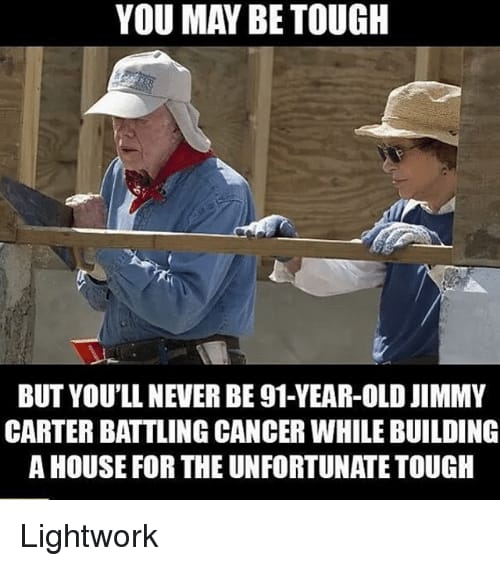

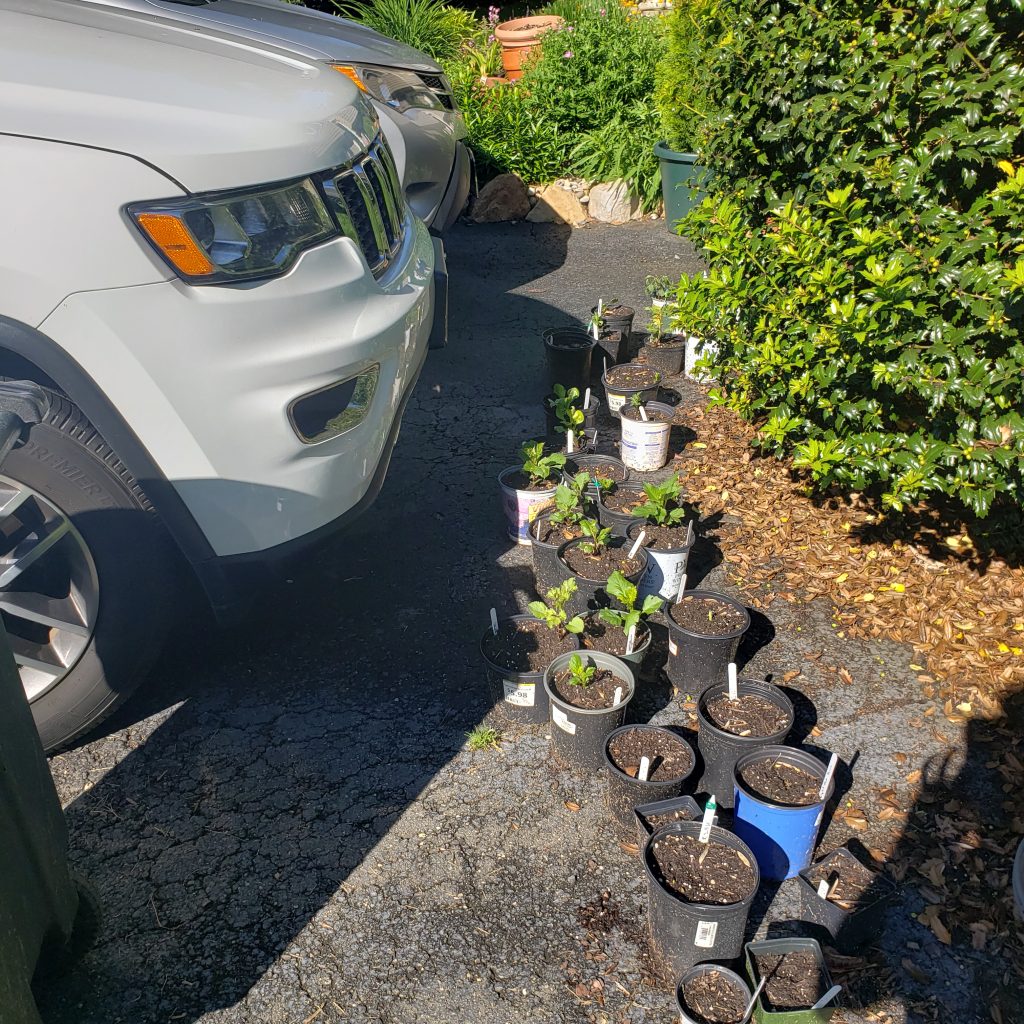

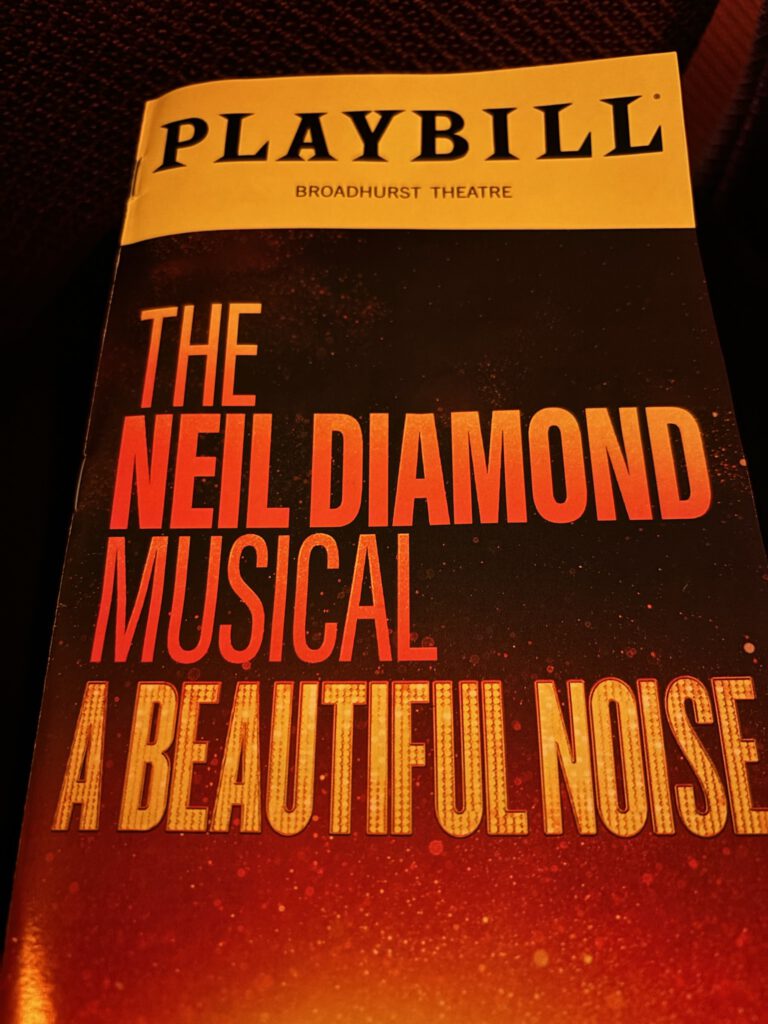
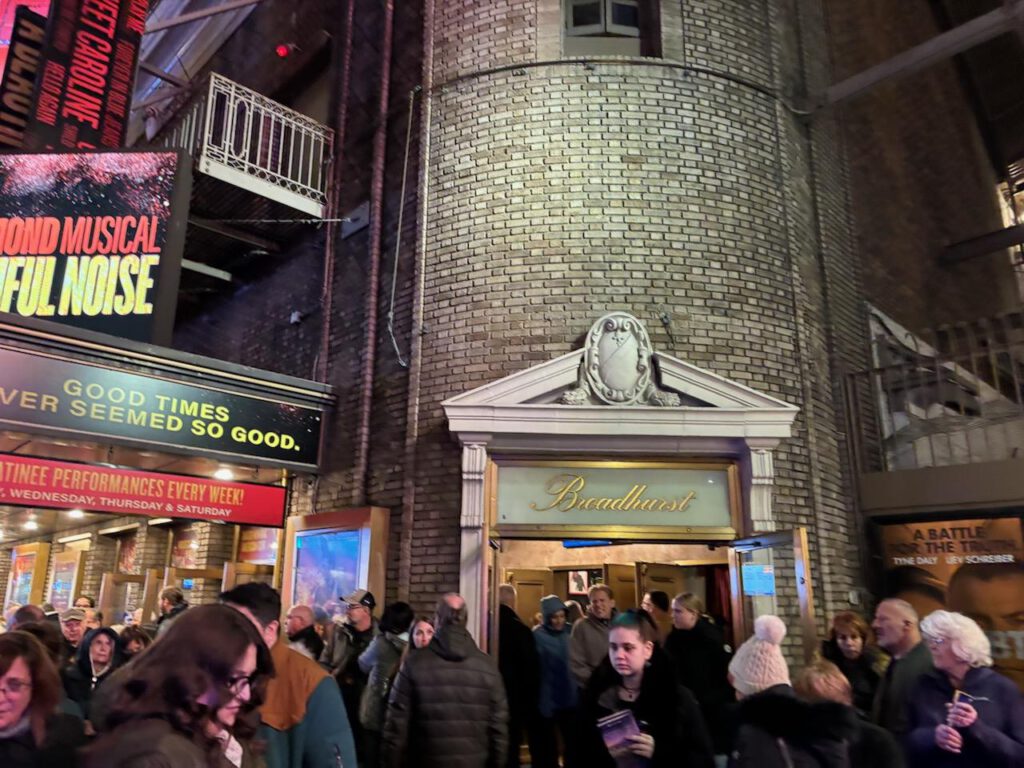

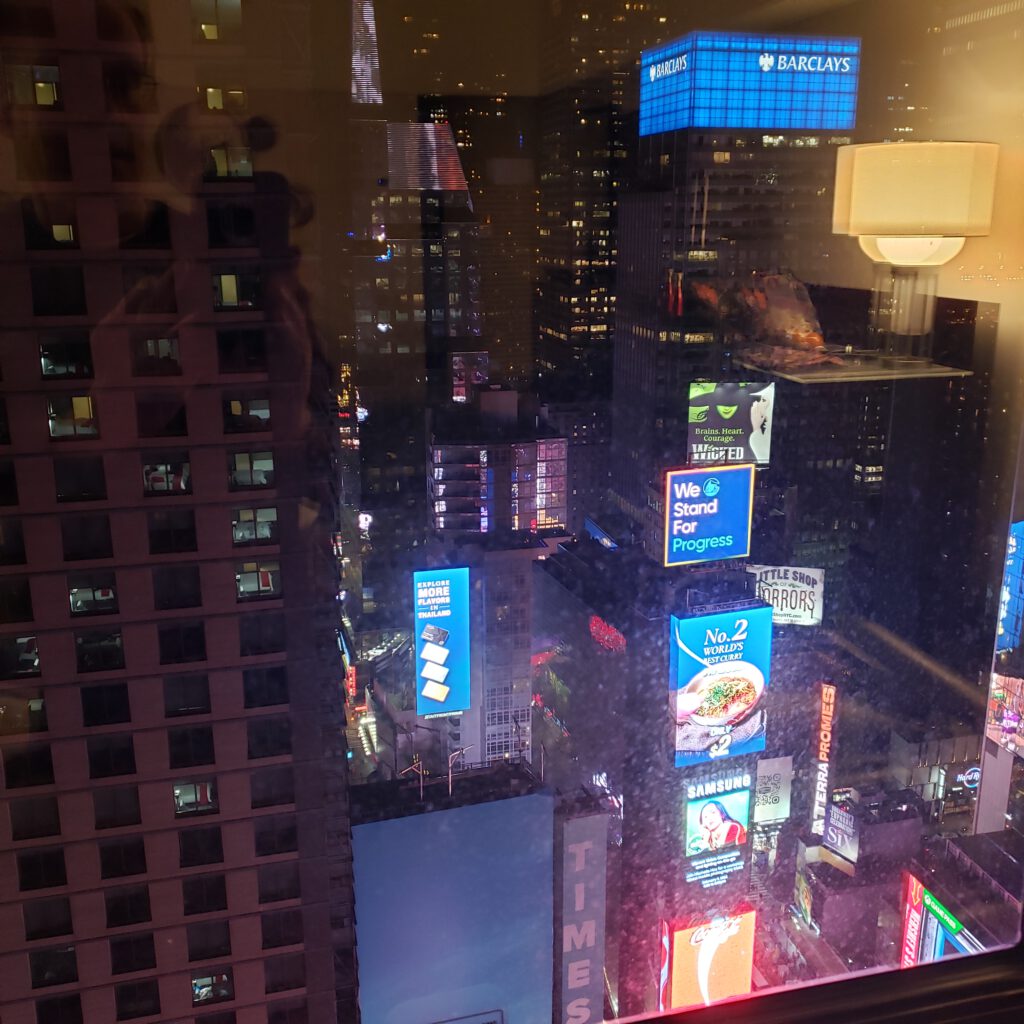
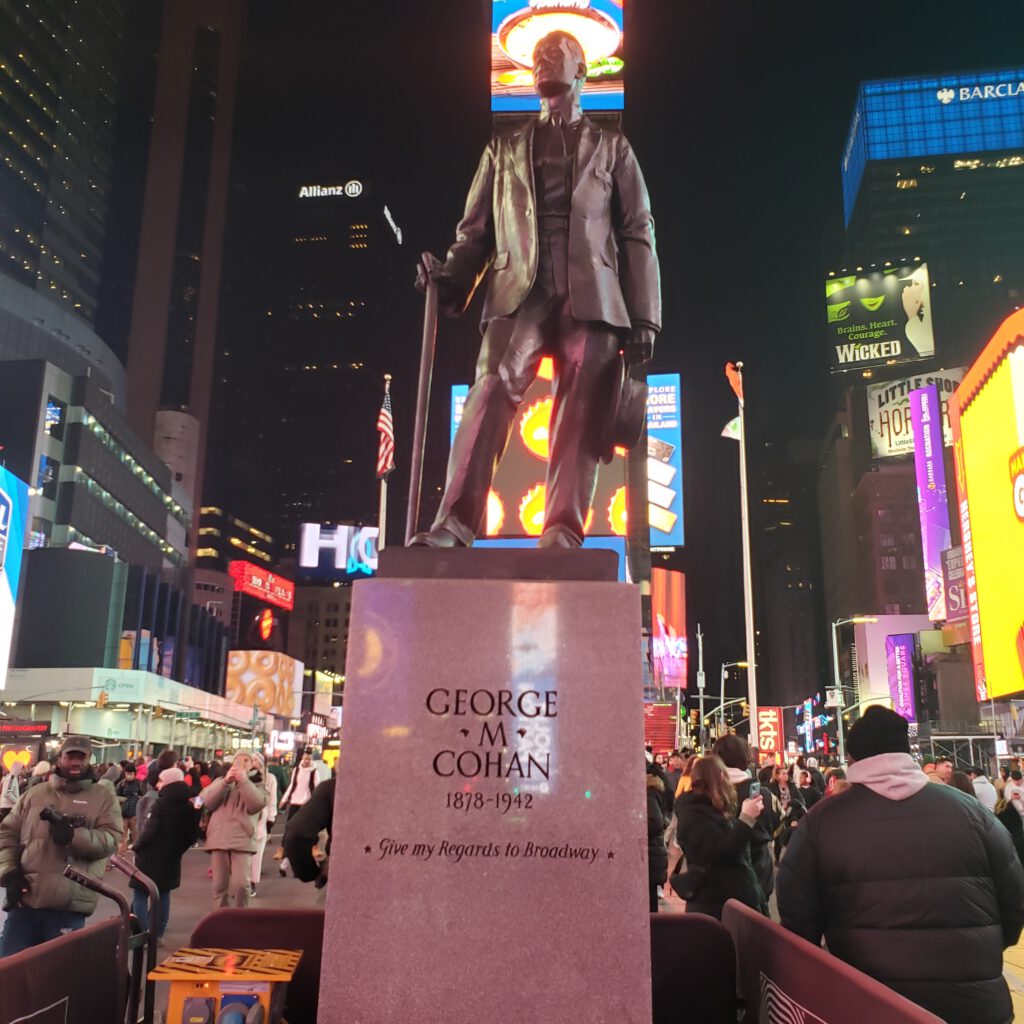
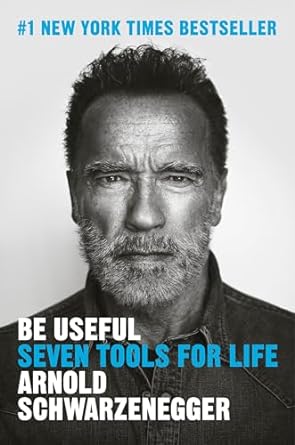

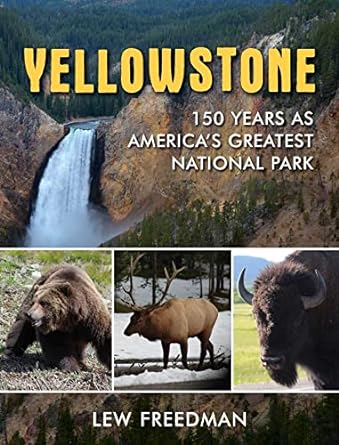



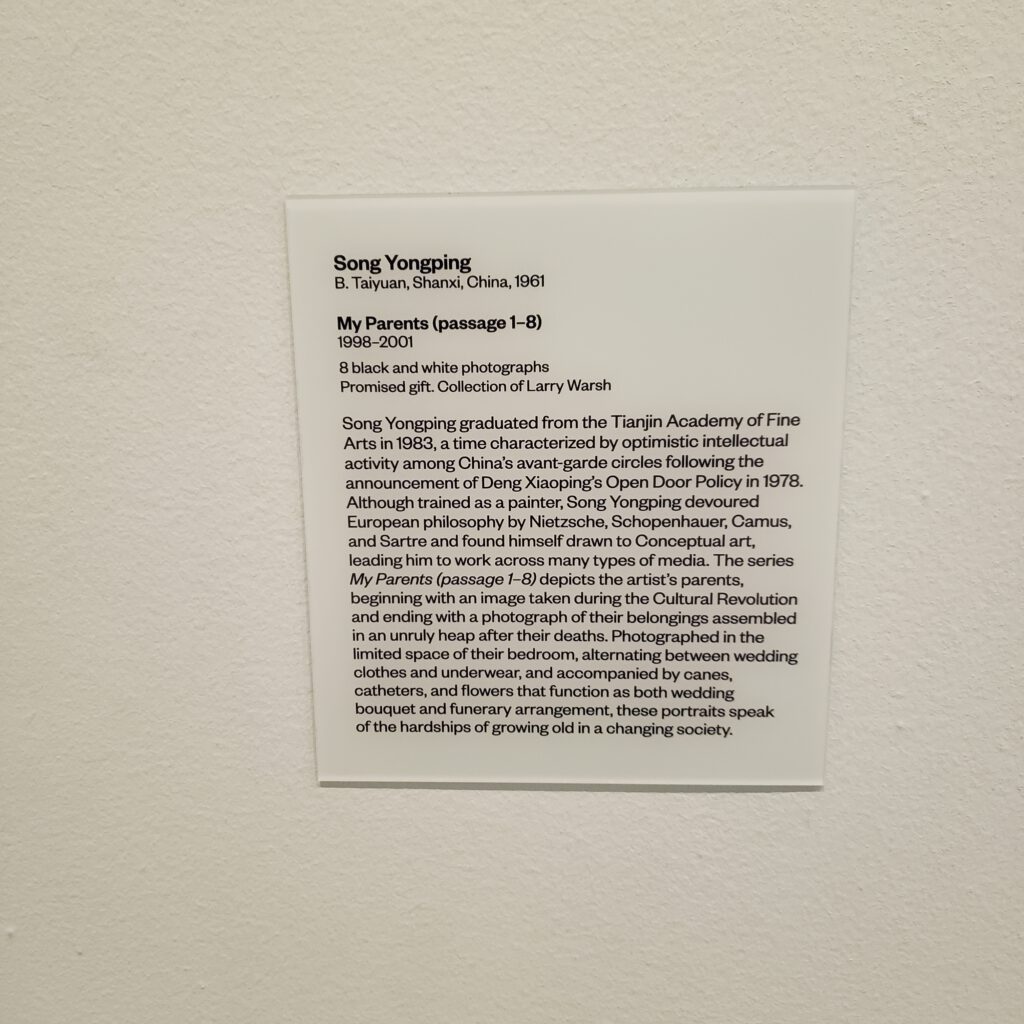
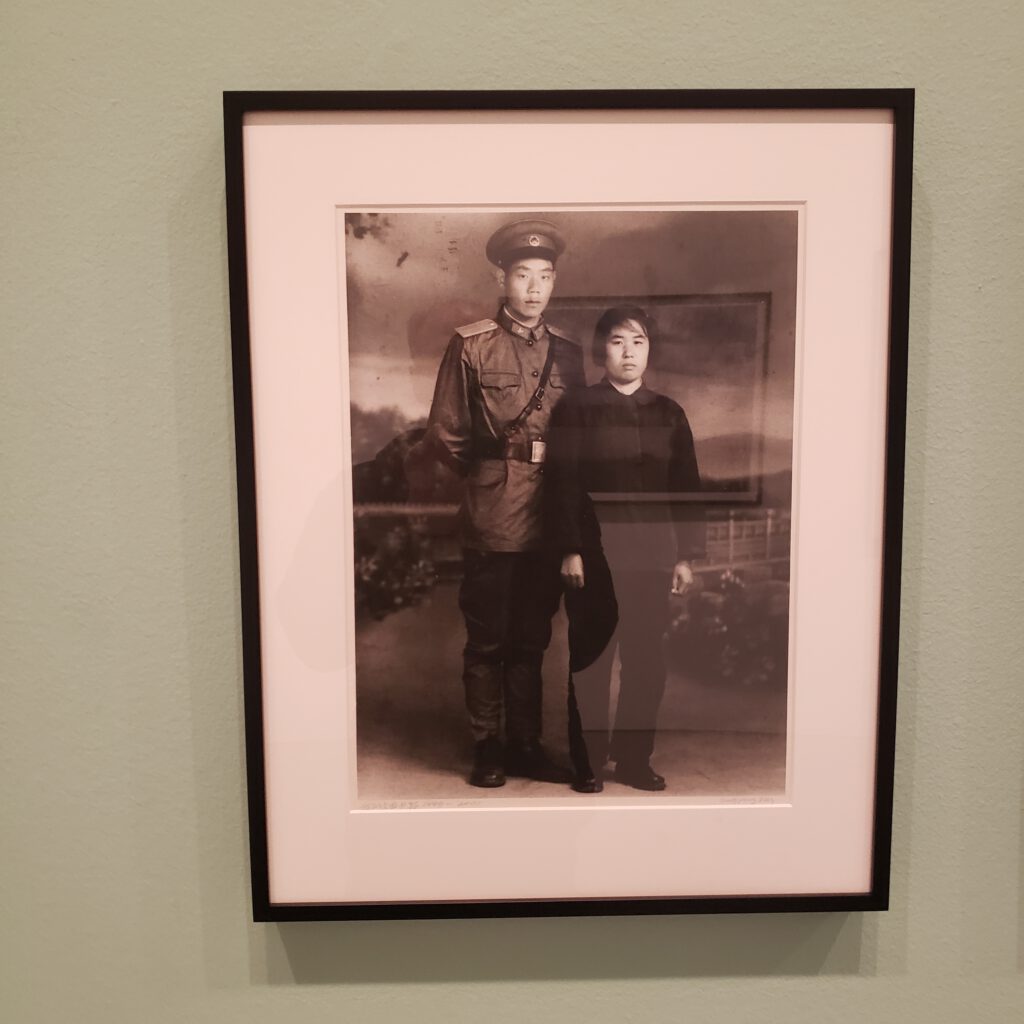
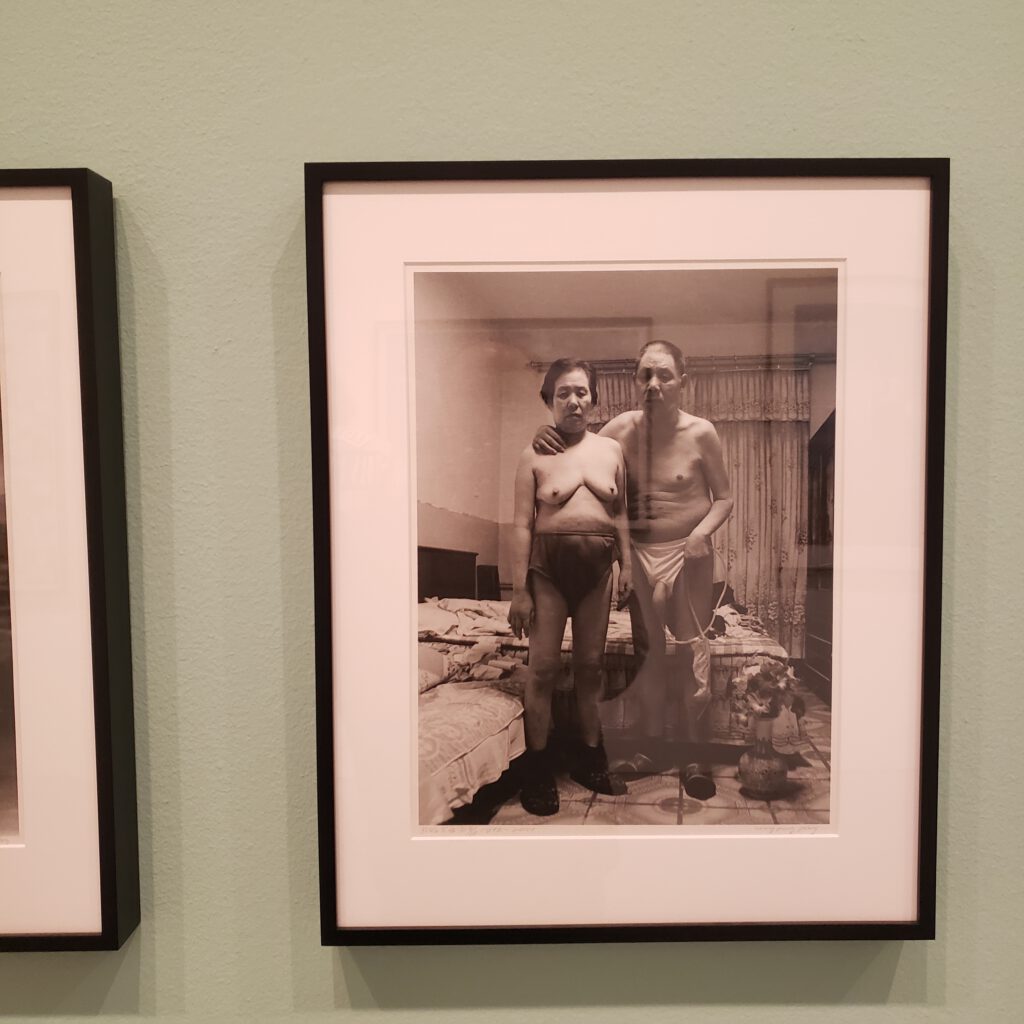
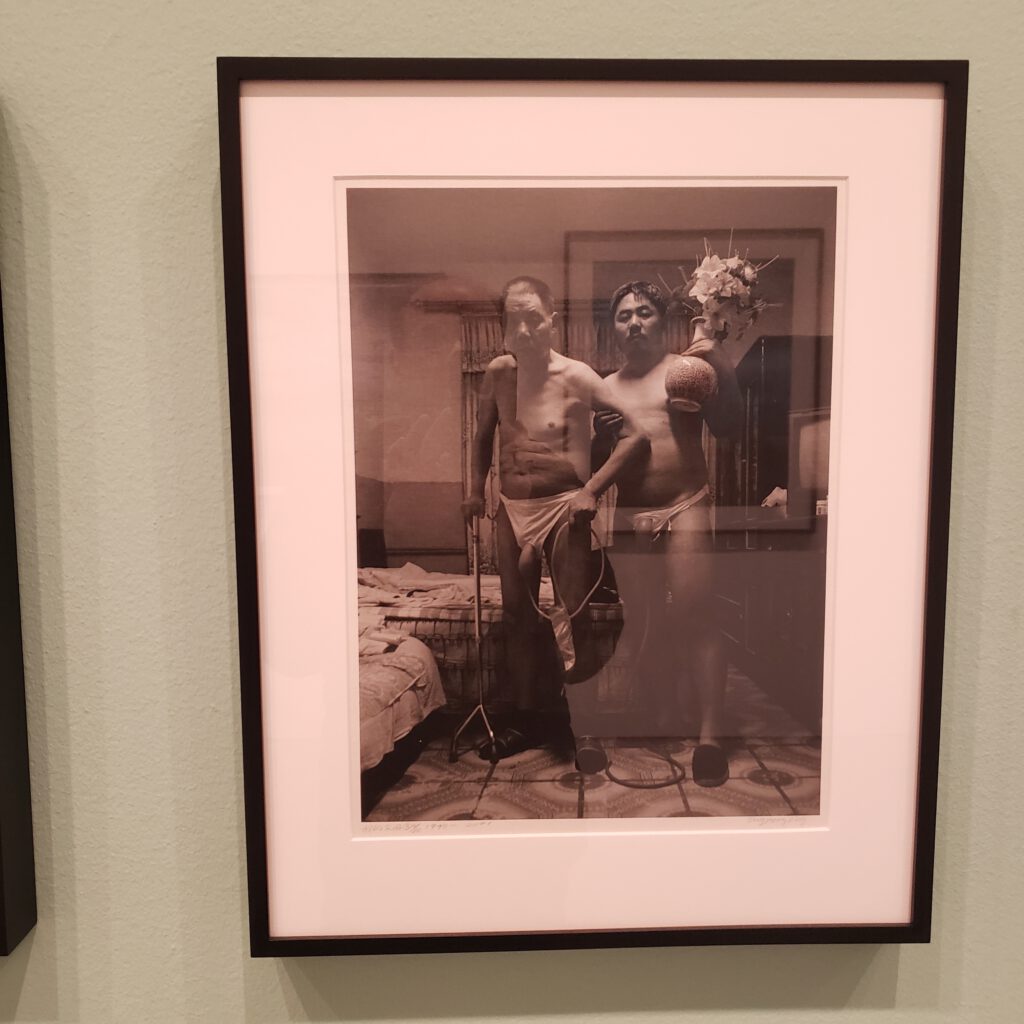
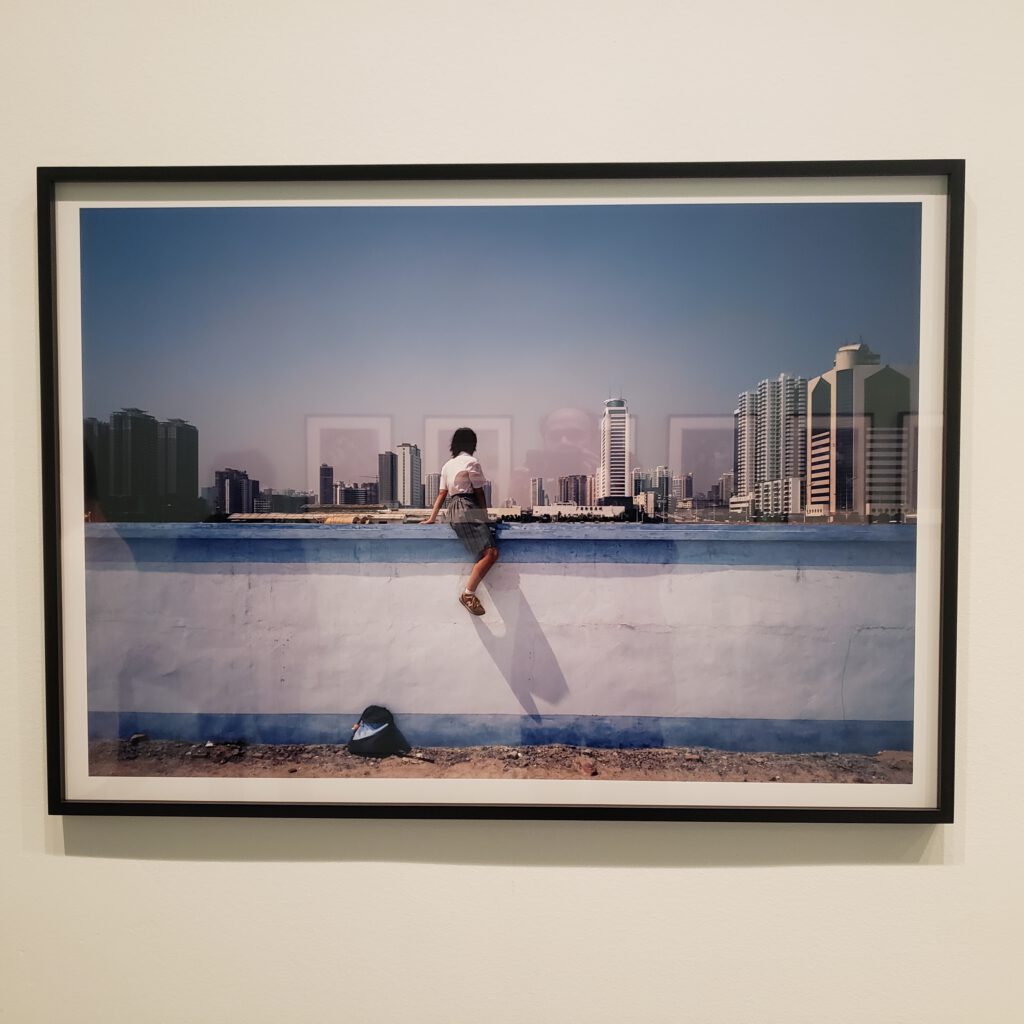
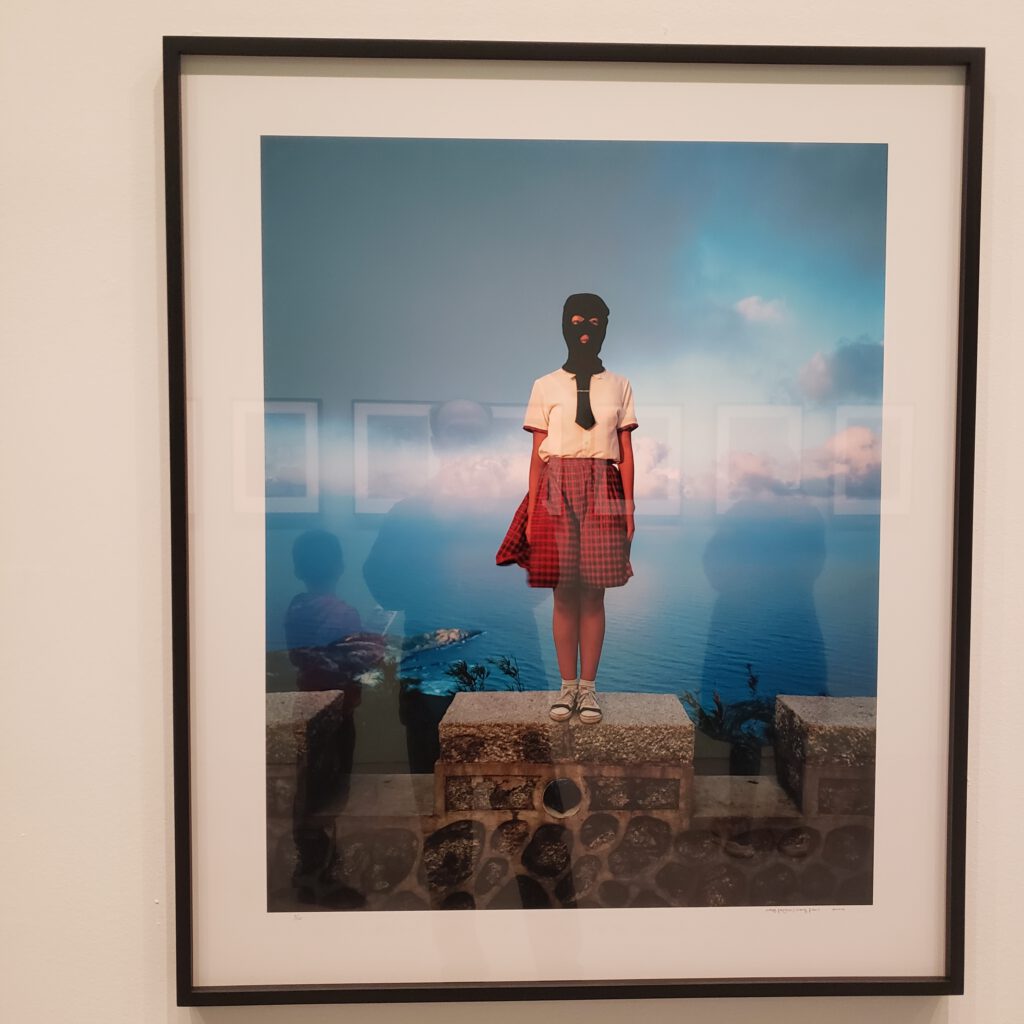


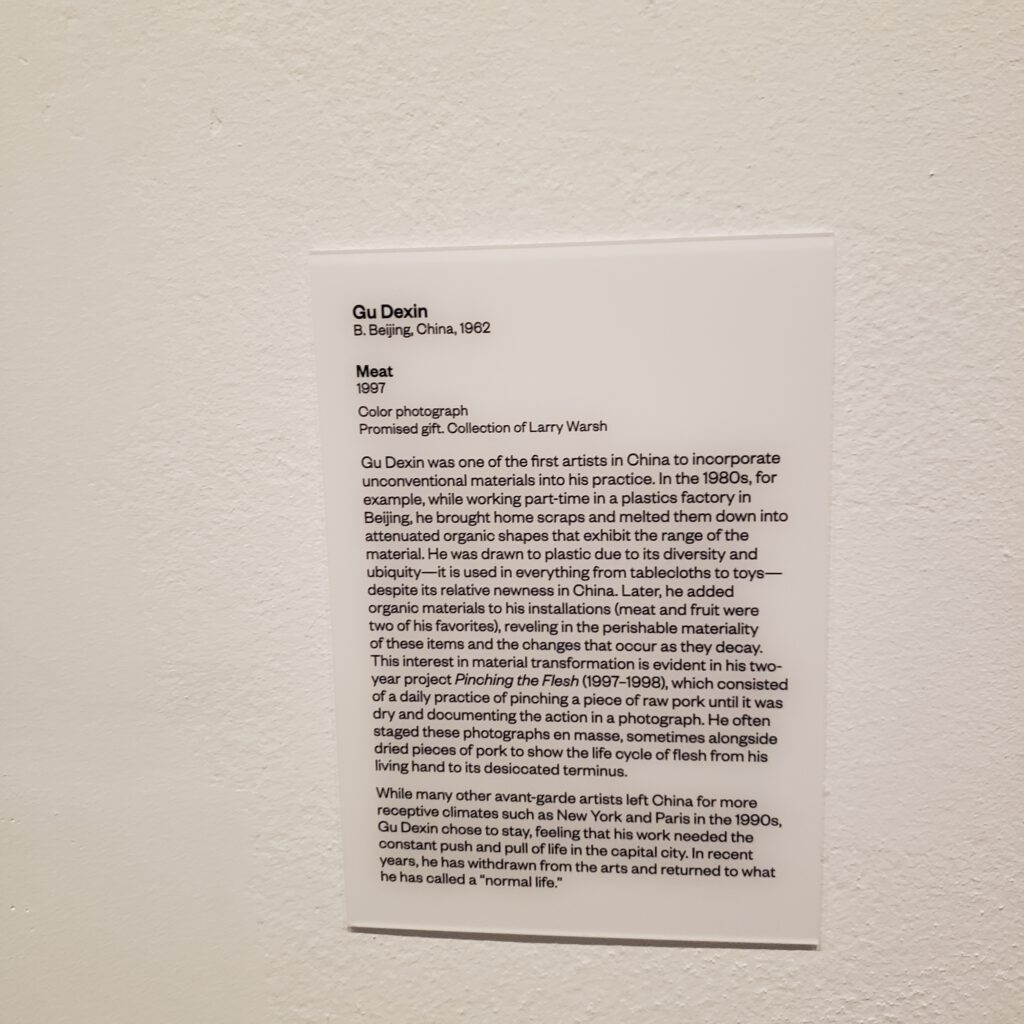
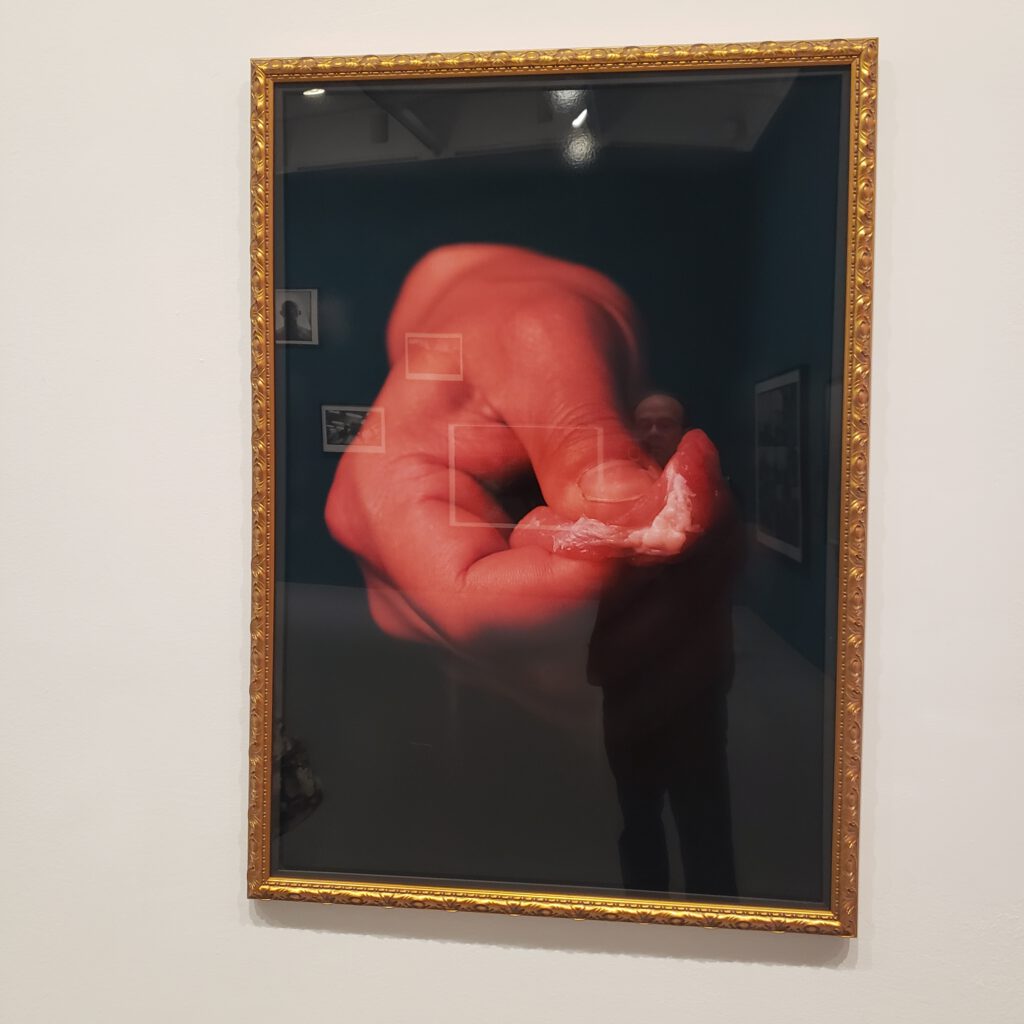
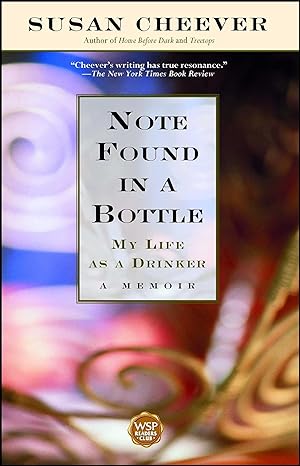
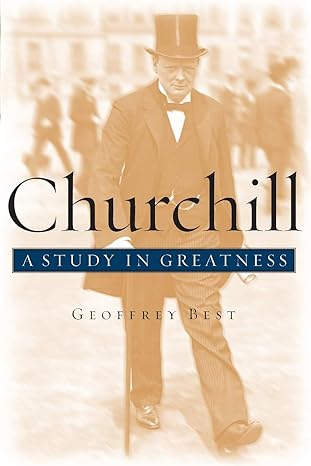
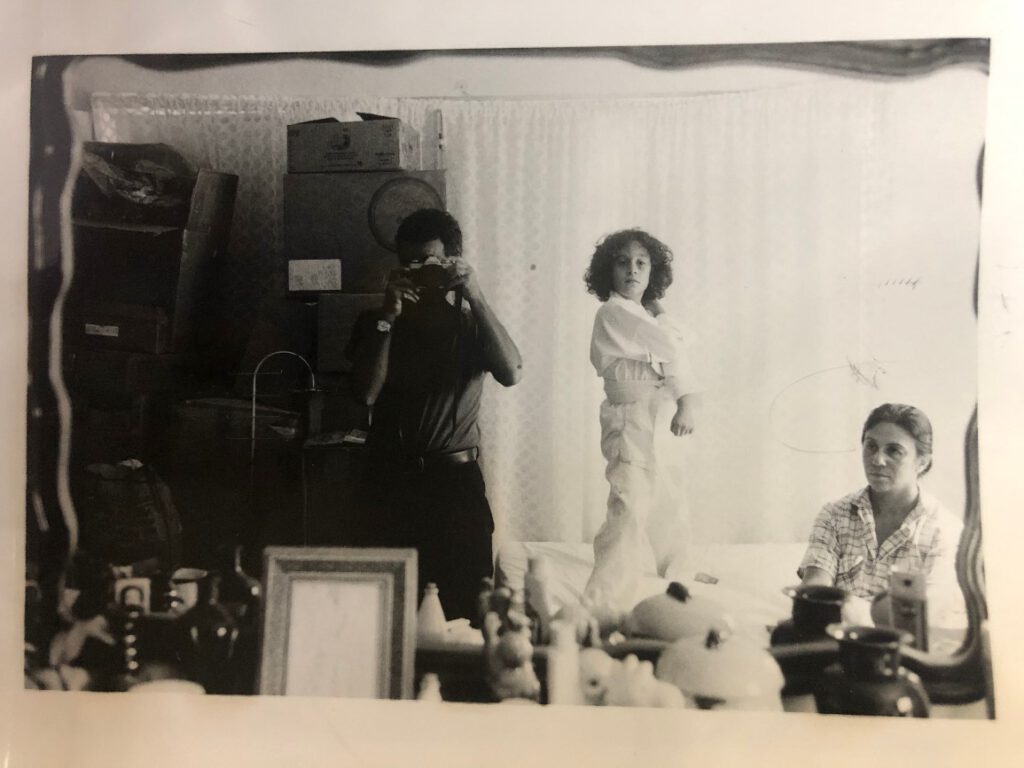


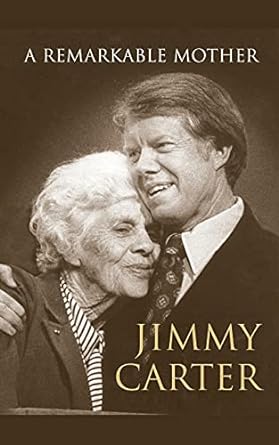


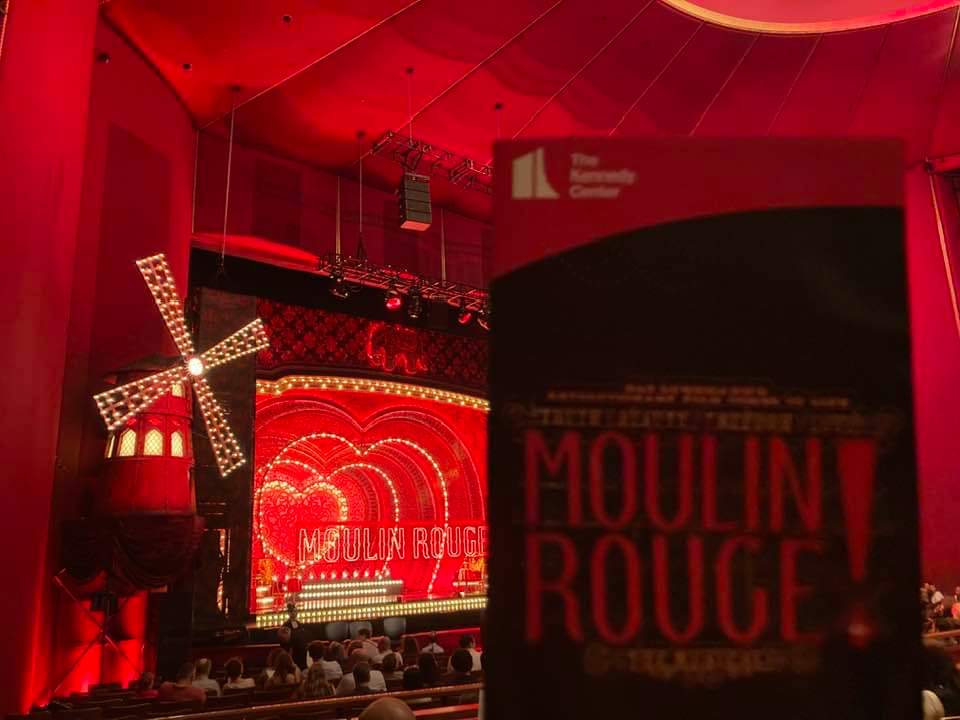
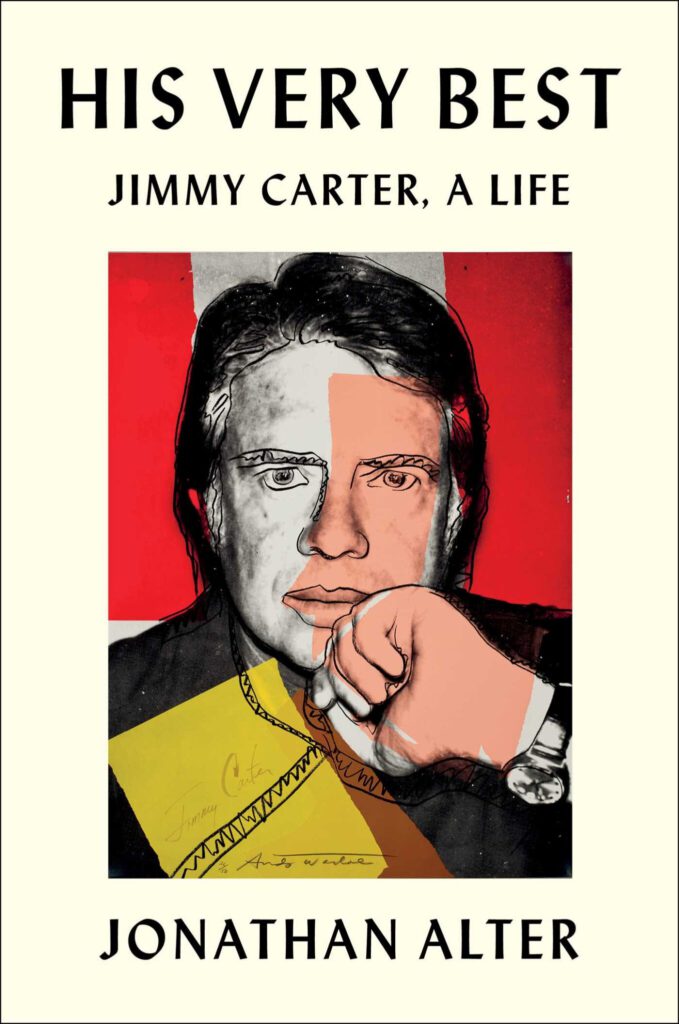
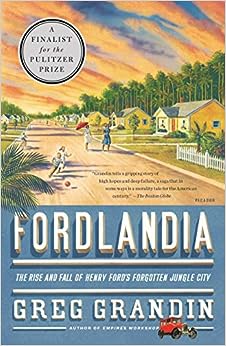
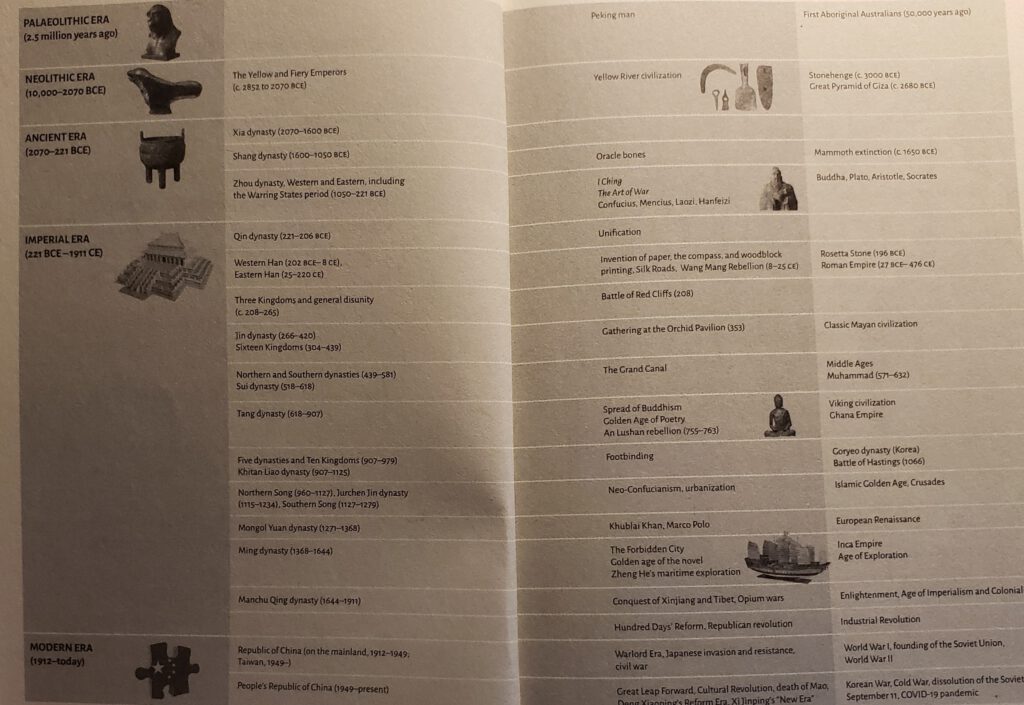



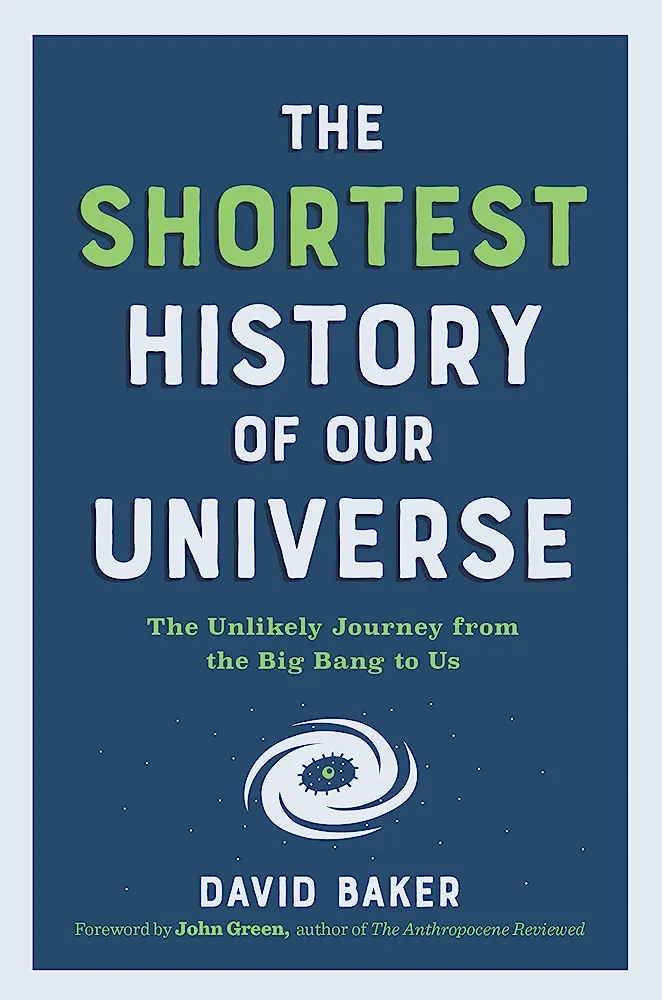


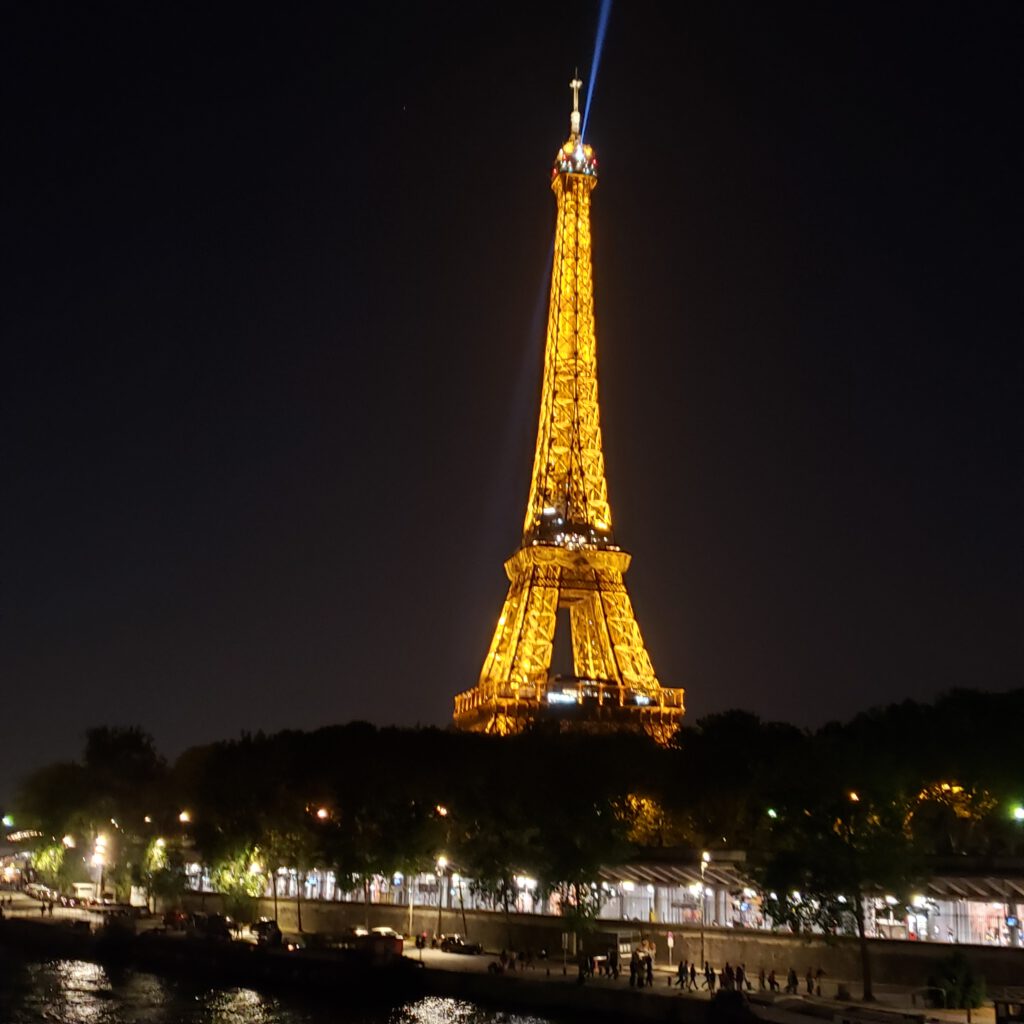



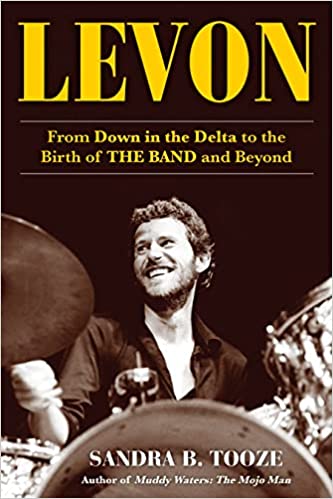


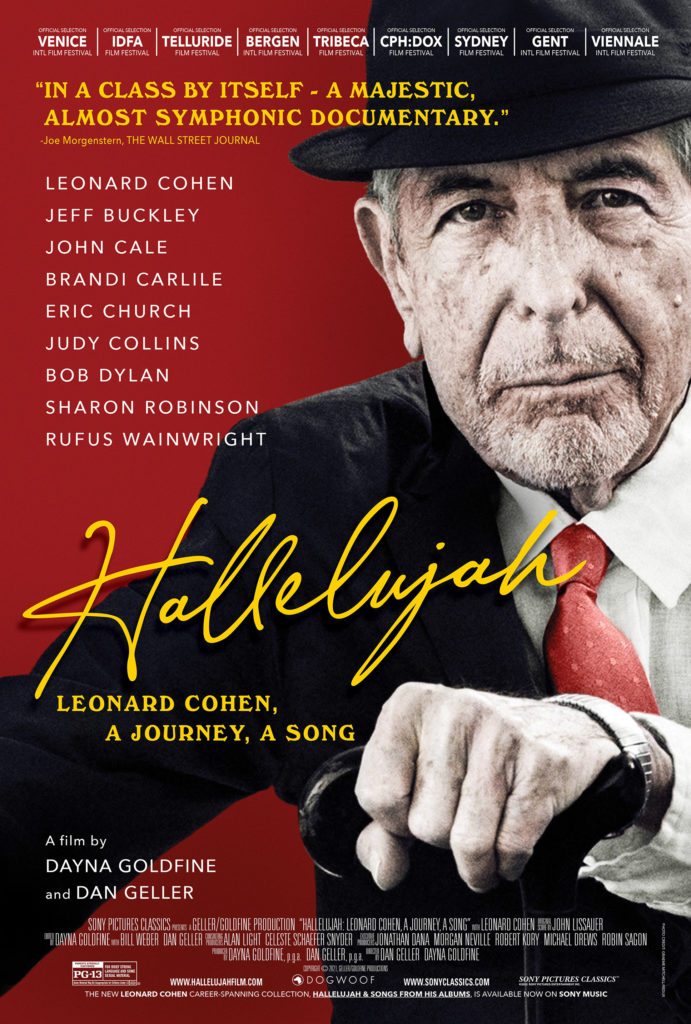



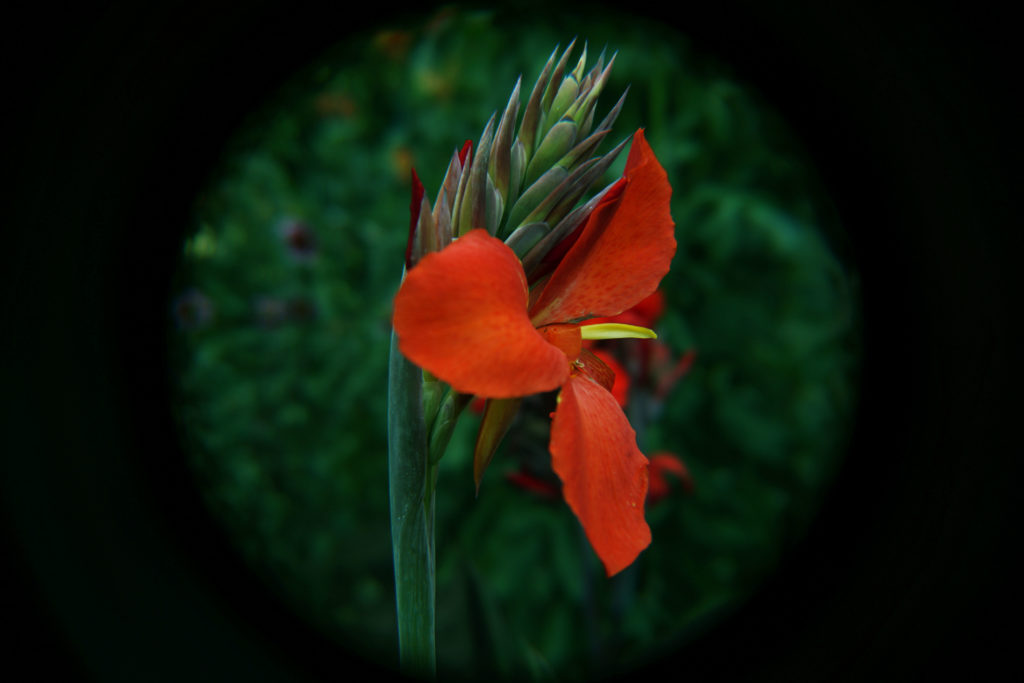

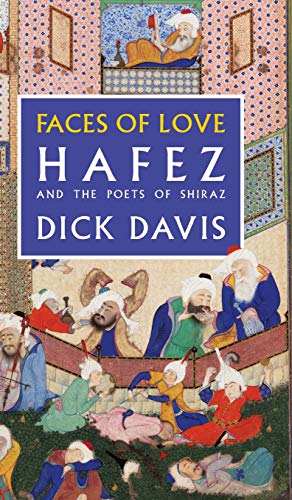

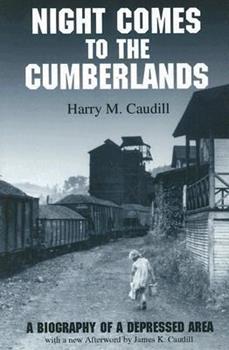


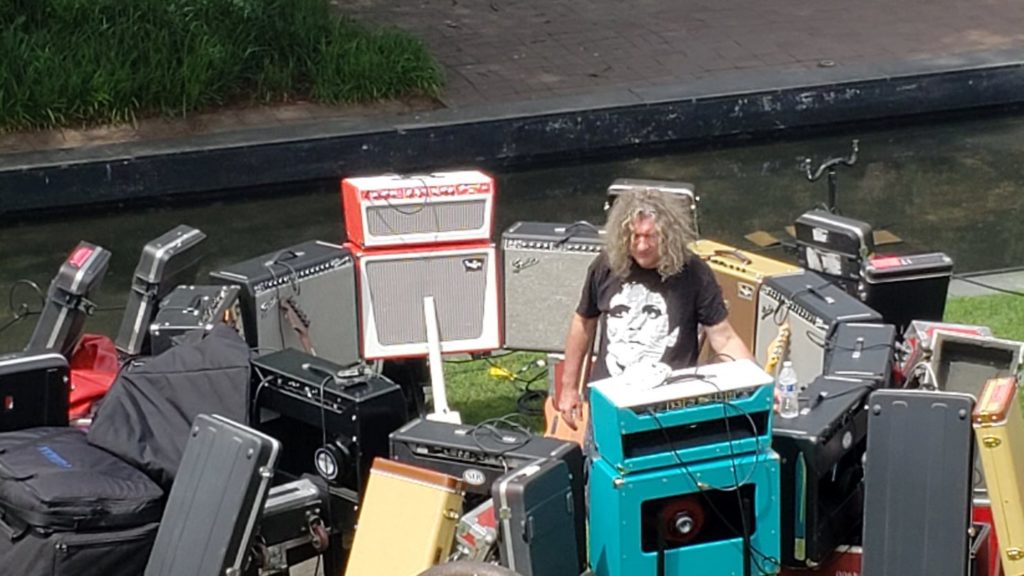
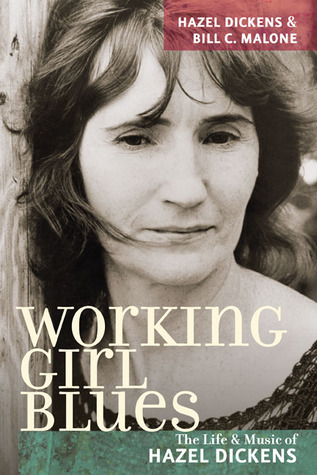


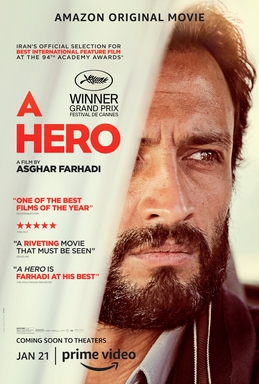
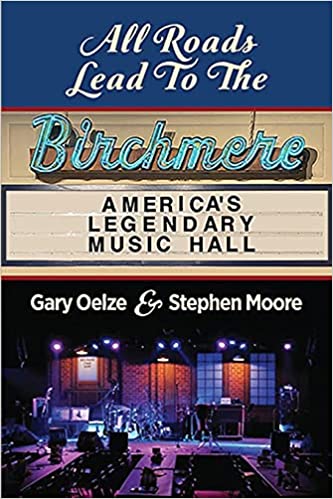

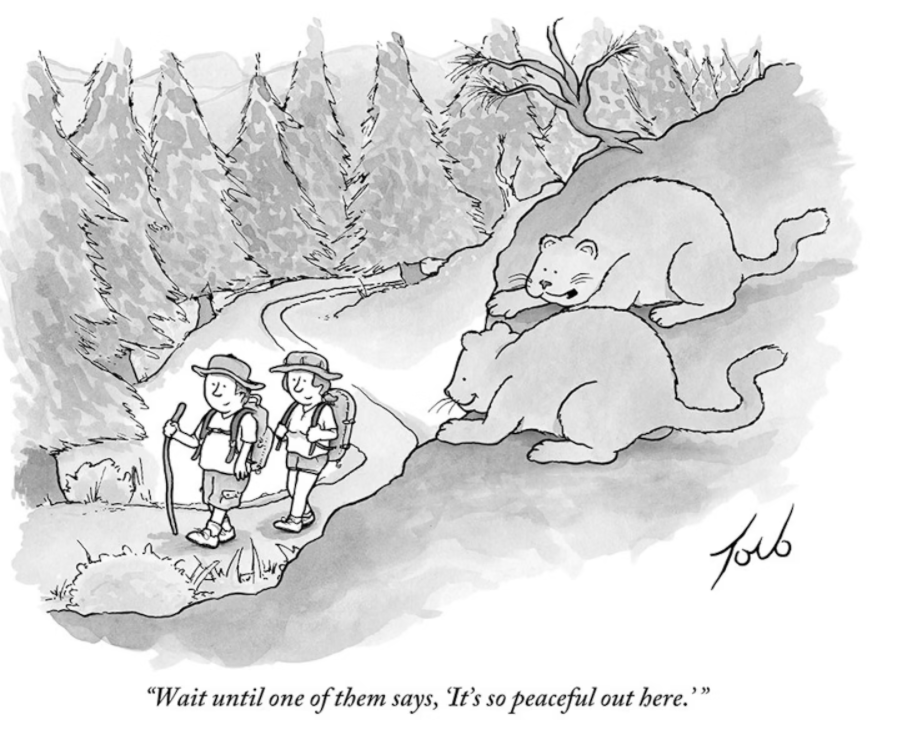


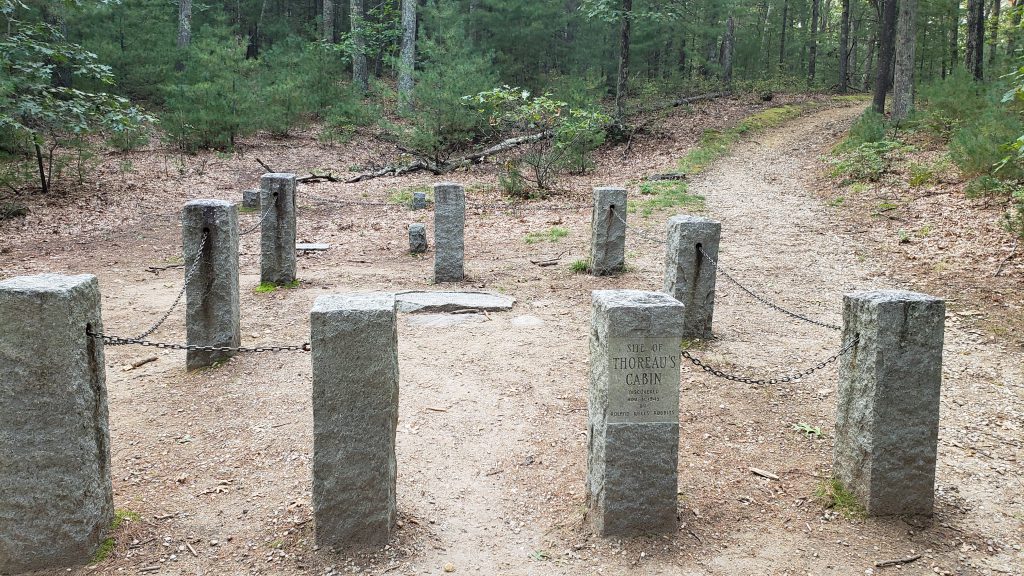
















![[photoshop:Headline]. [photopress:stringOfKeywords].](http://www.billsteve.us/wp-content/uploads/2021/01/the_greater_journey.jpg)
![[photoshop:Headline]. [photopress:stringOfKeywords].](http://www.billsteve.us/wp-content/uploads/2020/12/mays.jpg)
![[photoshop:Headline]. [photopress:stringOfKeywords].](http://www.billsteve.us/wp-content/uploads/2020/12/biden2-664x1024.jpg)
![[photoshop:Headline]. [photopress:stringOfKeywords].](http://www.billsteve.us/wp-content/uploads/2020/12/biden.jpg)
![[photoshop:Headline]. [photopress:stringOfKeywords].](http://www.billsteve.us/wp-content/uploads/2020/11/41TIUPpTp8L._AC_.jpg)
![[photoshop:Headline]. [photopress:stringOfKeywords].](http://www.billsteve.us/wp-content/uploads/2020/11/51p67dWgWSL.jpg)
![[photoshop:Headline]. [photopress:stringOfKeywords].](http://www.billsteve.us/wp-content/uploads/2020/10/3488337.jpg)
![[photoshop:Headline]. [photopress:stringOfKeywords].](http://www.billsteve.us/wp-content/uploads/2020/10/244616.jpg)




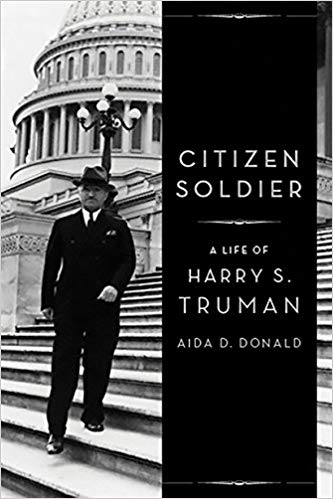
 Fun little book about Harry and Bess’ drive from from Independence, Missouri to D.C. after his presidency was over. Back in the day a president didn’t get a pension, secret service, or anything. Truman was basically just another guy, albeit another guy that was a president. He wanted to take a cross-country trip as just another guy, but of course it didn’t workout quite that way. Author made the story interesting, weaving a bit of history, Truman’s backstory, his own story, and geography into the narrative.
 Autobiograph of Steve Forbert, on of my favorite lesser-known singer songwriters. Steve Forbert fans should read this book. Lots of great background information on his recordings.


 Pretty interesting. Original idea to break the philosopher’s work down into maxims on how to live a life. I felt it got bogged down a lot towards the end, then picked up again at the very end.
 Saw this film last night. Two thumbs up. Nothing terribly original, but entertaining and informative. Gary Oldman did a fantastic job as Churchill.
 Biography of John Fremont, intrepid explorer of the Western territories. Led several expeditions, discovered and documented the features of many new areas. Over 200 places are named after him. Senator (very briefly), military commander, territorial governor, anti-slavery advocate, author, presidential candidate. Habitually broke, poor businessman, wildly impetuous, cavalier sense of ethics.
 The title says it all really. Basic argument is that perseverance (i.e. “grit”) is the most important factor in “success”. I would debate that her measurement of success is too conventional. Based on my personal experience and child-raising experience, I think her idea is valid.
 William Taft was born in Cincinnati, to a upper-middle class family (his father was Attorney General under Ulysses Grant), attended Yale(finishing second in his class), then the Cincinnati Law School.
 While Dale Carnegie’s most famous and enduring book is How to Win Friends and Influence People ( check out this
  Biography of John Burroughs. Few have heard of him now, but Burroughs was once very well-known. “For several decades he may have been the most popular writer of any kind in the country — when he and President Theodore Roosevelt traveled across the U.S. by train in 1903, observers said the writer often drew more admirers at their whistle stops than the politician, soon to be returned to the White House.” His fame was deserved; his work is worth checking out.
 Born in Ohio (like Grant, Garfield, Hayes, Benjamin Harrison,Taft, and Harding) 1843.
 Born in 1837. Grew up in New York state. Father was a minister. Father’s death prevented his attending college. With helped of his well-off uncle, he joined a law firm in Buffalo, and eventually passed the bar.
 Directed by Sean Baker, who also did The Prince of Broadway and Take Out, but of which were ultra-low budget movies that I really liked.
 Born in Vermont. Raised in New York. Mediocre student. Strong antislavery beliefs. Became a lawyer.
 Biography about Joey Gallo, mobster from NYC. Subject of the Dylan/Levy song, “Joey”. Levy actually new Gallo personally, back in the sixties when “mobster chic” was popular among the rich white privileged types. Morons.
 Father died before he was born. Raised in Delaware. His mother’s brother played a major role in his life.
 All I can say is: “Wow”. Book details many incredibly deceitful and often illegal activities of this horrible individual. Two of Trump’s guiding principles: revenge and attack. All you need to know about him.
 A real page-turner. Grant was an interesting man, during an interesting time. Book makes him out to be a pretty extraordinary guy: uninterested in ceremony and affect, but keenly interested in getting whatever the job was complete.
 Didn’t take notes on this book (!)Johnson was a fool. Took over from Lincoln, tried to back the South in a foolishly strong-armed manner. Made a lot of enemies, most notably
  Got decent reviews in both the Washington Post and the New Yorker. Not from me. Yuck.
 Nice little movie, based on a true story. Plot: comedian from traditional Indian family meets white (very) girl. They fall in love, she becomes seriously ill, he realizes he’s an idiot, they get married. Lot of funny culture-wars type humor. Light weight, but very charming. Maybe fifteen minutes too long.
  Short interesting history of France. Read for our trip…
  Buchanan was from Pennsylvania, at the time the second most populous state in the country. He came from a relatively well-off family, and was able to attend college, Dickinson. As most future politicians at the time did, he study law after college. He served in Congress, and held many posts for various administrations, most notably as Polk’s Secretary of State.
 An autobiography of a guy from a poor, sometimes violent, very dysfunctional Appalachian family. Spent his childhood in the backwoods of Kentucky, and his teen years the Ohio Rust Belt. Joined the Marines after high school, which along with his grandparent’s guidance, helped set him on the right track. Went on to graduate from Ohio State and then Yale Law School.
 Pierce was the fourteen president of the United States. He was a Democratic from New Hampshire.
 A very sympathetic treatment of Fillmore. Book was too long, but I certainly learned a lot. Millard was (according to this book) a very principled man who put country over personal glory. Things didn’t work out exactly the way he wanted, but that’s not extraordinary.
  By the same director/writer as my favorite movie of last year, Manchester by the Sea.
 Best tech book I’ve ever read. Starts from the beginning, doesn’t skip steps. Admittedly, it does make it a chore to wade thru all the detail,some of which is already known. However, I’d rather be a little bored than totally baffled.
 Saw Hidden Figures yesterday.
  Good movie about the Catholic Church child abuse scandal. Centers around the investigation of the Boston Globe which to exposed the church. Watched it, ironically, on the day our esteemed president declared that “the press is the enemy of the American people”.


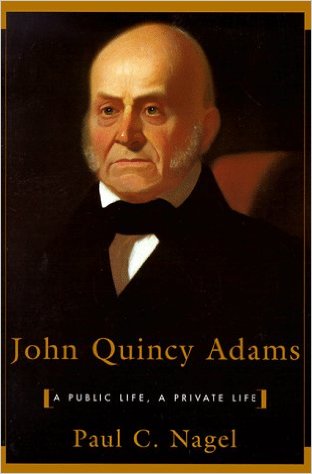
 As every schoolboy knows, reading classic works of literature is often a bore. Dirda suggests a large selections of works know as classics that are actually fun to read. I plan to a few, see how it goes. I tried “True History” by Lucian. Although it was interesting to find that a writer from the 2nd century had much the same sensibilities as a modern writer – sarcasm, wit, blasphemy, sex – I didn’t find it especially fun to read. I’ll keep trying.
 When Toyota was a small company, its goal was to sell inexpensive cars in Japan. Because it was small, it couldn’t use economies of scale to compete. Instead, they develop a series of techniques to eliminate waste and speed-up development time. These techniques eventually were called “Lean”, and later where incorporated in the Agile software development methodology.
 Finished this excellent biography of Benjamin Franklin. Franklin is a fascinating figure in American history. His rags-to-riches story is what I found most interesting about Franklin. Whereas the other founding fathers had at least some advantages from birth, Franklin did not. From nothing he became a prominent author, businessman, government official, diplomat, and scientist. Not to mention being essential to the forming of the Constitution.

 Book caught my eye at the library. Thought it would be cool to learn about Steampunk. I was wrong.
 Loved her book of essays, Partly Cloudy Patriot, but not so crazy about this one.
 The filmmakers try to determine the origins of the popular dish. Claims a Mr. Peng created it in Hunan, took it with him to Taiwan, then U.S. I’m skeptical, but who knows?
 Sometimes you read a book by an author and you make a real connection with his work. For example, I pretty much love everything Hunter Thompson wrote. I have nothing in common with him on a personal level. Love books but I don’t think I’d like to have spent time with him.
 Definitely one of my favorite movies. Intellectually lively, seriously funny, and insightful about relationships, and just life in general. I could watch it every year, even more.
 Alexander Hamilton in a few words: Amazing rags-to-riches story, from West Indies born orphan boy, to aide George Washington, a lawyer, and perhaps the greatest Federalist of all. Weird ideas about the Constitution, a generally negative opinion of the abilities of the common man, but undoubtedly correct about the need for a strong federal government, banking system, standing army.